

Moisture Mischief and Wooden Floors: What Your Boards Are Trying to Tell You
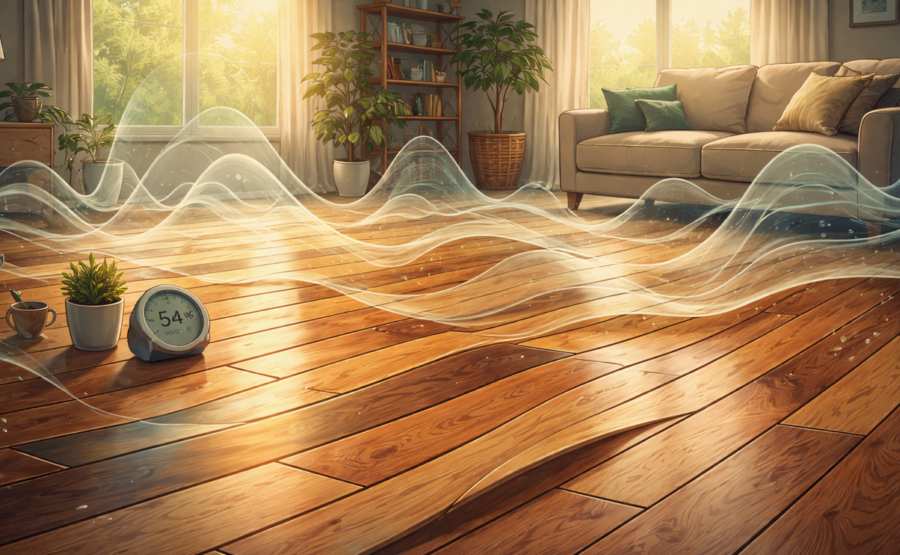 Wood floors have a strange social life. They never speak, yet they react dramatically to the weather, indoor air, and human habits. One week they lie flat and well-behaved, the next they begin to creak, cup, or develop gaps that look suspiciously intentional. None of this is random. Moisture is quietly calling the shots, and wood responds with the enthusiasm of a sponge that never forgot its past life as a tree.
Unlike tile or vinyl, wood remains hygroscopic forever. That means it continuously absorbs and releases moisture from the surrounding air. Even after milling, finishing, and installation, wood keeps negotiating with humidity levels like an unpaid intern trying to impress multiple bosses at once. This ongoing exchange is what determines whether floors stay stable or slowly drift into chaos.
Why Wood Never Stops Breathing
Wood cells are structured to move water. When humidity rises, moisture enters those cells and they expand. When humidity drops, moisture leaves and the cells contract. This movement happens across the width and thickness of boards, not the length, which is why floors rarely grow longer but love to grow wider when conditions allow.This expansion and contraction is natural, expected, and manageable within certain limits. Trouble starts when swings happen too quickly or too often. Rapid changes stress joints, finishes, and fasteners. Over time, this stress shows up as cupping, crowning, splitting, or finish failure. None of these outcomes are decorative features, despite how confidently they may present themselves.
Seasonal Humidity and the Illusion of Permanence
Temperate and damp climates are especially good at confusing wood floors. Winter heating dries indoor air, pulling moisture out of boards and causing shrinkage. Summer humidity pushes moisture back in, leading to swelling. Floors are effectively asked to change outfits twice a year, except the outfit is nailed down.Gaps that appear in winter often vanish in summer. Cupping that shows up during humid months may flatten once conditions normalize. This can create a false sense of recovery, but repeated cycles still take a toll. Each seasonal swing weakens fibers slightly, like bending a paperclip back and forth while insisting everything is fine.
Finish Is Not a Force Field
Floor finishes slow moisture movement, but they do not block it completely. Even the toughest sealers allow water vapor exchange. The finish's real job is moderation, not prevention. When humidity stays within a healthy range, finishes perform beautifully. When humidity goes rogue, finishes become unwilling witnesses rather than protectors.Excess moisture can cause finishes to cloud, peel, or wear unevenly. Low humidity can lead to cracking along seams where boards pull apart. Both scenarios shorten the lifespan of the finish and accelerate the need for repairs or refinishing. The floor is not misbehaving. It is simply reporting conditions honestly.
Measuring Moisture Without Guesswork
Managing humidity starts with knowing what is actually happening indoors. Relying on how the air feels is unreliable, as humans are famously bad at judging invisible gases. A hygrometer removes the mystery and replaces it with numbers that do not care about opinions.- Ideal indoor relative humidity for wood floors generally falls between 40% and 60%
- Consistent readings matter more than brief spikes
- Multiple rooms may require multiple measurements
Managing Indoor Humidity Without Losing Your Mind
Controlling moisture does not require turning the house into a laboratory. Small, boring adjustments usually outperform dramatic interventions. Dehumidifiers help during damp months, especially in older homes where ventilation was designed for a different century. Humidifiers earn their keep in winter when heating systems turn indoor air into something reminiscent of long-distance flights.Consistency matters more than perfection. Wood tolerates being slightly outside the ideal range far better than it tolerates wild swings. Turning humidity control into a background habit rather than a seasonal panic reduces stress for both floors and occupants. Floors prefer stability. They are not thrill-seekers.
Ventilation also plays a quiet role. Kitchens, bathrooms, and utility rooms generate moisture faster than most people realize. Using extractor fans is less about politeness and more about preventing water vapor from migrating toward the nearest wooden surface and settling in like an uninvited guest who refuses to leave.
Furniture, Rugs, and the Accidental Microclimate
Heavy furniture and rugs can trap moisture against the floor, creating tiny environments with their own rules. This is why discoloration or uneven wear sometimes appears exactly where a rug has lived its best life for several years. Breathable rug pads help, as does occasionally moving furniture just enough to let the floor experience a change of scenery.Spills are not the main villain people assume them to be. Quick cleanup usually prevents damage. Long-term moisture exposure from poor airflow does far more harm than a dropped glass of water that gets wiped up immediately. Floors remember neglect more than accidents.
When Moisture Problems Are Structural, Not Seasonal
Some moisture issues come from below rather than the air above. Damp subfloors, inadequate vapor barriers, or leaks can overwhelm even well-managed indoor humidity. These problems often announce themselves through persistent cupping, musty smells, or boards that refuse to settle regardless of season.At this point, managing humidity alone becomes an exercise in optimism. Addressing the underlying moisture source is essential. Ignoring it only teaches the floor new and increasingly creative ways to complain.
Moisture Happens Deal With It
Wood floors are not fragile, but they are honest. They respond directly to their environment, without filters or excuses. When humidity is balanced, floors stay calm, flat, and cooperative. When moisture runs wild, they document the situation in wood grain and geometry.Understanding this relationship removes much of the mystery and frustration. Floors are not unpredictable. They are simply telling the truth about the air they live in, one expansion joint at a time.
Article kindly provided by floorsanding.co.uk
Latest Articles
- Why Unoccupied Properties Can Deteriorate Faster Than Occupied Ones
- Could That Beautiful Tree Be Quietly Damaging Your House?
- What Scotland's Relentless Rain Can Reveal About Your Home's Plumbing
- Window Privacy: Why Being Invisible During the Day Doesn't Mean You're Invisible at Night
- Why Plumbing Problems Behave Differently in Older Tenement Buildings
- Is Your Bed Frame Making Your Mattress Work Harder?
- Before You Hire a Handyman, Photograph the Problem Properly
- The Repair That Reveals Three More Repairs: How to Handle Scope Creep Calmly
- The 'While You're Here' List: Small Jobs That Are Worth Grouping Together
- The Previous Owner's Strange Decisions and How a Handyman Unpicks Them
- The Guest Test for Small Home Repairs
- How Long Should a Dishwasher Last, and When Is Repair the Better Choice?
- Why Is My Washing Machine Shaking So Much?
- The Weight Test: What Your Wall Can Really Hold
- Why a Door That Still Locks Can Still Be a Security Problem
- The One-Hour Home Audit: Small Defects That Quietly Become Expensive Repairs
- Can a House Be Too Well Insulated? Understanding the Other Half of Low-Energy Design
- Your Roof Needs to Breathe Too: The Link Between Ventilation, Condensation and Hidden Timber Damage
- Why Your Boiler Behaves Perfectly Until the Weather Turns Cold
- Why Roof Age Is Only Part of the Picture
- Interior Design
- Home Improvement
- Gardening
- Home Organization
- Home Maintenance
- DIY Crafts
- Kitchen and Dining
- Bathroom Design
- Home Security
- Home Automation
- Green Living
- Home Office
- Home Decor
- Garden Design
- Pet Care
- Home Technology
- Landscaping
- Home Energy Efficiency
- Home Cleaning
- Home Safety
- Home Exterior
- Home Insulation
- Home Buying
- Home Selling
- Renting
- Tradespeople
- Garage
- Bedroom
- Painting and Decorating
- Plumbing and Drainage