

Why Your Front Door Fails Before the Lock Does
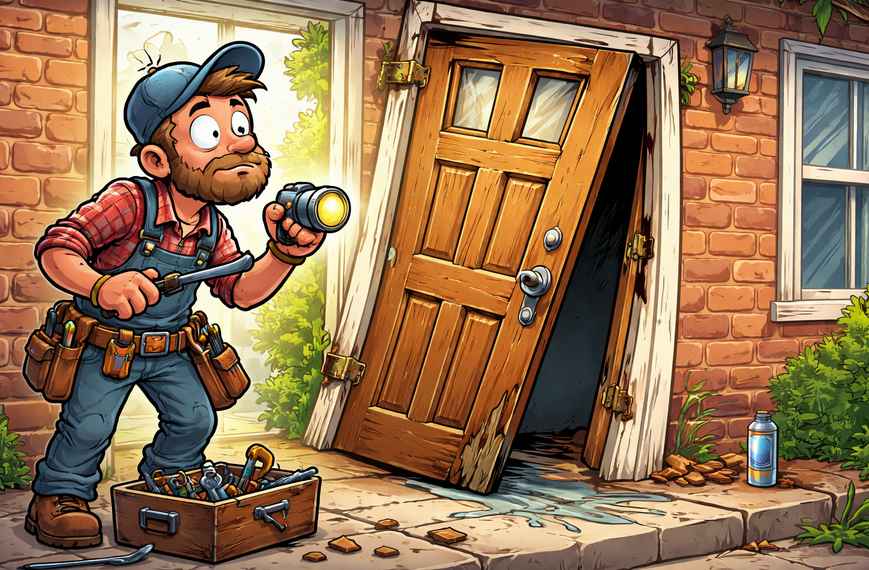 A front door can look sturdy, feel heavy, and still be one stubborn gust away from behaving like a shopping trolley with a wonky wheel. When security problems show up, the lock often gets blamed first. But more often, it's the door system around it—hinges, frame, alignment, and weather wear—that quietly causes the trouble. The lock is just the part that gets yelled at.
 If the door doesn't sit correctly in its frame, the best lock in the world can't do its job smoothly. Misalignment creates pressure points, scrapes, and gaps that reduce security and increase the chances of a lockout at exactly the worst moment: arms full of groceries, rain arriving sideways, dignity already leaving.
Hinges the unsung heroes with a very loud squeak
Hinges carry the whole door's weight every time it opens, closes, slams, or gets nudged by the dog who's convinced the postman is a national threat. Over time, hinges loosen, screws back out, and the door starts to sag. When that happens, the latch may hit the strike plate too high or too low, forcing you to lift, shove, or shoulder-check the door into place.A sagging door also changes the pressure on the lock case and latch. That extra friction doesn't just feel annoying; it accelerates wear and can eventually stop the latch from fully engaging. A latch that doesn't seat properly is a security issue, even if the cylinder spins like a dream.
Quick checks and fixes:
- Open the door halfway and gently lift the handle side. Notice movement? Hinges or screws may be loose.
- Look for shiny rub marks on the hinge side or the top edge—those are "helpful" clues left by friction.
- Tighten hinge screws with a hand screwdriver (power drivers can strip the holes fast).
- If screws keep loosening, replace short screws with longer ones that bite into the wall stud behind the frame.
Frames that shift when nobody's watching
Door frames aren't perfectly static. Houses settle, timber dries, and temperature changes encourage tiny movements. Those tiny movements add up. A frame that twists even slightly can create gaps along the latch side or top corner, and suddenly the deadbolt has to "find" its hole every night like it forgot where it parked.This is where things get serious: frame movement can reduce how securely the door closes, leaving the latch partially engaged or the deadbolt rubbing instead of locking cleanly. That makes forced entry easier and increases lock wear. In many break-ins, attackers exploit weak frames and strike plates, not sophisticated lock failures.
Inspection tips:
- Close the door and check the gap around it. Uneven spacing can indicate a shifted frame.
- Look at the strike plate area. Cracks in the frame paint or slight splintering can signal stress.
- Try locking the deadbolt gently. If it only works when you pull or push the door, alignment is off.
Weather damage that turns wood into a moody diva
Doors and frames deal with moisture, heat, cold, and direct sunlight. Wood swells when damp and shrinks when dry. uPVC and composite doors can also expand and contract, though in different ways. Even a small change can affect alignment, causing sticking in summer or rattling gaps in winter.Water is especially sneaky. It seeps into edges, softens timber, and can cause the lower part of the door or frame to warp. Once warping starts, the door may twist so the latch and deadbolt don't line up consistently. One day it locks fine. The next day it takes two hands, one hip, and a whispered apology to make it cooperate.
Simple maintenance that prevents drama:
- Check exterior paint or finish for peeling, bubbling, or bare patches, especially along the bottom edge.
- Keep weather seals intact and replace them when they compress or tear.
- Ensure the threshold and drainage channels are clear so water doesn't pool.
- Use appropriate lubricant on moving parts of the latch and hinges (avoid soaking the cylinder with the wrong products).
Alignment problems that disguise themselves as lock issues
Many "bad lock" complaints are really alignment issues wearing a lock-shaped costume. If you have to lift the handle to lock up, if the key turns but feels gritty, or if the latch doesn't spring smoothly, the door may be dragging somewhere.A practical way to diagnose alignment is to use a bit of paper: close the door on a strip of paper at different points around the frame and pull. Where it slides out too easily, you may have a gap. Where it won't budge, you may have tight pressure. Both can cause security issues—gaps can be exploited, and tight spots can prevent full engagement of the latch.
Another clue is the strike plate. If you see fresh scratches inside it, the latch is hitting the metal instead of gliding into place. That's not just noisy; it's a warning sign that the mechanism is under unnecessary strain.
Simple home inspection routine that takes less time than making tea
You don't need specialist tools to catch most front door problems early. A short monthly check can prevent the slow creep toward jammed locks and awkward entry rituals. Walk through these steps with calm focus and minimal dramatic sighing.- Open and close the door slowly and listen. Grinding, scraping, or hollow knocking sounds usually mean friction or loose hardware.
- Watch the latch as it meets the strike plate. It should slide in cleanly without bouncing or sticking.
- Test the handle and deadbolt with the door open and closed. Smooth movement in both positions is the goal.
- Check hinge screws for looseness and tighten gently.
- Inspect the bottom edge of the door for swelling, soft spots, or peeling paint.
Small adjustments that make a big difference
Not every issue needs a full repair visit. Many alignment problems can be improved with careful adjustments. Slightly tightening or loosening hinge screws can raise or lower the door by small but meaningful amounts. In some cases, adjusting the strike plate position by a few millimetres allows the latch to seat properly again.Weather stripping is another quiet hero. When seals compress or tear, doors shift more easily and allow movement that affects alignment. Replacing worn seals can stabilize the door and reduce seasonal movement.
Lubrication also deserves attention, but moderation matters. Hinges benefit from light oil or silicone spray. Latches can use a dry lubricant to reduce friction without attracting dust. The key cylinder should only be treated with products designed for locks. Household oils can create sticky buildup that causes keys to bind and mechanisms to slow down.
These small actions don't just improve daily use. They extend the life of the hardware and reduce stress on the lock components that are expensive to replace.
When it's time to call for professional help
Some warning signs deserve serious attention. If the frame is visibly cracked, the door has significant warping, or the deadbolt no longer aligns even after basic adjustments, professional assessment is wise. Structural movement, rotting timber, or severe misalignment can't be solved with a screwdriver and optimism.Another red flag is repeated lock failure. If you've replaced or repaired a lock and the same issues return quickly, the underlying door system is likely the real problem. Ignoring that pattern is how minor misalignment turns into full hardware replacement later.
A trained technician can evaluate the entire door assembly, reinforce weak strike plates, realign frames, and ensure that the lock works with the door instead of fighting it every day.
Locked in logic not locked out
Front door security works best when the door, frame, hinges, and lock cooperate. Treating the lock as the only important part is like fixing a flat tire without checking the wheel alignment. Everything is connected.A well-aligned door closes easily, locks quietly, and resists forced entry more effectively. Regular inspections, small adjustments, and sensible maintenance create a system that stays reliable through weather changes, daily use, and unexpected stress.
Keeping the entire door assembly healthy means fewer emergency calls, fewer awkward entry moments, and a home that feels secure without constant effort. That's not just convenience. That's peace of mind with a handle that finally turns the way it should.
Article kindly provided by greatermanchesterlocksmiths.co.uk
Latest Articles
- Is Your Bed Frame Making Your Mattress Work Harder?
- Before You Hire a Handyman, Photograph the Problem Properly
- The Repair That Reveals Three More Repairs: How to Handle Scope Creep Calmly
- The 'While You're Here' List: Small Jobs That Are Worth Grouping Together
- The Previous Owner's Strange Decisions and How a Handyman Unpicks Them
- The Guest Test for Small Home Repairs
- How Long Should a Dishwasher Last, and When Is Repair the Better Choice?
- Why Is My Washing Machine Shaking So Much?
- The Weight Test: What Your Wall Can Really Hold
- Why a Door That Still Locks Can Still Be a Security Problem
- The One-Hour Home Audit: Small Defects That Quietly Become Expensive Repairs
- Can a House Be Too Well Insulated? Understanding the Other Half of Low-Energy Design
- Your Roof Needs to Breathe Too: The Link Between Ventilation, Condensation and Hidden Timber Damage
- Why Your Boiler Behaves Perfectly Until the Weather Turns Cold
- Why Roof Age Is Only Part of the Picture
- How HOA Boards Can Catch Pavement Problems Before They Get Expensive
- Why Vacuuming Alone Eventually Stops Making a Carpet Look Clean
- Designing a Garden That Still Works After the Sun Goes Down
- Why Your Boiler Sounds Different in Summer Than It Does in Winter
- Case Study: Patio Installation Costs in Newcastle
- Interior Design
- Home Improvement
- Gardening
- Home Organization
- Home Maintenance
- DIY Crafts
- Kitchen and Dining
- Bathroom Design
- Home Security
- Home Automation
- Green Living
- Home Office
- Home Decor
- Garden Design
- Pet Care
- Home Technology
- Landscaping
- Home Energy Efficiency
- Home Cleaning
- Home Safety
- Home Exterior
- Home Insulation
- Home Buying
- Home Selling
- Renting
- Tradespeople
- Garage
- Bedroom
- Painting and Decorating
- Plumbing and Drainage