

How Underground Pipe Issues Can Lead to Structural Damage
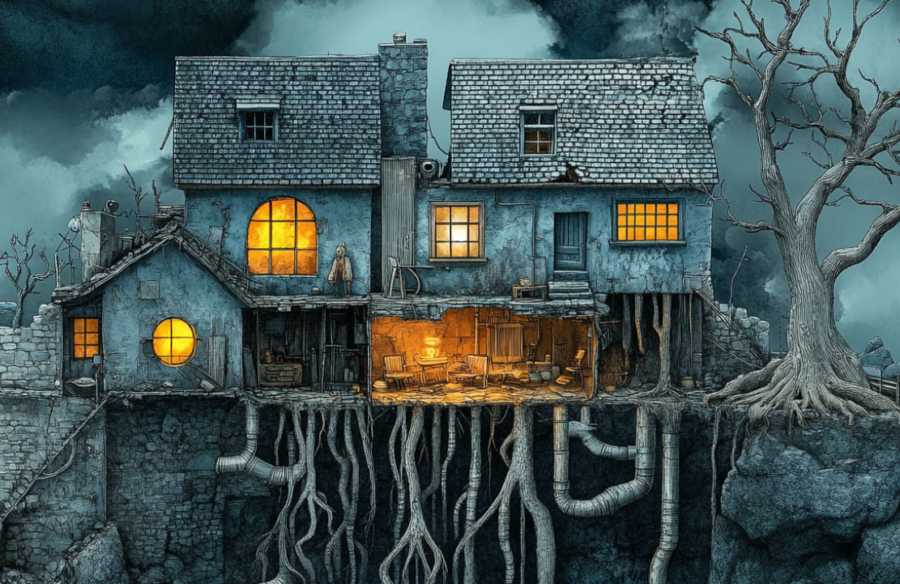 Something is happening beneath the floors right now, and it is not asking for permission. Pipes quietly do their job day after day, carrying away water, waste, and the occasional regrettable cooking experiment. Because none of this is visible, it is easy to assume everything below ground is fine. That assumption has ruined many perfectly good living rooms.
Drainage systems age, settle, shift, and sometimes give up with very little warning. When problems begin underground, they rarely stay there. Moisture migrates. Soil moves. Foundations notice. By the time symptoms appear indoors, the issue has usually been practicing for a while.
Hairline Cracks That Grow Up Fast
Cracks in underground pipes often start small enough to feel harmless. A tiny fracture can form from ground movement, temperature changes, or decades of wear. On its own, it may seem insignificant, but water escaping into surrounding soil has ambition.As moisture seeps out, it washes away fine particles that support the pipe and nearby foundations. Over time, this creates voids. Those voids invite settling, and settling invites cracks in walls, uneven floors, and doors that suddenly refuse to behave.
This stage is rarely dramatic. It is quiet, slow, and deeply inconvenient. Serious tone matters here because structural damage rarely announces itself politely. It prefers long-term commitment.
Roots With Questionable Boundaries
Tree roots do not respect property lines, plumbing codes, or personal space. They are drawn to moisture, and a tiny crack in a pipe smells like opportunity. Once inside, roots expand, block flow, and apply pressure where pressure is least welcome.The result is often repeated blockages, slow drainage, and backups that seem to happen at the worst possible moments. Underground, roots can force pipes apart, creating larger leaks that undermine surrounding soil. Above ground, walls and patios may start shifting in protest.
Roots are patient. They will wait years to cause chaos, which makes them impressively petty for something without a brain.
Corrosion That Eats From the Inside
Older metal pipes are especially vulnerable to corrosion. Over time, water chemistry and waste gradually erode pipe walls from the inside. What remains may look solid from the outside while being structurally exhausted within.Corroded pipes are prone to collapse. When that happens, soil can rush in, blocking flow entirely and creating sinkholes beneath foundations or driveways. This is not an area for optimism. Once corrosion reaches an advanced stage, damage tends to accelerate quickly.
Early Warning Signs Worth Taking Seriously
Some signals appear long before structural damage becomes visible. They are easy to dismiss, which is how they win.- Persistent slow drains across multiple fixtures
- Unpleasant smells that refuse to leave
- Gurgling noises from pipes when water drains
- Unexpected damp patches near foundations
When Water Decides to Redesign Your House
Once water escapes its intended route, it becomes an amateur architect. Escaping moisture alters soil density, especially in clay-heavy ground that expands when wet and shrinks when dry. This constant movement places stress on foundations that were designed for stability, not interpretive dance.Cracks in walls, sloping floors, and gaps around windows can all trace their origin back to drainage failures below ground. These are not cosmetic quirks. They indicate that the structure is compensating for changes beneath it. At this stage, repairs often involve more than just plumbing, and seriousness is unavoidable.
Why Problems Stay Hidden for So Long
Drainage issues thrive on invisibility. Pipes are buried, sealed, and generally trusted without question. Out of sight becomes out of mind, which works beautifully for problems that prefer not to be noticed.Water can leak underground for years without surfacing. Soil absorbs it, roots enjoy it, and foundations slowly react. By the time signs appear indoors, the original cause may feel unrelated, which makes diagnosis tricky and delays action.
There is also the human factor. A slow drain feels manageable. A faint smell seems tolerable. Houses rarely collapse overnight, so urgency is postponed until urgency insists.
Inspection Beats Excavation Every Time
Modern inspection methods allow underground pipes to be examined without turning gardens into archaeological sites. Small cameras can identify cracks, root ingress, corrosion, and misaligned joints long before collapse occurs.This matters because early intervention often means targeted repairs instead of large-scale reconstruction. Fixing a small defect costs less than stabilizing a foundation that has lost its patience. The serious truth is that preventative attention saves both money and structural integrity.
Maintenance Without the Drama
Keeping drainage systems healthy does not require constant anxiety. It does require awareness. Knowing the age of pipes, being cautious with what goes down drains, and responding promptly to warning signs makes a measurable difference.Trees planted far from pipe runs are less likely to cause trouble. Regular checks prevent minor issues from turning into structural sagas. None of this is glamorous, but neither is explaining why the floor slopes toward the sofa.
Pipe Dreams and Solid Ground
Underground drainage may never earn appreciation, but its role is foundational in the most literal sense. When pipes function as intended, homes stay dry, stable, and blissfully boring.Ignoring what lies beneath invites problems that enjoy escalation. Paying attention keeps the ground steady, the walls upright, and the pipes doing their quiet work without ambition. That is the kind of dream worth protecting.
Article kindly provided by expressdrainagesurveys.co.uk
Latest Articles
- Can a House Be Too Well Insulated? Understanding the Other Half of Low-Energy Design
- Your Roof Needs to Breathe Too: The Link Between Ventilation, Condensation and Hidden Timber Damage
- Why Your Boiler Behaves Perfectly Until the Weather Turns Cold
- Why Roof Age Is Only Part of the Picture
- How HOA Boards Can Catch Pavement Problems Before They Get Expensive
- Why Vacuuming Alone Eventually Stops Making a Carpet Look Clean
- Designing a Garden That Still Works After the Sun Goes Down
- Why Your Boiler Sounds Different in Summer Than It Does in Winter
- Case Study: Patio Installation Costs in Newcastle
- Why Your Garden Could Be the Most Underrated Fitness Space You Own
- The Hidden Costs of Ignoring Tree Stumps After Felling
- How Much Does a New Roof Cost in Portsmouth? 2026 Pricing Guide
- Choosing the Right Hot Water System for the Way You Actually Live
- Why Beautiful Homes Sometimes Feel Uncomfortable to Live In
- Why Some Homes Always Feel Brighter Without Adding More Windows
- Why Some Roof Leaks Only Appear During Wind-Driven Rain
- Why the Most Memorable Rooms Usually Have One Thing That Feels Unexpected
- Case Study - How Much Does a New Roof Cost in Harrogate?
- Case Study - How Much Does Block Paving Cost in Derby?
- Solar Power: What Happens to Your Energy After Sunset?
- Interior Design
- Home Improvement
- Gardening
- Home Organization
- Home Maintenance
- DIY Crafts
- Kitchen and Dining
- Bathroom Design
- Home Security
- Home Automation
- Green Living
- Home Office
- Home Decor
- Garden Design
- Pet Care
- Home Technology
- Landscaping
- Home Energy Efficiency
- Home Cleaning
- Home Safety
- Home Exterior
- Home Insulation
- Home Buying
- Home Selling
- Renting
- Tradespeople
- Garage
- Bedroom
- Painting and Decorating
- Plumbing and Drainage