

Hidden Energy Loss at the Roofline and How to Fix It
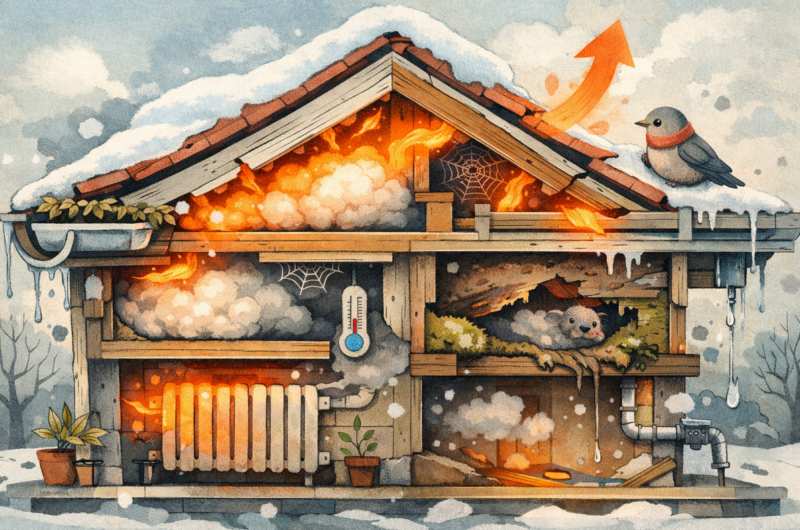 A house can be warm, dry, and comfortable while quietly leaking money through places most people never think to look. The roofline sits politely above daily life, never squeaking, never dripping, and rarely demanding attention. Unfortunately, that polite silence often hides steady heat loss. Warm air loves to rise, and when it reaches the roofline, it will escape through even the smallest weaknesses like a cat finding an open door at midnight.
Energy loss here does not announce itself with dramatic drafts or obvious damage. Instead, it shows up on heating bills that feel suspiciously high and rooms that never quite stay warm. Fascias, soffits, and guttering form a system that protects insulation, manages airflow, and keeps moisture out. When one part fails, the whole setup starts working against the home rather than for it. This section takes a calm, practical look at where problems hide and why they matter.
Why the Roofline Is a Heat Escape Artist
Heat naturally rises, which makes the roofline the final checkpoint before warmth exits the building entirely. Poorly sealed joints, aging materials, and gaps around eaves create escape routes that insulation alone cannot block. Even excellent loft insulation struggles if cold air circulates freely beneath it or moisture degrades its effectiveness over time.Soffits play a major role here. They allow controlled ventilation, preventing condensation while keeping airflow predictable. When soffits crack, warp, or rot, ventilation becomes chaotic. Cold air enters where it should not, warm air leaves when it should stay put, and insulation loses the fight. Fascias support the guttering and seal the roof edge. When they fail, the boundary between indoors and outdoors becomes fuzzy in the worst possible way.
Fascias and Soffits Doing More Than Looking Neat
It is easy to think of fascias and soffits as decorative trim. They look tidy, they match the roof, and they rarely star in renovation photos. Functionally, they are the bouncers of the building envelope. They control airflow, block moisture, and protect roof timbers from the weather.Cracked paint, sagging boards, or visible gaps are not cosmetic issues. They are invitations for damp air, pests, and heat loss. When moisture gets involved, insulation compresses and loses performance. Timber swells, gaps widen, and energy efficiency quietly slips away. At this stage, repairs are often simpler than expected, especially when caught early.
Guttering as an Unlikely Energy Villain
Guttering seems innocent, minding its own business during rainstorms. When blocked or poorly aligned, it sends water where it does not belong. Overflowing water can soak fascias, seep behind soffits, and reach insulation layers. Wet insulation behaves like a wool jumper dropped in a puddle. It still exists, but it no longer helps much.A quick visual check after heavy rain can reveal problems. Staining, moss growth, or dripping behind gutters all point to water escaping its intended path. Fixing guttering is often one of the cheapest ways to protect roofline efficiency and prevent a chain reaction of energy loss.
How to Spot Roofline Energy Problems Without Climbing Like a Squirrel
Most roofline issues announce themselves subtly, preferring whispers over sirens. Inside the house, persistent cold spots near ceilings, peeling paint along upper walls, or a loft that smells faintly like a forgotten towel are all clues. Outside, uneven guttering, cracked boards, or plants growing where only rain should live deserve attention.A serious note belongs here. Ignoring early signs allows moisture and air leakage to compound over time. What begins as a small gap can lead to timber decay, mould growth, and steadily rising heating costs. Regular inspections from ground level, especially after storms, can prevent a minor fix from becoming a major project.
Small Fixes That Deliver Outsized Energy Gains
Improving roofline efficiency does not require dramatic renovations or heroic spending. Targeted repairs often produce noticeable results. Sealing gaps around soffits, replacing damaged fascias, and realigning guttering can dramatically reduce unwanted airflow and moisture intrusion.Ventilation deserves careful balance. Blocking airflow entirely traps condensation, which is just as damaging as cold drafts. Modern soffit systems allow controlled ventilation while maintaining a tight thermal boundary. When combined with dry, well-fitted insulation, this balance keeps heat inside during winter and prevents overheating in summer.
Simple upgrades worth considering include:
- Replacing rotted timber fascias with low-maintenance alternatives
- Installing continuous soffit ventilation rather than patchwork vents
- Clearing and securing guttering to ensure proper drainage
- Sealing junctions where roof, wall, and soffit meet
When Professional Help Makes Sense
Some roofline issues hide behind neat surfaces. Water ingress can travel along timbers before showing visible signs, and airflow problems are not always obvious. A professional assessment can identify weaknesses without guesswork, especially when energy bills feel disconnected from thermostat settings.This is not about overreacting. It is about recognising when precision matters. Properly installed roofline components protect insulation, extend roof lifespan, and stabilise indoor temperatures. In many cases, addressing these details improves comfort immediately, which tends to be noticed long before the next utility bill arrives.
Stopping Heat From Ghosting You
Heat loss at the roofline is rarely dramatic, but it is persistent. Left alone, it quietly undermines insulation, inflates bills, and makes heating systems work harder than necessary. Addressing fascias, soffits, and guttering closes the escape routes warm air uses to disappear into the sky.There is something deeply satisfying about fixing a problem no one sees but everyone feels. Rooms warm up faster, damp smells fade, and the house stops behaving like it has its own climate agenda. The roofline may never get applause, but once it stops leaking heat, it earns quiet respect every winter evening.
Article kindly provided by thegreenerroofco.co.uk
Latest Articles
- Why Roof Age Is Only Part of the Picture
- How HOA Boards Can Catch Pavement Problems Before They Get Expensive
- Why Vacuuming Alone Eventually Stops Making a Carpet Look Clean
- Designing a Garden That Still Works After the Sun Goes Down
- Why Your Boiler Sounds Different in Summer Than It Does in Winter
- Case Study: Patio Installation Costs in Newcastle
- Why Your Garden Could Be the Most Underrated Fitness Space You Own
- The Hidden Costs of Ignoring Tree Stumps After Felling
- How Much Does a New Roof Cost in Portsmouth? 2026 Pricing Guide
- Choosing the Right Hot Water System for the Way You Actually Live
- Why Beautiful Homes Sometimes Feel Uncomfortable to Live In
- Why Some Homes Always Feel Brighter Without Adding More Windows
- Why Some Roof Leaks Only Appear During Wind-Driven Rain
- Why the Most Memorable Rooms Usually Have One Thing That Feels Unexpected
- Case Study - How Much Does a New Roof Cost in Harrogate?
- Case Study - How Much Does Block Paving Cost in Derby?
- Solar Power: What Happens to Your Energy After Sunset?
- Why Your Windows Could Be Costing You More Than Your Boiler
- Choosing the Right Bit for Wood, Metal, Masonry and More
- Outdoor Furniture Survival Rules for Tropical Weather
- Interior Design
- Home Improvement
- Gardening
- Home Organization
- Home Maintenance
- DIY Crafts
- Kitchen and Dining
- Bathroom Design
- Home Security
- Home Automation
- Green Living
- Home Office
- Home Decor
- Garden Design
- Pet Care
- Home Technology
- Landscaping
- Home Energy Efficiency
- Home Cleaning
- Home Safety
- Home Exterior
- Home Insulation
- Home Buying
- Home Selling
- Renting
- Tradespeople
- Garage
- Bedroom
- Painting and Decorating
- Plumbing and Drainage