

What Your Building Is Doing Wrong With Electricity (Even If Everything Seems Fine)
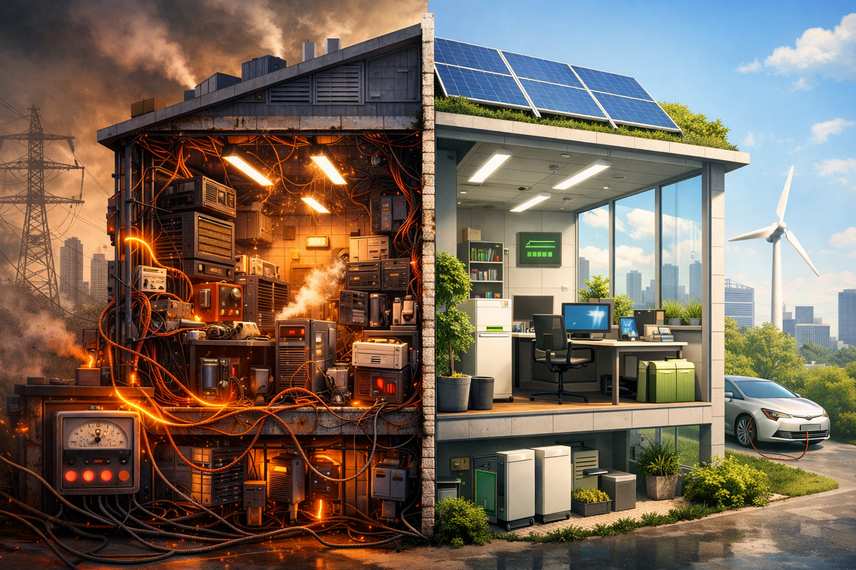 Electricity has a talent for misbehaving politely. When a building has a serious leak, a broken lift, or a heating system that sounds like it is reconsidering its life choices, people notice. Electrical waste is different. It tends to sit quietly in the background, smiling like a receptionist who has already misplaced your paperwork.
That is what makes it expensive. Many buildings appear to run perfectly well while using power in clumsy, inefficient ways. Lights come on. Computers work. Air conditioning hums. Nothing is obviously on fire. Yet beneath that calm surface, small inefficiencies stack up into large bills.
One of the most common problems is unnecessary peak demand. A building may not use an outrageous amount of electricity overall, but if too many systems switch on at the same time, costs can jump. This often happens in the morning. Lighting, HVAC, kitchen equipment, lifts, servers, pumps, and assorted office gadgets all wake up together like an overenthusiastic marching band. The building is technically functioning, but it is choosing one of the most expensive ways to function.
When Balanced Systems Are Not Actually Balanced
Load balancing sounds like the sort of phrase designed to end conversations at parties, but it matters. In simple terms, buildings work better when electrical demand is spread sensibly across circuits, equipment, and time periods. When that does not happen, some parts of the system carry more strain than they should while others do comparatively little.This imbalance can lead to higher operating costs, reduced equipment life, and power quality issues that are easy to miss. Motors may run hotter. Distribution equipment may wear unevenly. Sensitive devices may perform less reliably. None of this looks dramatic at first. That is part of the problem. Buildings can tolerate inefficiency for a long time, right up until they present the invoice.
The serious point is this: poor electrical performance is often mistaken for normal ageing. Owners assume rising costs are simply what happens over time. Sometimes that is true. Often, though, the system is not old so much as badly coordinated.
Equipment That Does the Right Job at the Wrong Size
Another hidden issue is mismatched equipment. Buildings frequently operate with systems that are too large, too old, or poorly suited to actual demand. An oversized HVAC unit, for example, may cycle inefficiently. A backup system may be maintained for conditions that rarely occur. Pumps and fans may run at fixed speeds when variable operation would make far more sense.Oversizing has a curious reputation for sounding prudent. Bigger feels safer. Bigger feels futureproof. Bigger also has a habit of wasting money with complete confidence.In practice, oversized systems rarely operate at their optimal efficiency point. They turn on, do a quick burst of work, then shut off again, repeating this cycle throughout the day. That stop-start rhythm consumes more energy than a steady, right-sized system would. It is a bit like sprinting to the fridge every five minutes instead of walking there once and being done with it.
Smaller inefficiencies also creep in through outdated controls. Buildings often rely on fixed schedules that no longer match how the space is used. Meeting rooms stay fully powered long after everyone has left. Cooling systems run at full tilt during mild weather. Lighting systems remain blissfully unaware of daylight. Nothing is technically broken, yet nothing is particularly thoughtful either.
Convenience Is Quietly Expensive
Modern buildings are full of conveniences that feel harmless on their own. Automated start times, synchronized systems, and standardized settings make operations easier to manage. Unfortunately, they also tend to align energy usage in ways that increase costs.When everything is scheduled for simplicity rather than efficiency, demand spikes become routine. Systems do not coordinate; they simply follow instructions. The result is a building that behaves like a group chat where everyone talks at once. It works, but not well.
There is also a tendency to leave systems running "just in case." Equipment stays powered to avoid delays, discomfort, or complaints. While understandable, this habit quietly inflates consumption. Over time, these small decisions accumulate into a consistent pattern of overuse.
Finding Waste That Does Not Look Like Waste
Identifying these issues requires a shift in perspective. Instead of asking whether systems are working, the better question is whether they are working intelligently. That means looking at when energy is used, how demand is distributed, and whether equipment matches real needs.Some practical steps can make a noticeable difference:
- Stagger start-up times for major systems to reduce peak demand
- Review equipment sizing and replace or adjust where necessary
- Update control systems to reflect actual building usage
- Monitor energy patterns rather than relying on assumptions
Watt a Difference It Makes
Buildings do not need to be obviously dysfunctional to be wasteful. In many cases, the most expensive problems are the ones that blend in. A system that works "well enough" can still be doing the wrong thing at the wrong time, every single day.Improving electrical efficiency is less about fixing faults and more about refining behaviour. When systems are aligned with actual demand, costs drop, performance improves, and equipment lasts longer. The building still looks the same from the outside. It simply stops making quiet, costly mistakes behind the scenes.
Article kindly provided by prudentpower.co.uk
Latest Articles
- Why Unoccupied Properties Can Deteriorate Faster Than Occupied Ones
- Could That Beautiful Tree Be Quietly Damaging Your House?
- What Scotland's Relentless Rain Can Reveal About Your Home's Plumbing
- Window Privacy: Why Being Invisible During the Day Doesn't Mean You're Invisible at Night
- Why Plumbing Problems Behave Differently in Older Tenement Buildings
- Is Your Bed Frame Making Your Mattress Work Harder?
- Before You Hire a Handyman, Photograph the Problem Properly
- The Repair That Reveals Three More Repairs: How to Handle Scope Creep Calmly
- The 'While You're Here' List: Small Jobs That Are Worth Grouping Together
- The Previous Owner's Strange Decisions and How a Handyman Unpicks Them
- The Guest Test for Small Home Repairs
- How Long Should a Dishwasher Last, and When Is Repair the Better Choice?
- Why Is My Washing Machine Shaking So Much?
- The Weight Test: What Your Wall Can Really Hold
- Why a Door That Still Locks Can Still Be a Security Problem
- The One-Hour Home Audit: Small Defects That Quietly Become Expensive Repairs
- Can a House Be Too Well Insulated? Understanding the Other Half of Low-Energy Design
- Your Roof Needs to Breathe Too: The Link Between Ventilation, Condensation and Hidden Timber Damage
- Why Your Boiler Behaves Perfectly Until the Weather Turns Cold
- Why Roof Age Is Only Part of the Picture
- Interior Design
- Home Improvement
- Gardening
- Home Organization
- Home Maintenance
- DIY Crafts
- Kitchen and Dining
- Bathroom Design
- Home Security
- Home Automation
- Green Living
- Home Office
- Home Decor
- Garden Design
- Pet Care
- Home Technology
- Landscaping
- Home Energy Efficiency
- Home Cleaning
- Home Safety
- Home Exterior
- Home Insulation
- Home Buying
- Home Selling
- Renting
- Tradespeople
- Garage
- Bedroom
- Painting and Decorating
- Plumbing and Drainage