

Designing a Garden Renovation Without the Chaos
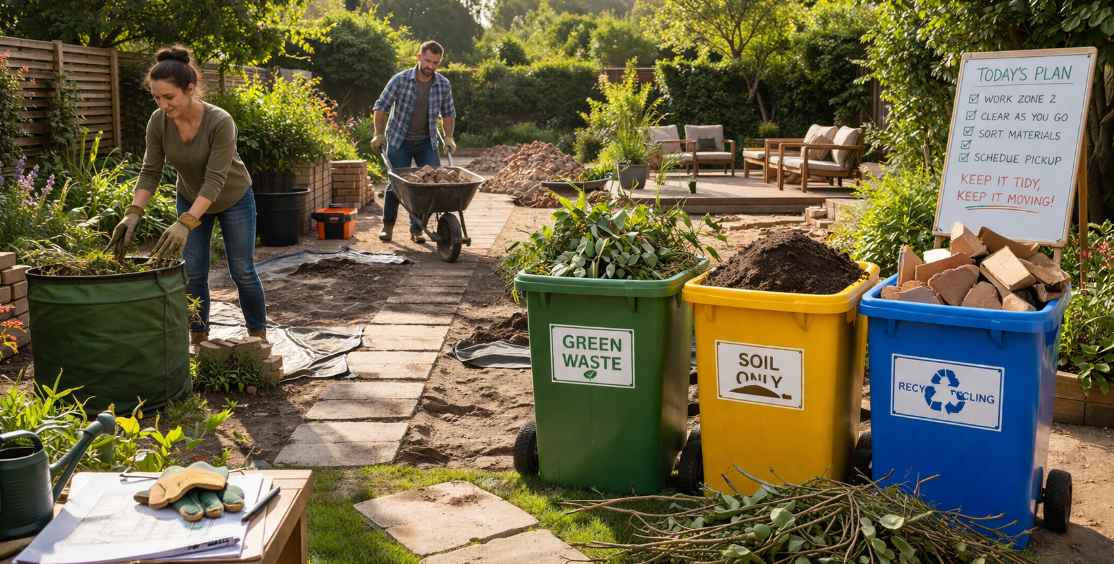 A garden renovation begins with excitement and a slightly unrealistic belief that everything will stay tidy. Then the first pile of soil appears, followed by broken pavers, tangled roots, and a mysterious heap that nobody remembers creating. Order slips quickly unless there's a plan in place before the first shovel hits the ground.
Managing waste isn't the glamorous part of transforming an outdoor space, but it is the difference between a smooth project and one that feels like living beside a construction site that never clocks off. A well-organized approach keeps things safer, faster, and far less stressful.
Start with a Clear Waste Strategy
Before any physical work begins, take a moment to map out what kinds of waste the renovation will produce. Garden upgrades tend to generate more variety than expected—green waste, soil, rubble, timber, packaging, and the occasional surprise lurking beneath old landscaping.Breaking this down early helps avoid the classic scenario of standing in the yard holding a broken fence panel and wondering where on earth it should go. A simple plan might include:
- Designating areas for different waste types
- Estimating how much material will need removal
- Scheduling when each category will be cleared
Divide the Space into Work Zones
Trying to renovate an entire garden at once often leads to clutter spreading everywhere. A more controlled approach is to divide the area into zones and tackle them one at a time.For example, one section can serve as the active work zone, while another becomes a temporary holding area for waste. This keeps debris contained instead of drifting across the entire property like it has its own agenda.
Keeping zones clearly defined also improves safety. Tools stay where they're needed, pathways remain usable, and there's less risk of stepping on something sharp while carrying a wheelbarrow. Nobody enjoys discovering a stray nail the hard way.
Time Your Clean-Ups Like Clockwork
One of the most effective ways to stay in control is to schedule regular clean-ups rather than waiting until the end. Leaving everything until the final stage might sound efficient, but it usually results in working around growing piles of debris.Set specific intervals to clear waste—daily for larger projects or every couple of days for smaller ones. This keeps the workspace functional and prevents that creeping sense of chaos.
There's also a psychological benefit. Walking into a relatively tidy space each day makes the project feel manageable. Walking into what looks like a garden that lost an argument with a bulldozer has the opposite effect.
Separate Materials as You Go
Mixing everything into one pile might feel efficient in the moment, but it creates more work later. Sorting materials during the renovation keeps disposal simple and often more cost-effective.Green waste, clean soil, timber, and construction debris each have different handling requirements. Keeping them separate avoids the need to re-sort later, which is about as enjoyable as untangling a garden hose that has developed a personality.
A few clearly labeled containers or designated piles can make a noticeable difference:
- Green waste for branches, leaves, and grass
- Hard waste for bricks, concrete, and tiles
- Reusable materials like timber or pavers
Keep Access Points Clear
Efficient waste management depends on easy access. If pathways become blocked, even simple tasks turn into complicated maneuvers involving awkward angles and questionable balance.Designate a clear route for moving materials in and out of the garden. This might be a side path, driveway access, or a temporary walkway. Keeping this route free of clutter allows for faster clean-up and reduces the risk of accidents.
It also saves time. Navigating around obstacles while carrying heavy loads is not only frustrating but also exhausting. A clear path keeps the workflow steady and far less dramatic.
Plan for Removal Before It Becomes Urgent
Waste has a way of accumulating faster than expected. What starts as a manageable pile can quickly become something that dominates the space.Arranging removal in advance ensures that materials don't linger longer than necessary. Whether it's scheduled pickups or pre-arranged disposal options, having a plan prevents last-minute scrambling.
There's a certain satisfaction in seeing waste leave the site regularly. It creates visible progress and keeps the focus on building rather than clearing.
Don't Let the Mess Steal the Momentum
A garden renovation should feel like progress, not punishment. When waste is managed efficiently, the entire project becomes more enjoyable and far less overwhelming.Small, consistent actions—clearing as you go, keeping materials sorted, maintaining access—add up to a smoother experience. The space remains functional, the workload stays balanced, and the end result arrives without the lingering memory of chaos.
Think of waste management as the quiet partner in the renovation process. It doesn't get much attention, but without it, everything becomes harder. With it, the transformation unfolds in a way that feels controlled, practical, and just a little bit satisfying.
Article kindly provided by tommystransport.com.au
Latest Articles
- Why Unoccupied Properties Can Deteriorate Faster Than Occupied Ones
- Could That Beautiful Tree Be Quietly Damaging Your House?
- What Scotland's Relentless Rain Can Reveal About Your Home's Plumbing
- Window Privacy: Why Being Invisible During the Day Doesn't Mean You're Invisible at Night
- Why Plumbing Problems Behave Differently in Older Tenement Buildings
- Is Your Bed Frame Making Your Mattress Work Harder?
- Before You Hire a Handyman, Photograph the Problem Properly
- The Repair That Reveals Three More Repairs: How to Handle Scope Creep Calmly
- The 'While You're Here' List: Small Jobs That Are Worth Grouping Together
- The Previous Owner's Strange Decisions and How a Handyman Unpicks Them
- The Guest Test for Small Home Repairs
- How Long Should a Dishwasher Last, and When Is Repair the Better Choice?
- Why Is My Washing Machine Shaking So Much?
- The Weight Test: What Your Wall Can Really Hold
- Why a Door That Still Locks Can Still Be a Security Problem
- The One-Hour Home Audit: Small Defects That Quietly Become Expensive Repairs
- Can a House Be Too Well Insulated? Understanding the Other Half of Low-Energy Design
- Your Roof Needs to Breathe Too: The Link Between Ventilation, Condensation and Hidden Timber Damage
- Why Your Boiler Behaves Perfectly Until the Weather Turns Cold
- Why Roof Age Is Only Part of the Picture
- Interior Design
- Home Improvement
- Gardening
- Home Organization
- Home Maintenance
- DIY Crafts
- Kitchen and Dining
- Bathroom Design
- Home Security
- Home Automation
- Green Living
- Home Office
- Home Decor
- Garden Design
- Pet Care
- Home Technology
- Landscaping
- Home Energy Efficiency
- Home Cleaning
- Home Safety
- Home Exterior
- Home Insulation
- Home Buying
- Home Selling
- Renting
- Tradespeople
- Garage
- Bedroom
- Painting and Decorating
- Plumbing and Drainage