

Why Your Outdoor Surface Choice Matters More Than Your Furniture
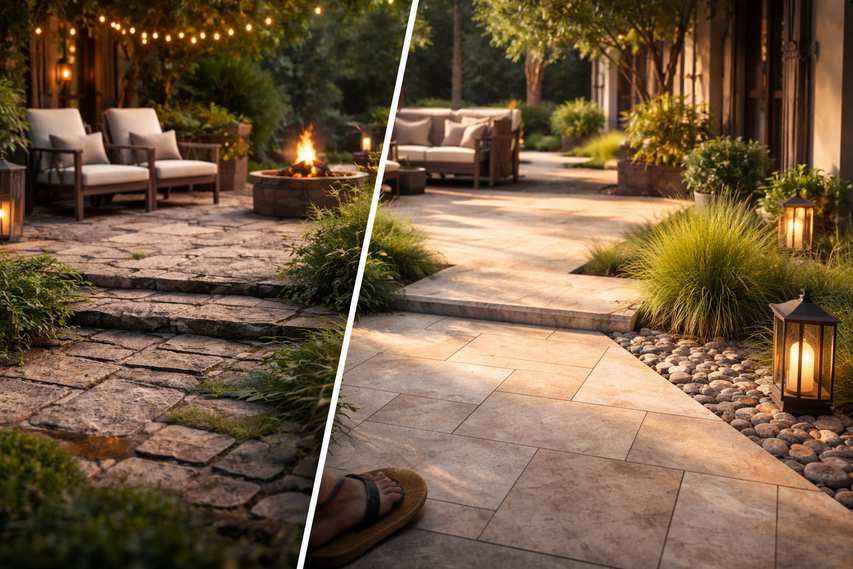 Most people plan an outdoor space the same way they plan an outfit—start with what looks good, then figure out if it's comfortable later. That works fine for a dinner party. It fails spectacularly when applied to patios, driveways, and pathways that will outlive several sets of furniture and possibly your enthusiasm for rearranging it.
Furniture gets the attention because it's visible, movable, and easy to imagine. Surfaces, on the other hand, sit there doing their job without asking for compliments. But they determine whether your outdoor area feels effortless or mildly irritating every single day.
Function Comes First Whether You Like It or Not
A chair can be replaced. A poorly chosen surface becomes a long-term relationship you didn't quite agree to.If a patio holds heat like a frying pan, you'll avoid it during the exact hours you hoped to enjoy it. If a pathway becomes slippery after light rain, it stops being a feature and starts being a risk assessment exercise. These aren't rare edge cases—they're predictable outcomes of ignoring function in favor of appearance.
A well-chosen surface quietly supports everything else. It drains properly, stays comfortable underfoot, and handles wear without constantly reminding you of its limitations. When that foundation is right, furniture becomes the finishing touch instead of the distraction from underlying problems.
Durability Is Not an Abstract Concept
Durability sounds like something you think about once and then forget. In reality, it shows up in small, repeated annoyances.Cracking, shifting, fading—none of these happen dramatically enough to justify immediate action. They just accumulate. One uneven section becomes two. A small stain becomes permanent. Eventually, the space starts to feel neglected, even if everything sitting on top of it is brand new.
A durable surface absorbs daily life without complaint. It handles foot traffic, weather changes, and the occasional dropped object without turning it into a repair project. This isn't about perfection; it's about reducing the number of times you sigh and think, "I should really fix that."
Texture Changes How a Space Feels and Functions
Texture is often treated as a visual detail, but it's experienced physically first.A smooth surface might look sleek, but it can become hazardous when wet. A rougher finish offers grip, but too much texture can make it uncomfortable for bare feet or difficult to clean. The right balance depends on how the space is actually used, not just how it photographs.
Consider how people move through the area. Are they walking barefoot from a pool? Carrying drinks? Dragging chairs across the ground? Texture influences all of that, quietly shaping behavior.
Ignoring it leads to subtle friction—literally and figuratively. Paying attention to it creates ease that people notice without being able to explain why.
Heat Resistance Decides When the Space Is Usable
Some surfaces turn into heat collectors, storing sunlight and releasing it exactly when you'd prefer they didn't.This isn't just about comfort. It determines whether your outdoor space is usable during large portions of the day. A surface that becomes too hot to walk on limits movement, discourages activity, and effectively shrinks the functional size of your area.
Materials vary significantly in how they handle heat. Lighter tones, certain finishes, and specific compositions reflect more sunlight and stay cooler. These choices aren't dramatic at first glance, but they become obvious the moment someone hesitates before stepping outside.
And hesitation is not what anyone wants from a space designed for relaxation.
Maintenance Sneaks Into Your Routine
Low maintenance is often promised, rarely defined, and frequently misunderstood.Every surface requires some level of care, but the frequency and effort vary dramatically. Some materials shrug off dirt and weather with minimal attention. Others seem to attract stains as if they've made a personal commitment to inconvenience.
If a surface demands regular sealing, careful cleaning, or constant monitoring, it slowly inserts itself into your schedule. Not in a dramatic way—just enough to become annoying. You start noticing it when you'd rather be doing something else, like sitting down and enjoying the space you spent time and money creating.
A practical approach helps:
- Choose materials that match how much effort you're realistically willing to put in
- Avoid finishes that show every mark unless you enjoy frequent upkeep
- Think about long-term care before committing, not after installation
Flow and Layout Begin at Ground Level
Surfaces define movement long before furniture gets involved.Pathways guide people instinctively. A well-placed route feels obvious without needing signs or explanation. A poorly planned one creates awkward detours, hesitation, or the classic moment where someone walks across the lawn because it's easier.
Driveways, patios, and connecting areas form a network. When they align properly, everything feels connected. When they don't, the space feels fragmented, no matter how attractive each individual section might be.
This is where surfaces quietly outperform furniture. You can rearrange chairs all day, but if the layout underneath doesn't make sense, the space will always feel slightly off.
Furniture Is Temporary, Surfaces Are Commitment
Outdoor furniture comes and goes. Styles change, materials wear out, and preferences shift. Replacing a chair is a decision you can make over coffee. Replacing a driveway is a project you postpone for months while pretending it's not urgent.That difference matters.
Investing thought into surfaces upfront saves time, money, and frustration later. It also gives flexibility. When the foundation is solid, you can swap furniture, experiment with layouts, and adapt the space without needing to rethink everything from scratch.
When the foundation is flawed, every change feels like working around a problem that shouldn't be there in the first place.
Ground Rules That Actually Matter
A well-designed outdoor space doesn't announce itself. It simply works.Surfaces that stay comfortable, safe, and durable create an environment people naturally want to use. There's no need to convince anyone. They walk outside, sit down, and remain there longer than planned.
That outcome isn't accidental. It comes from decisions made early, often overlooked, and rarely reconsidered once everything is in place.
Furniture might catch the eye first, but the ground beneath it decides whether anyone sticks around.
Article kindly provided by woodlandswa.com
Latest Articles
- Why Roof Age Is Only Part of the Picture
- How HOA Boards Can Catch Pavement Problems Before They Get Expensive
- Why Vacuuming Alone Eventually Stops Making a Carpet Look Clean
- Designing a Garden That Still Works After the Sun Goes Down
- Why Your Boiler Sounds Different in Summer Than It Does in Winter
- Case Study: Patio Installation Costs in Newcastle
- Why Your Garden Could Be the Most Underrated Fitness Space You Own
- The Hidden Costs of Ignoring Tree Stumps After Felling
- How Much Does a New Roof Cost in Portsmouth? 2026 Pricing Guide
- Choosing the Right Hot Water System for the Way You Actually Live
- Why Beautiful Homes Sometimes Feel Uncomfortable to Live In
- Why Some Homes Always Feel Brighter Without Adding More Windows
- Why Some Roof Leaks Only Appear During Wind-Driven Rain
- Why the Most Memorable Rooms Usually Have One Thing That Feels Unexpected
- Case Study - How Much Does a New Roof Cost in Harrogate?
- Case Study - How Much Does Block Paving Cost in Derby?
- Solar Power: What Happens to Your Energy After Sunset?
- Why Your Windows Could Be Costing You More Than Your Boiler
- Choosing the Right Bit for Wood, Metal, Masonry and More
- Outdoor Furniture Survival Rules for Tropical Weather
- Interior Design
- Home Improvement
- Gardening
- Home Organization
- Home Maintenance
- DIY Crafts
- Kitchen and Dining
- Bathroom Design
- Home Security
- Home Automation
- Green Living
- Home Office
- Home Decor
- Garden Design
- Pet Care
- Home Technology
- Landscaping
- Home Energy Efficiency
- Home Cleaning
- Home Safety
- Home Exterior
- Home Insulation
- Home Buying
- Home Selling
- Renting
- Tradespeople
- Garage
- Bedroom
- Painting and Decorating
- Plumbing and Drainage