

The Hidden Trade-Off Between Comfort and Grip in Outdoor Flooring
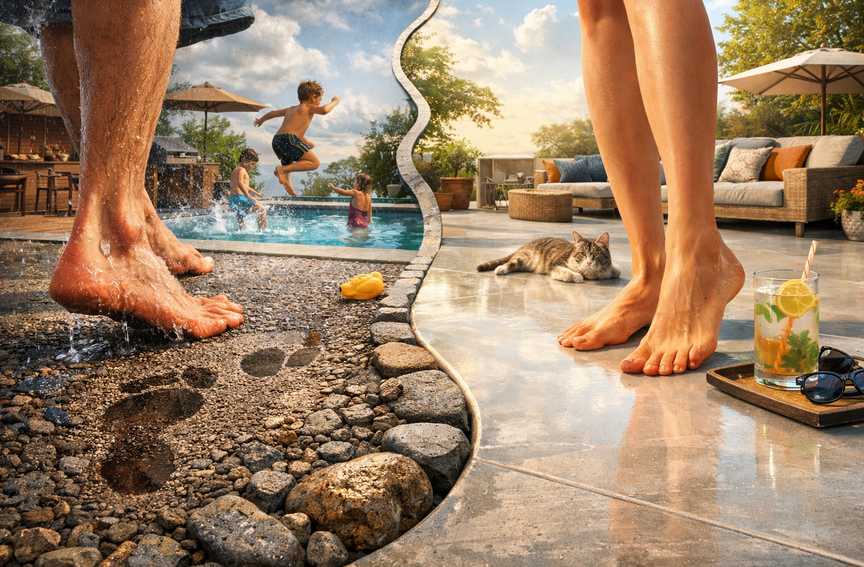 Stepping barefoot onto an outdoor surface can feel either like a gentle welcome or an unexpected betrayal. One moment you're enjoying the warmth underfoot, the next you're performing a dramatic balancing act that nobody asked for. Outdoor flooring sits at the crossroads of comfort and grip, and choosing between the two is rarely as simple as it sounds.
Why Texture Matters More Than You Think
Texture isn't just about appearance; it's the invisible handshake between your foot and the ground. Rough aggregate finishes offer excellent traction, especially in wet conditions, but they can feel like walking across a field of tiny, determined pebbles. On the other hand, smoother finishes like honed concrete provide a far more comfortable experience, particularly for bare feet, but can raise concerns about slipping.The reality is that grip doesn't come solely from roughness. Sealers, surface treatments, and even how the material is installed all play a role. A well-treated smoother surface can outperform a poorly maintained rough one. It's less about choosing extremes and more about understanding how different factors interact.
Barefoot Comfort Isn't Just a Luxury
There's something deeply satisfying about walking outside without shoes, especially around pools, patios, or garden paths. Comfort becomes a priority in these spaces, particularly for families. Children rarely pause to consider surface texture before sprinting full speed across it, and adults prefer not to feel like they've signed up for an endurance challenge just to fetch a drink.Smoother finishes tend to win in comfort, offering a softer, more even feel underfoot. They also reduce the likelihood of minor scrapes or irritation. However, this comfort can come with a subtle trade-off if the surface isn't designed with slip resistance in mind. Nobody wants a relaxing afternoon interrupted by an unplanned slide that ends with a startled expression and a spilled beverage.
Grip and Safety in High-Traffic Zones
Some areas demand grip above all else. Pool surrounds, outdoor kitchens, and frequently used walkways are prime examples. Water, spills, and constant foot traffic create conditions where traction becomes essential.In these zones, slightly textured finishes or treated surfaces provide a safer option. They help prevent slips without necessarily sacrificing all comfort. The goal is to strike a balance where the surface feels stable underfoot but doesn't resemble a coarse sanding sheet.
Durability also plays a role here. High-traffic areas need materials that can withstand repeated use without wearing down unevenly. A surface that starts off balanced but becomes polished and slippery over time can create long-term issues. Choosing finishes designed to maintain their texture is a practical decision, not just an aesthetic one.
Finding the Middle Ground
Perfect balance rarely comes from choosing the most extreme option. Instead, it often lies in thoughtful compromises. Many modern finishes are designed to offer both comfort and grip by combining subtle texture with protective treatments.- Lightly honed surfaces with slip-resistant sealers provide a smooth feel while maintaining traction
- Exposed aggregate with smaller stones offers grip without excessive roughness
- Brushed finishes create gentle texture that's easier on bare feet
Weather Changes Everything
Outdoor flooring doesn't exist in a controlled environment. Sun, rain, and temperature shifts constantly test the relationship between comfort and grip. A surface that feels perfectly balanced on a dry afternoon can behave very differently after a sudden downpour.Heat is another factor often overlooked. Rougher surfaces tend to absorb and radiate more heat, turning a pleasant stroll into something resembling a quick-fire obstacle course. Smoother finishes generally feel cooler underfoot, making them more comfortable in warmer climates. Of course, comfort quickly becomes irrelevant if the surface turns slick when wet, so again, balance is key.
Maintenance also plays a quiet but significant role. Dirt buildup, algae, or worn sealers can alter the grip of any surface. Even the most thoughtfully chosen finish can become hazardous if it's neglected. Regular cleaning and periodic resealing help maintain that careful equilibrium between traction and comfort.
Choosing Based on How You Actually Live
It's tempting to choose outdoor flooring based on appearance alone, but daily use tells a different story. A space that hosts frequent gatherings, energetic children, or the occasional overenthusiastic pet demands a different approach than a rarely used decorative area.For family-focused spaces, a slightly softer and smoother surface with built-in slip resistance often works best. It keeps things comfortable while still offering enough grip to handle unexpected sprints and sudden stops. In contrast, areas designed for functionality—like pathways or service zones—can lean more toward texture and durability.
There's also the question of footwear. Not every outdoor space is strictly barefoot territory. If shoes are commonly worn, slightly rougher finishes become more practical, as they provide consistent traction without affecting comfort as much.
Style Without Sacrificing Sense
Aesthetic appeal doesn't have to be the enemy of practicality. Modern outdoor surfaces offer a wide range of finishes that look refined while still addressing real-world needs. Clean, minimalist designs can coexist with subtle textures that quietly do their job.The trick lies in resisting the urge to prioritize looks at the expense of usability. A surface that photographs beautifully but causes hesitation with every step quickly loses its charm. Good design supports how a space is used, not just how it appears.
Stepping Into the Right Balance
Outdoor flooring choices often come down to a simple question with a complicated answer: how should it feel to walk here? The answer shifts depending on context, weather, and daily habits. Comfort and grip aren't opposing forces so much as variables that need careful adjustment.A well-chosen surface doesn't draw attention to itself. It quietly supports movement, adapts to changing conditions, and avoids turning routine moments into unexpected challenges. When that balance is right, the only thing left to notice is how naturally everything works—no dramatic footwork required.
Article kindly provided by handmadeconcretingperth.com.au
Latest Articles
- Why Unoccupied Properties Can Deteriorate Faster Than Occupied Ones
- Could That Beautiful Tree Be Quietly Damaging Your House?
- What Scotland's Relentless Rain Can Reveal About Your Home's Plumbing
- Window Privacy: Why Being Invisible During the Day Doesn't Mean You're Invisible at Night
- Why Plumbing Problems Behave Differently in Older Tenement Buildings
- Is Your Bed Frame Making Your Mattress Work Harder?
- Before You Hire a Handyman, Photograph the Problem Properly
- The Repair That Reveals Three More Repairs: How to Handle Scope Creep Calmly
- The 'While You're Here' List: Small Jobs That Are Worth Grouping Together
- The Previous Owner's Strange Decisions and How a Handyman Unpicks Them
- The Guest Test for Small Home Repairs
- How Long Should a Dishwasher Last, and When Is Repair the Better Choice?
- Why Is My Washing Machine Shaking So Much?
- The Weight Test: What Your Wall Can Really Hold
- Why a Door That Still Locks Can Still Be a Security Problem
- The One-Hour Home Audit: Small Defects That Quietly Become Expensive Repairs
- Can a House Be Too Well Insulated? Understanding the Other Half of Low-Energy Design
- Your Roof Needs to Breathe Too: The Link Between Ventilation, Condensation and Hidden Timber Damage
- Why Your Boiler Behaves Perfectly Until the Weather Turns Cold
- Why Roof Age Is Only Part of the Picture
- Interior Design
- Home Improvement
- Gardening
- Home Organization
- Home Maintenance
- DIY Crafts
- Kitchen and Dining
- Bathroom Design
- Home Security
- Home Automation
- Green Living
- Home Office
- Home Decor
- Garden Design
- Pet Care
- Home Technology
- Landscaping
- Home Energy Efficiency
- Home Cleaning
- Home Safety
- Home Exterior
- Home Insulation
- Home Buying
- Home Selling
- Renting
- Tradespeople
- Garage
- Bedroom
- Painting and Decorating
- Plumbing and Drainage