

The Hidden Health Benefits of a Deep Clean
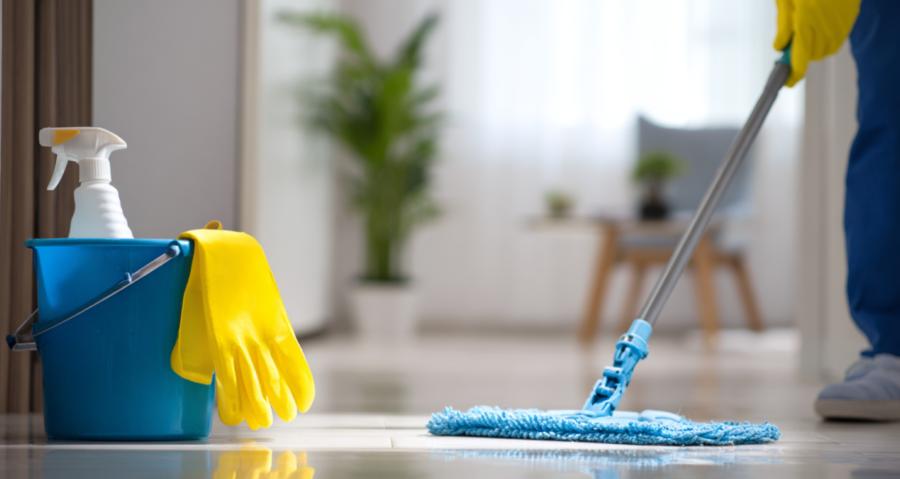 Dust has ambitions. It settles quietly, multiplies boldly, and waits for the exact moment someone with allergies walks by. That alone should earn cleaning a bit more respect, but the real story runs deeper than sneezes and sparkling countertops. A thorough deep clean does more than make a space look presentable; it actively protects health, steadies the mind, and keeps shared environments from becoming accidental science experiments. Regular sanitation is less about appearances and more about prevention, even when it feels like scrubbing is a personal vendetta against grime.
Illness Loves a Mess More Than You Do
Germs are excellent opportunists. They thrive on neglected surfaces, especially in shared spaces where hands, elbows, phones, and coffee mugs circulate like party invitations. A deep clean interrupts that cycle. Disinfecting high-touch surfaces reduces the spread of viruses and bacteria that cause everything from common colds to more serious infections. This is not a scare tactic; it is biology doing what biology does when left unchecked.Door handles, light switches, elevator buttons, keyboards, and shared desks are often cleaned last, if at all. Unfortunately, these surfaces are first in line for germ transfer. Regular surface-level tidying helps, but periodic deep sanitation is what actually lowers microbial load. When fewer germs linger, fewer people get sick. That means fewer sick days, fewer sniffles echoing through the office, and fewer awkward conversations about who brought the mystery flu into the building.
Air That Does Not Fight Back
Indoor air quality rarely gets credit for how much it influences daily health. Dust, pet dander, mold spores, and other microscopic troublemakers collect in carpets, upholstery, vents, and forgotten corners. Over time, they get stirred back into the air with every step, chair slide, or enthusiastic dance move during a lunch break.Deep cleaning targets these hidden reservoirs. Vacuuming with proper filtration, washing soft furnishings, cleaning vents, and addressing moisture-prone areas can significantly improve air quality. The results are subtle but meaningful: fewer headaches, calmer allergies, easier breathing, and a general sense that the room is no longer plotting against your sinuses. For people with asthma or sensitivities, this can be the difference between managing symptoms and constantly reacting to them.
Mental Clarity Hides Behind the Mop
Some spaces feel heavy even when no one can explain why. Clutter, grime, and lingering odors quietly add to cognitive load. The brain notices disorder and treats it as unfinished business. A deep clean removes that background noise. Suddenly, focus improves, stress eases, and tasks feel less overwhelming.In workplaces and shared living environments, cleanliness also signals care and respect. People tend to treat clean spaces better, which reinforces positive habits and boosts overall morale. Productivity rises not because floors sparkle, but because the environment stops demanding attention. A clean room does not ask to be managed; it allows work, rest, and collaboration to happen without distraction.
High Touch Surfaces The Usual Suspects
Not all surfaces are equal when it comes to sanitation. Some see far more action than others and deserve extra attention during a deep clean.- Light switches and door handles
- Remote controls and shared electronics
- Kitchen counters and appliance handles
- Bathroom faucets and flush levers
- Desks, keyboards, and chair arms
How Often Is Often Enough
Cleaning schedules tend to drift toward optimism. Surfaces look fine, so they must be fine. Deep cleaning works better when it follows a rhythm instead of a mood. Frequency depends on foot traffic, number of occupants, and how much the space is asked to endure on a daily basis.For most shared spaces, a light daily clean paired with weekly disinfection of high-touch surfaces keeps illness at bay. Deep cleaning should happen monthly in busy environments and at least quarterly in calmer ones. Restrooms, kitchens, and break areas deserve extra attention, as they combine moisture, food particles, and frequent contact, which is essentially an engraved invitation for bacteria. Skipping these areas is like locking the front door while leaving the windows wide open.
Warning Signs Your Space Is Asking for Help
Sometimes a calendar reminder is not necessary. Spaces have ways of signaling that it is time for a deep clean, even if they do not speak out loud.- Persistent odors that return shortly after basic cleaning
- Increased allergy symptoms or unexplained coughing
- Dust that reappears almost immediately
- Sticky surfaces despite regular wiping
- A general feeling that the room is tired
Cleaning Is Not Just Cosmetic
There is a temptation to view deep cleaning as an aesthetic choice, something reserved for inspections or special occasions. In reality, it is a health practice. Reduced illness transmission, improved air quality, and better mental focus are measurable outcomes, not vague promises. In schools, offices, gyms, and shared housing, sanitation directly influences attendance, performance, and overall well-being.This is where the tone gets serious. Neglecting sanitation does not simply make a place unpleasant. It increases risk. Vulnerable individuals, including children, older adults, and those with compromised immune systems, feel the impact first. Regular deep cleaning is preventative care for environments, and prevention has always been more effective than reaction.
Grime and Punishment
A deep clean is not about perfection or turning every surface into a reflective surface capable of self-reflection. It is about consistency, intention, and understanding that invisible problems still count as problems. When sanitation becomes routine rather than reactive, spaces work better and people feel better within them.Grime will always try to stage a comeback. Dust will regroup. Germs will test boundaries. The difference is having a plan that keeps them from settling in like long-term guests. A well-timed deep clean does not just remove what can be seen; it removes what causes trouble later. And that is a payoff worth rolling up sleeves for, even if the mop gives a judgmental look the entire time.
Article kindly provided by completecleanmanagement.co.uk
Latest Articles
- How HOA Boards Can Catch Pavement Problems Before They Get Expensive
- Why Vacuuming Alone Eventually Stops Making a Carpet Look Clean
- Designing a Garden That Still Works After the Sun Goes Down
- Why Your Boiler Sounds Different in Summer Than It Does in Winter
- Case Study: Patio Installation Costs in Newcastle
- Why Your Garden Could Be the Most Underrated Fitness Space You Own
- The Hidden Costs of Ignoring Tree Stumps After Felling
- How Much Does a New Roof Cost in Portsmouth? 2026 Pricing Guide
- Choosing the Right Hot Water System for the Way You Actually Live
- Why Beautiful Homes Sometimes Feel Uncomfortable to Live In
- Why Some Homes Always Feel Brighter Without Adding More Windows
- Why Some Roof Leaks Only Appear During Wind-Driven Rain
- Why the Most Memorable Rooms Usually Have One Thing That Feels Unexpected
- Case Study - How Much Does a New Roof Cost in Harrogate?
- Case Study - How Much Does Block Paving Cost in Derby?
- Solar Power: What Happens to Your Energy After Sunset?
- Why Your Windows Could Be Costing You More Than Your Boiler
- Choosing the Right Bit for Wood, Metal, Masonry and More
- Outdoor Furniture Survival Rules for Tropical Weather
- The Psychology of Home Heating: Why Some Houses Always Feel Cold
- Interior Design
- Home Improvement
- Gardening
- Home Organization
- Home Maintenance
- DIY Crafts
- Kitchen and Dining
- Bathroom Design
- Home Security
- Home Automation
- Green Living
- Home Office
- Home Decor
- Garden Design
- Pet Care
- Home Technology
- Landscaping
- Home Energy Efficiency
- Home Cleaning
- Home Safety
- Home Exterior
- Home Insulation
- Home Buying
- Home Selling
- Renting
- Tradespeople
- Garage
- Bedroom
- Painting and Decorating
- Plumbing and Drainage