

Simple Design Tricks That Encourage Backyard Biodiversity
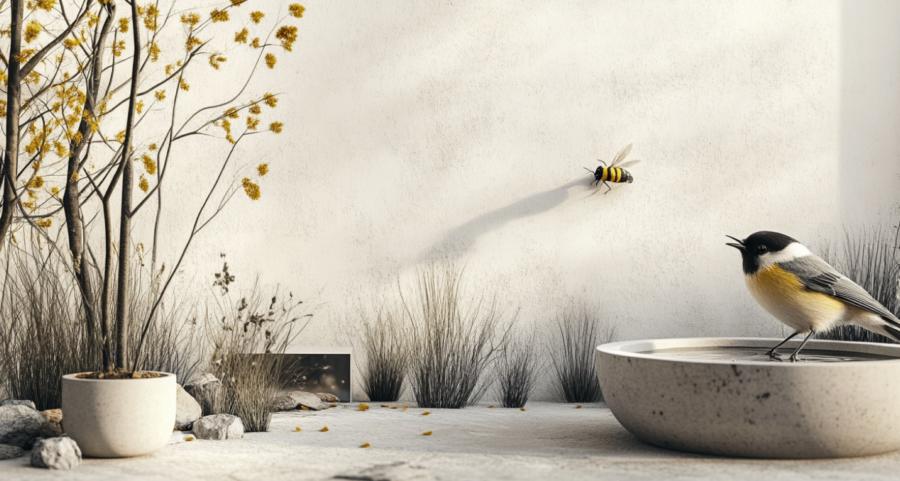 A patio that barely fits a pair of chairs can still host enough wildlife drama to rival a nature documentary—minus the ominous soundtrack. With a few intentional choices, even the most modest outdoor nook can become a lively refuge for birds, bees, and helpful insects searching for reliable lodgings that don't involve your kitchen.
Plant Choices with Purpose
Selecting native plants is the easiest way to signal to local wildlife that your patio is open for business. These plants provide familiar pollen, nectar, and shelter, and they don't demand the horticultural equivalent of a personal assistant. A modest assortment can create the sensation of abundance even when you're working with square footage that feels more like a polite suggestion than an actual garden.If you're unsure where to start, look for compact shrubs, sun-loving perennials, or vertical growers that don't mind sharing tight quarters. Variety helps—some insects prefer tubular flowers, others flat landing pads, and birds appreciate plants that produce berries or seeds. Before long, the place may feel less like a patio for humans and more like a pop-up wildlife café with a rotating guest list.
Water Features in Miniature
A full pond is unnecessary. A simple shallow dish of water or a tiny bubbling fountain can turn a quiet corner into a hub of activity. Birds may stop by for a sip or a spirited splash, and bees will appreciate a safe drinking spot—though they do insist on landing stones or pebbles so they don't inadvertently take an unplanned bath.These features add ambient sound and movement, but they also give you an excuse to fuss over something that isn't a houseplant silently judging your watering schedule. Keep the water clean, refresh it regularly, and avoid deep containers that turn hydration into a competitive sport.
Layered Structure for Urban Wildlife
Even tiny spaces benefit from structural diversity. Think of it as building a miniature neighborhood where everyone gets a place to perch, hide, or raise a family—without sending you an invoice.- Tall elements like compact trees or slim trellised climbers offer vantage points for birds.
- Medium-height shrubs or pots create shelter and foraging zones.
- Ground-level planters or creeping plants provide territory for insects seeking cool, shaded cover.
Seasonal Thinking for a Year-Round Haven
Wildlife doesn't disappear when summer ends; it simply adjusts its expectations. Offering something in every season keeps your space relevant in the broader ecological gossip network. Early-flowering plants support pollinators waking up groggy and hungry. Summer brings the busiest traffic, so abundant nectar is appreciated. Autumn berries and seed heads give birds a reason to linger, and leaving a few dried stems through winter provides shelter for insects that prefer not to book flights to warmer climates.Rotating a few containers through the year helps maintain visual interest for you and consistent resources for wildlife. It's also a gentle reminder that even small gardens can follow an annual rhythm that doesn't revolve entirely around when you remembered to buy compost.
Creating Hideouts and Homes
While it's admirable to imagine wildlife boldly parading across your patio, most species prefer at least a hint of privacy. A compact hedging shrub, a planter positioned strategically near a wall, or even an untidy corner (your secret is safe) can give creatures the security they need to stick around.Supplemental homes—bee hotels, bird boxes, or bundles of hollow stems—can work beautifully when placed correctly. Just resist the urge to turn the setup into an architectural showcase; wildlife rarely offers design critique, and simpler structures are usually more functional.
Feeding Without Overdoing It
While native plants provide most of what visitors need, occasional extras can help. A small bird feeder or a scattering of nectar-rich annuals might be enough to entice timid species. The key is moderation. A tiny space can quickly become an all-you-can-eat buffet that leads to quarrels you never intended to moderate.- Use feeders that are easy to clean.
- Avoid sugary supplements for insects—flowers do the job.
- Position everything to discourage uninvited guests with suspiciously long tails.
Wing It and See What Happens
When your patio begins to buzz, flutter, chirp, and rustle, you'll know the experiment is working. What started as a few pots and a water dish can evolve into a haven where birds rehearse morning routines, bees discuss nectar quality, and beetles go about their business with immense determination. Some days the scene feels peaceful; other days it resembles a busy transit hub with more wings than etiquette.There's delight in watching a modest outdoor nook become a functioning ecosystem. It doesn't require sweeping views or sprawling acreage to foster life—just considered choices, a willingness to share the space, and the occasional moment of wonder when an unexpected visitor pauses to enjoy the sanctuary you've created.
Article kindly provided by tayloredgardens.co.uk
Latest Articles
- Why Your Boiler Sounds Different in Summer Than It Does in Winter
- Case Study: Patio Installation Costs in Newcastle
- Why Your Garden Could Be the Most Underrated Fitness Space You Own
- The Hidden Costs of Ignoring Tree Stumps After Felling
- How Much Does a New Roof Cost in Portsmouth? 2026 Pricing Guide
- Choosing the Right Hot Water System for the Way You Actually Live
- Why Beautiful Homes Sometimes Feel Uncomfortable to Live In
- Why Some Homes Always Feel Brighter Without Adding More Windows
- Why Some Roof Leaks Only Appear During Wind-Driven Rain
- Why the Most Memorable Rooms Usually Have One Thing That Feels Unexpected
- Case Study - How Much Does a New Roof Cost in Harrogate?
- Case Study - How Much Does Block Paving Cost in Derby?
- Solar Power: What Happens to Your Energy After Sunset?
- Why Your Windows Could Be Costing You More Than Your Boiler
- Choosing the Right Bit for Wood, Metal, Masonry and More
- Outdoor Furniture Survival Rules for Tropical Weather
- The Psychology of Home Heating: Why Some Houses Always Feel Cold
- Why Kitchen Cabinets Fail Long Before They Should
- Why Your Front Door Suddenly Becomes Hard to Lock
- The Psychology of Letting Go: Why It's So Hard to Clear Out a Home
- Interior Design
- Home Improvement
- Gardening
- Home Organization
- Home Maintenance
- DIY Crafts
- Kitchen and Dining
- Bathroom Design
- Home Security
- Home Automation
- Green Living
- Home Office
- Home Decor
- Garden Design
- Pet Care
- Home Technology
- Landscaping
- Home Energy Efficiency
- Home Cleaning
- Home Safety
- Home Exterior
- Home Insulation
- Home Buying
- Home Selling
- Renting
- Tradespeople
- Garage
- Bedroom
- Painting and Decorating
- Plumbing and Drainage