

Before You Hire a Handyman, Photograph the Problem Properly
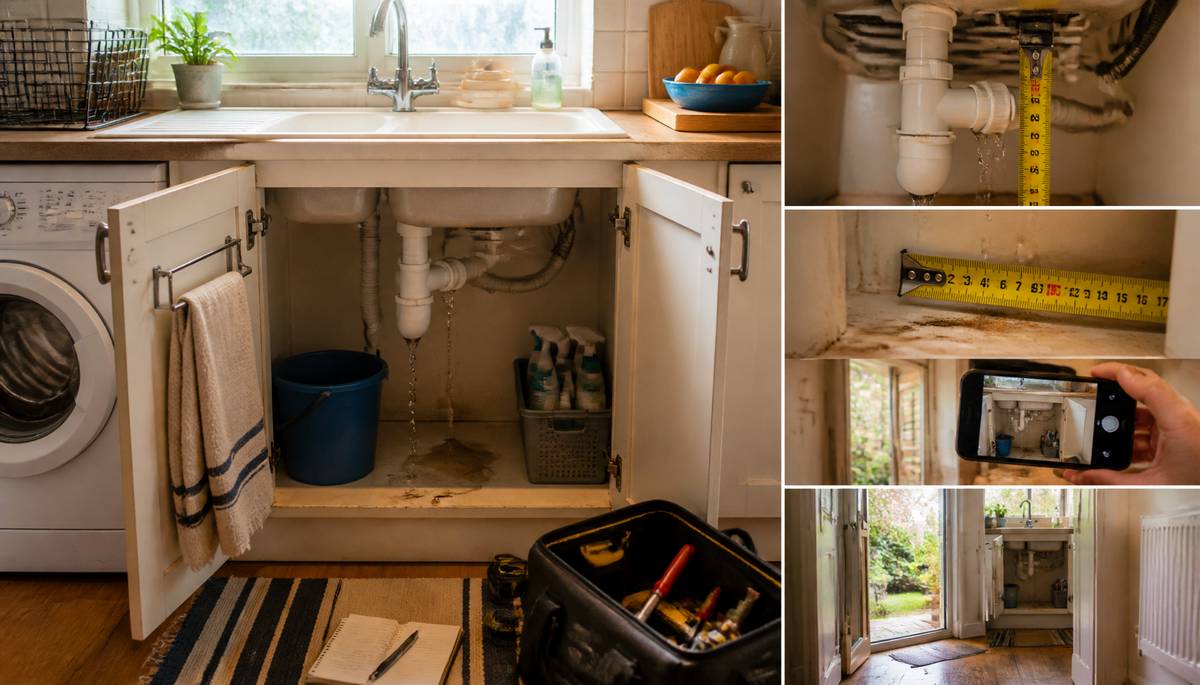 A blurry close-up of a cracked wall can be strangely dramatic, but it rarely tells a handyman what needs doing. It might show a fissure, a damp patch or an area that has lost an argument with a wardrobe. What it does not show is the room, the scale of the problem, the nearby pipework, or whether there is any realistic way to reach it without balancing on a ladder beside a grand piano.
Good photographs are one of the simplest ways to obtain a more useful estimate before anyone visits. They help a handyman judge the likely work, bring suitable materials and tools, and spot complications early. That can mean fewer back-and-forth messages, fewer wasted journeys and less chance of hearing the mildly ominous phrase, “I’ll need to come back with something else.”
Start Wide Then Move Closer
Take at least one photograph that shows the entire area around the issue. If a door will not close, photograph the whole door, its frame and the floor beneath it. If a cupboard hinge is loose, show the full cupboard rather than only the hinge in extreme close-up. Context often reveals the cause: a door may be catching because the frame has shifted, while a hinge may have pulled away because the surrounding board has deteriorated.Then add closer photographs that show the damage itself. Include one from straight ahead and, where useful, one from the side. Side angles can reveal depth, warping, movement and gaps that disappear in a flat image. A photograph of a shelf leaning slightly may be more informative than twelve pictures of the screw that has already made its escape.
Give the Problem Some Scale
Measurements save guesswork. Use a tape measure where possible and photograph it beside the affected item. For a broken fence panel, measure its width and height. For a damaged tile, record the tile dimensions and the size of the missing section. For a curtain rail, measure the overall span, not merely the area where it has detached from the wall.If a tape measure is not available, an ordinary object can offer rough scale, but it is a second-best solution. A coin beside a hole may help; a distant slipper at the other end of the room generally will not. Written measurements in your message are still important, especially when an exact replacement part or length of material may be needed.
Show What the Camera Usually Misses
Access matters as much as damage. Photograph narrow staircases, awkward corners, high ceilings, enclosed patios and anything that could affect how the work is carried out. If a repair is outside, show the route from the driveway or gate to the affected area. A handyman may need to know whether a ladder can be carried through, whether parking is nearby, and whether a large sheet of timber can make the journey without being folded into modern art.If the issue involves plumbing, electrics, heavy furniture or a concealed fitting, include the nearby surroundings. The first useful photograph is rarely the only one.
Capture the Item in Context
When something needs replacing, photograph the whole item as well as its damaged section. A broken drawer runner may look simple until it becomes clear that it belongs to a corner unit with a non-standard fitting. A damaged light fitting might require a particular mounting plate, while a loose tap handle could be part of a model that has been quietly discontinued since the days when every kitchen had a fruit bowl made of wire.Include labels, brand names, model numbers and any markings that can be read clearly. If there is an existing receipt, manual or spare component, mention that too. These details give the handyman a stronger chance of identifying compatible parts before arriving, rather than discovering that the required washer is apparently available only from a mysterious warehouse three counties away.
Explain What Happened and When
Photographs work best alongside a short, plain description. State what is wrong, when you first noticed it and whether the issue has changed. A crack that appeared last week after heavy rain is different from one that has remained unchanged for several years. A dripping pipe that occurs only when the washing machine runs is also rather more useful information than “water thing under sink.”Be honest about anything relevant that happened beforehand. If the shelf came down after being loaded with old textbooks, kitchen appliances and a box labelled “miscellaneous cables,” say so. A clear account helps the handyman assess whether a straightforward repair is sensible or whether the underlying support needs attention.
Make the Estimate Easier to Trust
Useful images do not guarantee a final price before an inspection, particularly where hidden damage may be involved. They do, however, allow a handyman to provide a more realistic estimate of labour, materials and likely time. They can also help establish whether the job is suitable for a handyman or whether it requires a qualified electrician, plumber, roofer or another specialist.This is especially important for work involving electrical wiring, gas appliances, significant water leaks, structural movement or signs of mould. Photographs can help communicate the concern, but they should not encourage anyone to treat a serious safety issue as a small weekend repair. If there is immediate danger, such as sparking, a gas smell or substantial flooding, seek appropriate urgent professional help.
A Better Picture of the Job
A few well-chosen photographs turn a vague household problem into a job that can be understood before the toolbox is opened. Show the whole area, the close detail, the measurements, the access route and the item in context. Add a concise explanation, including anything unusual that may affect the repair.That small effort can make the first visit far more productive. The handyman is more likely to arrive with the right expectations, the right equipment and, ideally, the right replacement part. Your leaking tap, crooked gate or rebellious cupboard door may still have opinions, but at least everyone will know what they are dealing with.
Article kindly provided by glasgow-handymansolutions.co.uk
Latest Articles
- Before You Hire a Handyman, Photograph the Problem Properly
- The Repair That Reveals Three More Repairs: How to Handle Scope Creep Calmly
- The 'While You're Here' List: Small Jobs That Are Worth Grouping Together
- The Previous Owner's Strange Decisions and How a Handyman Unpicks Them
- The Guest Test for Small Home Repairs
- Why a Door That Still Locks Can Still Be a Security Problem
- The One-Hour Home Audit: Small Defects That Quietly Become Expensive Repairs
- Can a House Be Too Well Insulated? Understanding the Other Half of Low-Energy Design
- Your Roof Needs to Breathe Too: The Link Between Ventilation, Condensation and Hidden Timber Damage
- Why Your Boiler Behaves Perfectly Until the Weather Turns Cold
- Why Roof Age Is Only Part of the Picture
- How HOA Boards Can Catch Pavement Problems Before They Get Expensive
- Why Vacuuming Alone Eventually Stops Making a Carpet Look Clean
- Designing a Garden That Still Works After the Sun Goes Down
- Why Your Boiler Sounds Different in Summer Than It Does in Winter
- Case Study: Patio Installation Costs in Newcastle
- Why Your Garden Could Be the Most Underrated Fitness Space You Own
- The Hidden Costs of Ignoring Tree Stumps After Felling
- How Much Does a New Roof Cost in Portsmouth? 2026 Pricing Guide
- Choosing the Right Hot Water System for the Way You Actually Live
- Interior Design
- Home Improvement
- Gardening
- Home Organization
- Home Maintenance
- DIY Crafts
- Kitchen and Dining
- Bathroom Design
- Home Security
- Home Automation
- Green Living
- Home Office
- Home Decor
- Garden Design
- Pet Care
- Home Technology
- Landscaping
- Home Energy Efficiency
- Home Cleaning
- Home Safety
- Home Exterior
- Home Insulation
- Home Buying
- Home Selling
- Renting
- Tradespeople
- Garage
- Bedroom
- Painting and Decorating
- Plumbing and Drainage