

Why Unoccupied Properties Can Deteriorate Faster Than Occupied Ones
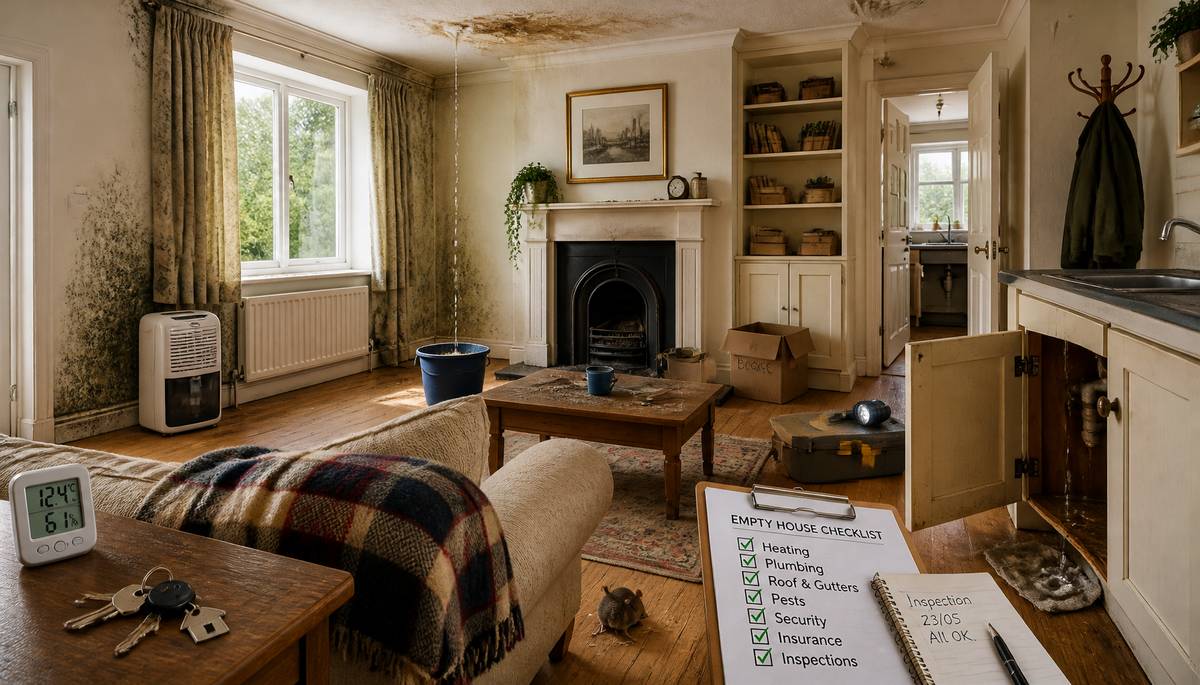 A house left alone for three months can develop more problems than one occupied by a family of five, two dogs and a teenager who regards the bathroom floor as a suitable storage facility for wet towels. It sounds improbable, but regular human activity plays an important role in keeping residential properties healthy. Once the occupants disappear, small maintenance problems can develop unnoticed, sometimes producing repair bills that make the original holiday or extended absence seem remarkably inexpensive by comparison.
Whether a property is awaiting new tenants, undergoing probate, being prepared for sale or simply standing empty while its owners travel, vacancy introduces risks that are easily underestimated. Buildings do not necessarily enjoy having the place to themselves.
When Water Stops Moving, Trouble Starts
Domestic plumbing systems are designed for regular use. When taps, showers and toilets remain untouched for extended periods, water can stagnate inside pipework, storage tanks and appliances. Under suitable conditions, stagnant water may encourage bacterial growth, including organisms associated with Legionnaires" disease.Water held in unused toilet bowls and drainage traps can also gradually evaporate, particularly in warm or poorly ventilated buildings. Once a trap loses its water seal, unpleasant sewer gases may enter the property. Returning home to a mysterious smell resembling an abandoned Victorian laboratory is rarely the welcome anyone anticipates.
Before leaving a property vacant, homeowners should consider isolating the mains water supply where appropriate, while ensuring that heating and other essential systems remain protected. For longer vacancies, professional advice about draining plumbing systems may be sensible. Before occupation resumes, little-used outlets should be flushed carefully, with particular attention to avoiding inhalation of aerosols from showers.
Damp Does Not Need an Invitation
Occupied homes benefit from everyday heating, ventilation and moisture management. Empty properties often receive considerably less attention, allowing condensation and dampness to develop in unexpected places.Cold internal surfaces can attract condensation when humid air encounters them. Poor ventilation may allow moisture to accumulate behind furniture, inside wardrobes and around external walls. Over time, mould growth can damage decorations, furnishings and potentially affect indoor air quality.
Simply opening every window before departure is not a particularly sophisticated solution, especially when the forecast includes horizontal rain and the local burglar has recently developed an interest in property ventilation.
Instead, maintain suitable background heating during colder periods, ensure existing ventilation systems function correctly and investigate any known sources of moisture before leaving. Trickle vents, where fitted, should generally remain operational unless security or weather conditions require otherwise. A dehumidifier may help in certain circumstances, although unattended electrical equipment requires careful consideration of manufacturer guidance and fire safety.
Small Leaks Become Expensive Surprises
A dripping pipe beneath a kitchen sink might remain unnoticed for months in an empty house. What begins as a minor plumbing defect can eventually damage cabinetry, flooring, plasterboard and structural timber.Roof defects and blocked gutters present similar dangers. Rainwater entering through damaged flashing or overflowing drainage can gradually penetrate walls and ceilings, causing extensive deterioration before anyone notices.
Regular inspections are therefore essential. A trusted neighbour, property manager or maintenance professional should periodically check ceilings, plumbing connections, visible pipework, gutters and areas vulnerable to water ingress. Photographic records can help identify changes between visits and provide useful evidence if an insurance claim becomes necessary.
Uninvited Guests With Six Legs or Four
An empty property can become surprisingly attractive to pests. Mice, rats, insects and occasionally birds may exploit gaps around doors, damaged air bricks, roof openings or poorly maintained drainage systems. With nobody around to notice scratching noises, droppings or suspicious activity, infestations can become established before the problem is discovered.Rodents are particularly troublesome because they may damage insulation, contaminate stored belongings and chew electrical wiring. Apparently, the absence of a mortgage does not discourage mice from making substantial alterations to somebody else's property.
Before leaving, remove perishable food, empty rubbish bins, inspect potential entry points and ensure external vegetation is properly maintained. Regular inspections should include loft spaces, cupboards and other areas where pests might establish themselves.
Winter Can Be Particularly Unforgiving
Cold weather introduces additional dangers, especially when an empty property has its heating switched off completely. Frozen water pipes can burst, potentially releasing considerable quantities of water when temperatures rise. Without anyone present to discover the damage, flooding may continue until a neighbour notices water escaping beneath the front door.Maintaining appropriate background heating can reduce freezing risks, although thermostat settings should reflect the building's insulation, exposed pipework and local weather conditions. A frost-protection setting alone may not adequately protect pipes in particularly vulnerable locations.
Boilers should receive appropriate servicing, exposed pipes should be insulated and heating controls should be checked before prolonged absences. Where a property will remain vacant throughout winter, professional winterisation may offer better protection than relying entirely on the central heating system.
Insurance Policies Have Their Own Definition of Empty
Many homeowners discover too late that standard buildings insurance policies contain restrictions concerning unoccupied properties. Insurers may impose additional conditions after a property has remained vacant for a specified period, sometimes as little as thirty consecutive days.Requirements might include regular documented inspections, maintaining heating, draining water systems or notifying the insurer about extended vacancies. Failure to comply could affect the validity of a subsequent claim.
Landlords and homeowners should therefore examine their policy wording before leaving a property empty. Specialist unoccupied property insurance may be necessary, particularly during renovations, probate proceedings or extended periods between tenancies.
Keeping an Empty House From Becoming a Full-Time Problem
Preventative maintenance is considerably easier than repairing months of accumulated damage. Before an extended vacancy, arrange a thorough inspection, clear gutters, test heating equipment, secure doors and windows, and check that smoke alarms remain operational.Consider installing suitable water leak detectors, temperature monitors or remotely accessible security equipment. These devices can provide useful early warnings, although they cannot replace physical inspections. Someone must still investigate when an alarm announces that the kitchen has developed an indoor swimming pool.
Establish a clear inspection schedule and keep written records of visits, maintenance work and any problems discovered. For rental properties, a reliable property manager can coordinate inspections and arrange repairs before relatively minor defects become expensive emergencies.
Home Alone Is Not Always a Happy Ending
An unoccupied house is not necessarily a neglected house, but it requires a different approach to maintenance. Without the everyday observations of residents, problems that would ordinarily be discovered within hours can remain hidden for weeks.The most effective protection combines preparation, regular inspections, sensible temperature management and appropriate insurance. A little attention during an absence can preserve both the property's condition and its owner's finances.
After all, the ideal homecoming involves putting the kettle on, opening the curtains and settling back into familiar surroundings. Discovering that the local mouse population has established a thriving residential community is considerably less appealing.
Article kindly provided by javelininvestments.co.uk
Latest Articles
- Why Unoccupied Properties Can Deteriorate Faster Than Occupied Ones
- Could That Beautiful Tree Be Quietly Damaging Your House?
- What Scotland's Relentless Rain Can Reveal About Your Home's Plumbing
- Window Privacy: Why Being Invisible During the Day Doesn't Mean You're Invisible at Night
- Why Plumbing Problems Behave Differently in Older Tenement Buildings
- Is Your Bed Frame Making Your Mattress Work Harder?
- Before You Hire a Handyman, Photograph the Problem Properly
- The Repair That Reveals Three More Repairs: How to Handle Scope Creep Calmly
- The 'While You're Here' List: Small Jobs That Are Worth Grouping Together
- The Previous Owner's Strange Decisions and How a Handyman Unpicks Them
- The Guest Test for Small Home Repairs
- How Long Should a Dishwasher Last, and When Is Repair the Better Choice?
- Why Is My Washing Machine Shaking So Much?
- The Weight Test: What Your Wall Can Really Hold
- Why a Door That Still Locks Can Still Be a Security Problem
- The One-Hour Home Audit: Small Defects That Quietly Become Expensive Repairs
- Can a House Be Too Well Insulated? Understanding the Other Half of Low-Energy Design
- Your Roof Needs to Breathe Too: The Link Between Ventilation, Condensation and Hidden Timber Damage
- Why Your Boiler Behaves Perfectly Until the Weather Turns Cold
- Why Roof Age Is Only Part of the Picture
- Interior Design
- Home Improvement
- Gardening
- Home Organization
- Home Maintenance
- DIY Crafts
- Kitchen and Dining
- Bathroom Design
- Home Security
- Home Automation
- Green Living
- Home Office
- Home Decor
- Garden Design
- Pet Care
- Home Technology
- Landscaping
- Home Energy Efficiency
- Home Cleaning
- Home Safety
- Home Exterior
- Home Insulation
- Home Buying
- Home Selling
- Renting
- Tradespeople
- Garage
- Bedroom
- Painting and Decorating
- Plumbing and Drainage