

Why Roof Age Is Only Part of the Picture
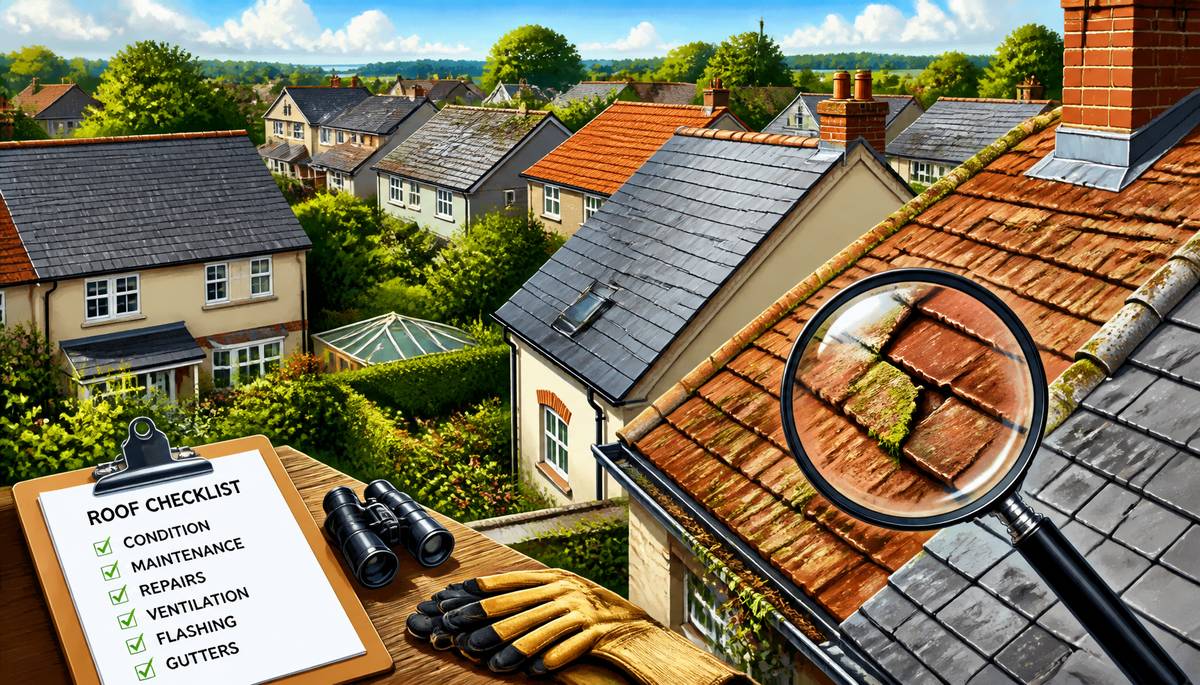 A roof does not wake up on its thirtieth birthday, stretch its rafters and announce that it would now like to be replaced. Age matters, certainly, but treating it as the decisive measure of a roof's remaining life can be misleading. Two roofs installed in the same year can reach remarkably different conditions decades later, depending on what they are made from, how they were fitted and what has happened to them since.
For homeowners, this means an ageing roof should usually be judged as a physical structure rather than a date on a calendar. Its condition tells a much richer story.
Different Materials Age at Different Speeds
Roofing materials have very different expected lifespans. Natural slate, for example, can remain serviceable for many decades when it is of good quality and properly installed. Concrete and clay tiles behave differently again, while felt, membranes and other flat-roofing systems have their own patterns of deterioration.Even within one category, quality varies. Two apparently identical tiled roofs may have been constructed using products from different manufacturers, different battens, different fixings and different underlays. One may still be performing admirably while its neighbour has developed enough little problems to keep a roofer's diary pleasantly occupied.
This is why broad statements such as "that type of roof lasts thirty years" should be treated as useful guidance rather than an expiry date. Expected lifespan is an average or reasonable estimate, not a timer secretly counting down beneath the chimney.
Installation Can Matter as Much as Material
Excellent roofing materials cannot entirely compensate for poor workmanship. Incorrectly positioned tiles, inadequate fixings, badly installed flashing or weaknesses around valleys and penetrations may shorten the useful life of a roof considerably.Conversely, careful installation can give roofing materials the best possible chance of reaching or even exceeding their expected lifespan. Details matter because roofs are systems. Tiles or slates shed most of the rain, but flashing, underlays, gutters, fixings, ventilation and drainage arrangements all contribute to keeping the building protected.
Problems created during installation may remain hidden for years. A slightly questionable detail around a chimney might survive ordinary rainfall perfectly well, only revealing itself after repeated exposure to driving rain. The roof has not suddenly become "too old"; a longstanding weakness has simply become visible.
Weather Does Not Treat Every Roof Equally
Location can dramatically influence ageing. A sheltered roof surrounded by neighbouring buildings may experience a relatively gentle existence. Another roof of exactly the same age might spend decades being battered by coastal winds, intense sunlight, heavy rain or repeated freeze-thaw cycles.Orientation matters too. Different slopes on the same building can weather at different rates because their exposure to sun, prevailing wind and moisture varies. Moss growth may be heavier on one side, while another section receives the full force of storms. Even a single roof can therefore have several different "ages" in practical terms.
That makes the number of years since installation useful information, but only one clue among many. The more revealing question is not simply "How old is it?" but "How well has it survived those years?"
Maintenance Changes the Ageing Process
A roof that receives occasional attention is likely to have a very different history from one that has been ignored since installation. Maintenance does not mean constantly interfering with perfectly sound materials. Often it simply means dealing with small defects before water, wind and time turn them into expensive ones.Blocked gutters, cracked mortar, displaced tiles, damaged flashing and accumulated debris can all place additional strain on a roof. A single slipped tile may be straightforward to correct when discovered early. Leave it through several winters and water may find its way into areas that were never intended to become indoor swimming facilities.
Regular visual checks are particularly useful after severe weather. Homeowners can often spot obvious changes safely from ground level, including missing tiles, sagging guttering or pieces of roofing material that have made an unscheduled appearance on the lawn.
Previous Repairs Deserve a Closer Look
Repairs can extend the useful life of an ageing roof considerably, but their quality matters. A properly executed repair that addresses the underlying cause of a problem is very different from a temporary patch applied simply to stop water appearing on the ceiling.When assessing an older roof, it is therefore useful to consider its repair history. Repeated work in the same location may suggest a problem that has never been fully resolved. Numerous isolated repairs across the entire roof can also indicate that materials or fixings are deteriorating more generally.
That does not automatically mean replacement is necessary. Older roofs often contain a mixture of original and replacement materials and continue functioning perfectly well. What matters is whether repairs have restored reliable performance or merely persuaded the problem to return wearing a different hat.
Condition Provides the Strongest Evidence
Visible deterioration is usually more informative than age alone. Homeowners should watch for recurring leaks, widespread cracked or slipped tiles, significant sagging, deteriorated flashing, persistent dampness in the roof space and daylight appearing where daylight has no business appearing.Some warning signs require professional investigation because the important damage may not be visible externally. Persistent moisture can affect battens, decking and structural timber beneath the roof covering. Where there are concerns about movement, extensive water ingress or structural deterioration, an appropriate roofing professional should assess the roof rather than relying on its estimated age.
Equally, a roof should not be condemned merely because it looks weathered. Surface staining, moss or faded materials can make a roof appear ancient without necessarily indicating failure. A slightly elderly appearance is not a structural diagnosis. Humans would probably appreciate the same courtesy.
Replacement Should Solve a Problem
Eventually, every roof reaches a point where continuing repairs become uneconomical or where deterioration is too widespread to justify piecemeal work. Replacement may make sense when failures are recurring, large areas have deteriorated, the underlying structure needs substantial attention or repairs are becoming increasingly frequent.The decision is stronger when based on evidence rather than an arbitrary anniversary. An inspection can distinguish between localised defects and broader deterioration, helping homeowners understand whether they are looking at a repairable roof or one approaching the end of its practical service life.
Don't Put a Lid on It Too Soon
An ageing roof deserves attention, but age itself is not a defect. Materials, workmanship, exposure, maintenance and previous repairs combine to determine how successfully a roof continues to perform. One twenty-five-year-old roof may need significant work while another of the same vintage has years of reliable service remaining.Judging what is actually happening above the ceiling is therefore more useful than counting birthdays. Look for changes, investigate recurring problems and take significant deterioration seriously. A roof's installation date provides valuable context, but its present condition provides the evidence.
Article kindly provided by roofrepairsinsouthport.co.uk
Latest Articles
- Why Plumbing Problems Behave Differently in Older Tenement Buildings
- Is Your Bed Frame Making Your Mattress Work Harder?
- Before You Hire a Handyman, Photograph the Problem Properly
- The Repair That Reveals Three More Repairs: How to Handle Scope Creep Calmly
- The 'While You're Here' List: Small Jobs That Are Worth Grouping Together
- The Previous Owner's Strange Decisions and How a Handyman Unpicks Them
- The Guest Test for Small Home Repairs
- How Long Should a Dishwasher Last, and When Is Repair the Better Choice?
- Why Is My Washing Machine Shaking So Much?
- The Weight Test: What Your Wall Can Really Hold
- Why a Door That Still Locks Can Still Be a Security Problem
- The One-Hour Home Audit: Small Defects That Quietly Become Expensive Repairs
- Can a House Be Too Well Insulated? Understanding the Other Half of Low-Energy Design
- Your Roof Needs to Breathe Too: The Link Between Ventilation, Condensation and Hidden Timber Damage
- Why Your Boiler Behaves Perfectly Until the Weather Turns Cold
- Why Roof Age Is Only Part of the Picture
- How HOA Boards Can Catch Pavement Problems Before They Get Expensive
- Why Vacuuming Alone Eventually Stops Making a Carpet Look Clean
- Designing a Garden That Still Works After the Sun Goes Down
- Why Your Boiler Sounds Different in Summer Than It Does in Winter
- Interior Design
- Home Improvement
- Gardening
- Home Organization
- Home Maintenance
- DIY Crafts
- Kitchen and Dining
- Bathroom Design
- Home Security
- Home Automation
- Green Living
- Home Office
- Home Decor
- Garden Design
- Pet Care
- Home Technology
- Landscaping
- Home Energy Efficiency
- Home Cleaning
- Home Safety
- Home Exterior
- Home Insulation
- Home Buying
- Home Selling
- Renting
- Tradespeople
- Garage
- Bedroom
- Painting and Decorating
- Plumbing and Drainage