

What Lies Beneath: Why Every Homeowner Should Have a Map of Their Drains
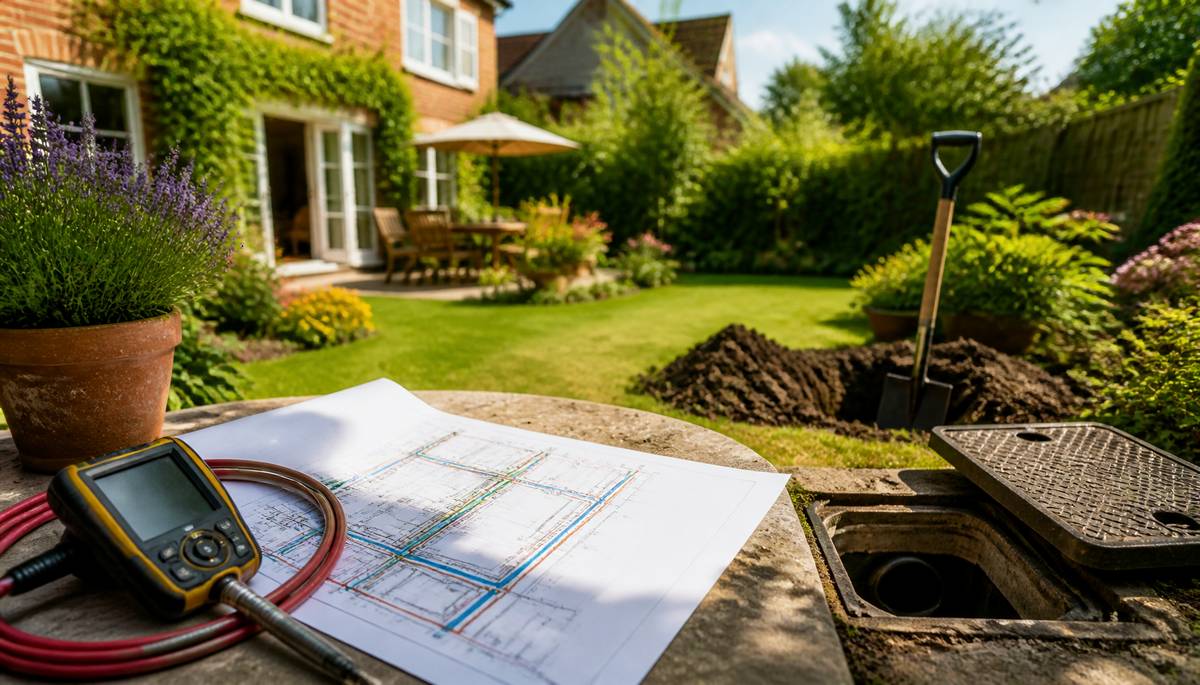 Your garden may be concealing an extensive network of underground pipes that you know considerably less about than your neighbour's questionable taste in garden ornaments. Unlike those ornaments, however, your drainage system serves an important purpose. Knowing where your drains run, where they connect to the sewer and how they can be accessed could save you thousands of pounds and considerable inconvenience.
Despite the importance of underground drainage, many homeowners have little idea what lies beneath their property. Pipes remain largely forgotten until something backs up, overflows or produces a smell that makes opening the kitchen window a regrettable decision.
Getting to Know Your Underground Network
A drainage map provides a visual representation of the pipes, inspection chambers, manholes and sewer connections serving your property. A detailed survey may also identify pipe materials, diameters, depths, connections and the direction of water flow.Older properties can have particularly complicated drainage arrangements. Previous owners may have built extensions, relocated bathrooms or installed additional plumbing without retaining accurate records. Some properties also share drainage infrastructure with neighbouring homes, creating additional considerations regarding access, maintenance and responsibility.
Professional drainage mapping can establish the location of underground pipes using CCTV cameras, electronic tracing equipment and other surveying techniques. This provides valuable information without requiring someone to excavate your entire lawn like an archaeologist with an unusually generous research budget.
Before You Put a Spade in the Ground
Building an extension without understanding the location of underground drainage can lead to significant complications. Foundations may interfere with existing pipes, while newly constructed walls could restrict access to inspection chambers. Building over or close to a public sewer may also require approval from the relevant water company.Even relatively modest garden improvements deserve consideration. Installing fence posts, constructing a summerhouse, digging a pond or planting substantial trees can damage underground drainage or make future maintenance difficult.
Having an accurate drainage plan allows homeowners, architects and contractors to identify potential conflicts before construction begins. Adjusting the position of a proposed garden structure on paper costs virtually nothing. Moving it after somebody has poured several tonnes of concrete is an altogether different financial experience.
Landscaping Without Creating a Drainage Nightmare
Landscaping can dramatically alter how water moves around a property. Replacing grass with paving, changing ground levels or removing established vegetation may increase surface water runoff and place additional pressure on existing drainage systems.Knowing where surface water drains and soakaways are located helps homeowners make informed decisions about garden design. Permeable paving, strategically positioned planting beds and appropriate ground slopes can all contribute towards effective water management.
Inspection chambers should also remain accessible. Covering one with an enormous ornamental rock might improve the appearance of your garden, but its aesthetic qualities will quickly lose their appeal during a drainage emergency.
Taking the Guesswork Out of Emergency Repairs
When a drain becomes blocked or damaged, identifying the affected section of pipe is an important first step. An accurate drainage map can help contractors locate suitable access points and establish which parts of the system require investigation.This information can also help distinguish between problems affecting individual properties and those involving shared drainage infrastructure. Establishing responsibility for repairs can prevent unnecessary expenditure and potentially lengthy disputes between neighbours.
Drainage records are particularly valuable when dealing with recurring problems. Recording previous blockages, repairs and inspections can help identify patterns that might otherwise go unnoticed.
Giving Drainage Plans a Permanent Home
Most homeowners retain copies of property deeds, electrical certificates, boiler warranties and planning permissions. Drainage plans deserve a place among these documents.Keep both digital and printed copies of your drainage survey, updating them whenever significant alterations are made. These records can also be passed on to future owners, providing useful information that might otherwise take considerable time and money to rediscover.
A potential buyer may appreciate knowing precisely where the drains run, particularly if they have ambitious plans for extending the property.
A Sound Investment Down the Pipeline
Drainage mapping is rarely the most exciting item on a homeowner's wish list. It lacks the immediate satisfaction of a new kitchen or beautifully landscaped garden. Nevertheless, understanding your property's underground infrastructure protects the investments you make above ground.A comprehensive drainage plan is a relatively straightforward precaution that can remain useful for decades. After all, property ownership comes with enough unpleasant surprises without deliberately leaving some buried beneath the patio.
Article kindly provided by expressdrainagesolutions.co.uk
Latest Articles
- What Lies Beneath: Why Every Homeowner Should Have a Map of Their Drains
- Why Your Flooring Looks Different at Night: The Surprising Influence of Artificial Lighting
- Resin Bound Driveways in St Albans: Sub-Base, Drainage and Real Costs
- The Strange Things You Can Discover About Your House from Old Maps
- Why Unoccupied Properties Can Deteriorate Faster Than Occupied Ones
- Could That Beautiful Tree Be Quietly Damaging Your House?
- What Scotland's Relentless Rain Can Reveal About Your Home's Plumbing
- Window Privacy: Why Being Invisible During the Day Doesn't Mean You're Invisible at Night
- Why Plumbing Problems Behave Differently in Older Tenement Buildings
- Is Your Bed Frame Making Your Mattress Work Harder?
- Before You Hire a Handyman, Photograph the Problem Properly
- The Repair That Reveals Three More Repairs: How to Handle Scope Creep Calmly
- The 'While You're Here' List: Small Jobs That Are Worth Grouping Together
- The Previous Owner's Strange Decisions and How a Handyman Unpicks Them
- The Guest Test for Small Home Repairs
- How Long Should a Dishwasher Last, and When Is Repair the Better Choice?
- Why Is My Washing Machine Shaking So Much?
- The Weight Test: What Your Wall Can Really Hold
- Why a Door That Still Locks Can Still Be a Security Problem
- The One-Hour Home Audit: Small Defects That Quietly Become Expensive Repairs
- Interior Design
- Home Improvement
- Gardening
- Home Organization
- Home Maintenance
- DIY Crafts
- Kitchen and Dining
- Bathroom Design
- Home Security
- Home Automation
- Green Living
- Home Office
- Home Decor
- Garden Design
- Pet Care
- Home Technology
- Landscaping
- Home Energy Efficiency
- Home Cleaning
- Home Safety
- Home Exterior
- Home Insulation
- Home Buying
- Home Selling
- Renting
- Tradespeople
- Garage
- Bedroom
- Painting and Decorating
- Plumbing and Drainage