

Why Is My Washing Machine Shaking So Much?
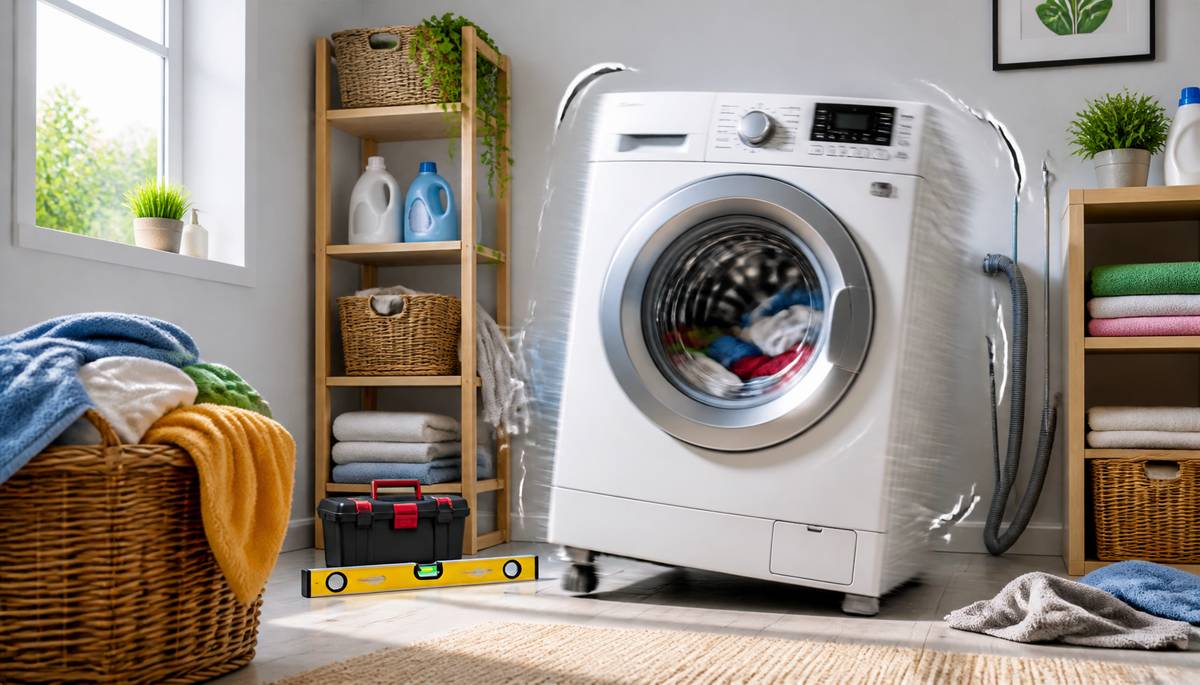 A washing machine is meant to spin clothes, not audition for a role as a small domestic earthquake. Some vibration during a fast spin cycle is completely normal, particularly with heavier loads. However, repeated banging, dramatic side-to-side movement or an appliance that inches across the utility room is a sign that something needs attention. Ignoring it can damage the machine, strain pipe connections and turn an otherwise calm laundry day into a surprisingly physical event.
Normal Movement Versus a Genuine Problem
A little noise and vibration are expected when the drum reaches high speed. Wet fabric becomes heavy, and water is not famous for distributing itself evenly. The machine may hum, shake slightly or become louder during its final spin. That is generally nothing to worry about.The situation is different if the drum repeatedly thumps against the cabinet, the appliance moves from its original position, or the noise is sharp enough to be heard from another room. Stop the machine if it is shaking violently. Continuing the cycle can cause further damage and may loosen the water inlet hose, drain hose or electrical connection.Uneven Loads Are Often the Simplest Answer
One heavy item can throw off the balance of the drum. Bath mats, towels, bedding, trainers and a single large hoodie can bunch together on one side, creating an unbalanced load. The machine then attempts to spin several kilograms of wet fabric as though it were perfectly distributed, with predictably chaotic results.Open the door once the machine has stopped, spread the items more evenly and restart the spin cycle. Adding a few similar items can sometimes help balance a very small load, while removing an excessively heavy item may be better for the machine. Washing one large towel by itself may seem efficient, but it can turn the drum into a rather committed pendulum.Check Whether the Machine Is Level
A washing machine needs a firm, level surface. If one adjustable foot is not making proper contact with the floor, the appliance can rock during spinning and amplify ordinary vibration. This is especially common after moving a machine, replacing flooring or discovering that a tiled floor is not quite as flat as it appears.With the machine switched off, press gently on each top corner. If it rocks, adjust the feet until all four sit securely against the floor. Most machines have lock nuts that should be tightened after adjustment so the feet do not gradually work loose again. A spirit level can help, but a stable machine is the real aim.Uneven flooring may require a sturdy anti-vibration mat or carefully chosen support pads, although these are not a cure for a serious fault. Avoid improvised wedges made from cardboard, folded paper or whatever happened to be nearest the washing basket. They tend to migrate, compress and eventually become part of the problem.
Look for Worn Feet and Internal Support Problems
If the machine is level but still moving excessively, inspect the rubber feet for cracking, flattening or damage. These components help grip the floor and absorb vibration. Replacing worn feet can be a modest repair, particularly if the rest of the machine is working well.More persistent shaking may come from inside the appliance. Washing machines use shock absorbers, springs and counterweights to keep the drum controlled during spinning. Over time, shock absorbers can wear out, springs can weaken and fittings can loosen. A machine with failing internal support parts may bang loudly even with a balanced load and solid footing.Signs of a possible internal issue include:
- Loud knocking that continues with several different loads.
- A drum that feels unusually loose when moved by hand.
- Visible movement of the cabinet during ordinary wash cycles.
- A machine that has recently been transported or installed.
- Grinding, scraping or metallic noises alongside vibration.
Do Not Forget Transport Bolts
A newly installed washing machine that shakes violently from its first cycle may still have its transport bolts fitted. These bolts secure the drum during delivery and must be removed before normal use. Leaving them in place prevents the drum from moving as designed and can cause substantial damage.They are usually located at the rear of the appliance and are explained in the installation instructions. If a machine has been moved house, it is also worth checking whether transport bolts were correctly removed after reinstallation. A washing machine should not need to prove its determination through brute force.Spin Cycle Sense
Most washing machine shaking begins with a straightforward cause: an uneven load, unstable footing or a machine that needs minor adjustment. Checking those basics first can prevent unnecessary call-outs and may restore a peaceful spin cycle within minutes.If the noise is severe, the machine moves across the floor or the drum appears loose, stop using it and seek professional advice. Early repair can prevent a damaged hose, cracked cabinet or more costly internal failure. A washing machine should leave clothes refreshed, not leave the household wondering whether it has quietly developed somewhere else to be.Article kindly provided by glasgow-handymansolutions.co.uk
Latest Articles
- Before You Hire a Handyman, Photograph the Problem Properly
- The Repair That Reveals Three More Repairs: How to Handle Scope Creep Calmly
- The 'While You're Here' List: Small Jobs That Are Worth Grouping Together
- The Previous Owner's Strange Decisions and How a Handyman Unpicks Them
- The Guest Test for Small Home Repairs
- How Long Should a Dishwasher Last, and When Is Repair the Better Choice?
- Why Is My Washing Machine Shaking So Much?
- Why a Door That Still Locks Can Still Be a Security Problem
- The One-Hour Home Audit: Small Defects That Quietly Become Expensive Repairs
- Can a House Be Too Well Insulated? Understanding the Other Half of Low-Energy Design
- Your Roof Needs to Breathe Too: The Link Between Ventilation, Condensation and Hidden Timber Damage
- Why Your Boiler Behaves Perfectly Until the Weather Turns Cold
- Why Roof Age Is Only Part of the Picture
- How HOA Boards Can Catch Pavement Problems Before They Get Expensive
- Why Vacuuming Alone Eventually Stops Making a Carpet Look Clean
- Designing a Garden That Still Works After the Sun Goes Down
- Why Your Boiler Sounds Different in Summer Than It Does in Winter
- Case Study: Patio Installation Costs in Newcastle
- Why Your Garden Could Be the Most Underrated Fitness Space You Own
- The Hidden Costs of Ignoring Tree Stumps After Felling
- Interior Design
- Home Improvement
- Gardening
- Home Organization
- Home Maintenance
- DIY Crafts
- Kitchen and Dining
- Bathroom Design
- Home Security
- Home Automation
- Green Living
- Home Office
- Home Decor
- Garden Design
- Pet Care
- Home Technology
- Landscaping
- Home Energy Efficiency
- Home Cleaning
- Home Safety
- Home Exterior
- Home Insulation
- Home Buying
- Home Selling
- Renting
- Tradespeople
- Garage
- Bedroom
- Painting and Decorating
- Plumbing and Drainage