

Why a Door That Still Locks Can Still Be a Security Problem
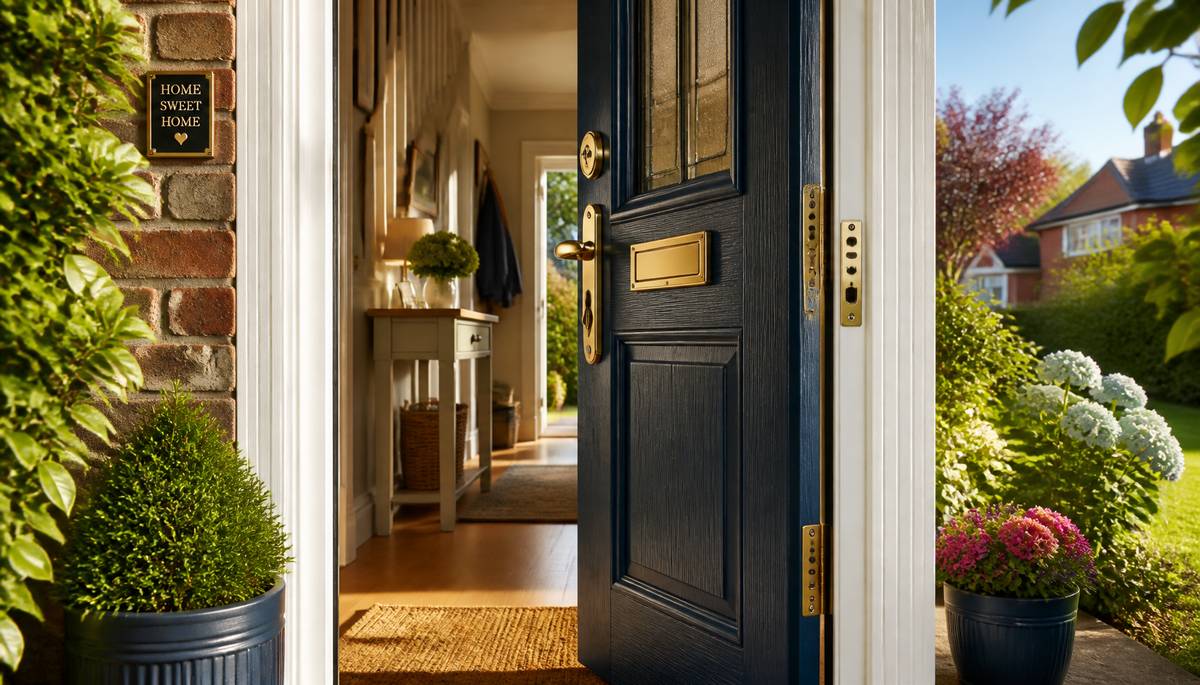 A front door can click shut with the confidence of a bank vault while quietly behaving more like a tired garden gate. The key turns, the handle lifts and everyone goes about their day assuming the job is done. Yet a working lock is only one part of a secure entrance. If the hinges are worn, the frame is split, or the door sits badly in its opening, the lock may be holding on to a structure that is no longer properly supporting it.
This matters because most door faults begin as irritations rather than emergencies. A handle needs a second try. The door must be pushed with a shoulder. There is a draught around one corner. These are easy things to ignore, especially when life contains more pressing concerns than a mildly sulky front door. But small gaps and movement can create weak points that make forced entry easier and eventually leave a household locked out.
A Lock Only Works With What Holds It
When a door locks, its bolts or hooks engage with metal plates fixed to the frame. These plates, often called keeps or strike plates, must be firmly secured and correctly aligned. If the screws have loosened, the surrounding timber has deteriorated, or the door has dropped slightly, the locking points may not sit as deeply as they should.A key can still turn in this situation. That is precisely what makes it deceptive. The lock may be technically engaged, but a hard push or impact can place all the strain on a loose fitting or weakened section of frame. It is rather like fastening a seatbelt to a deckchair: there is a connection, but it is not necessarily the sort one would choose during a difficult moment.
Look closely at the area around the locking points. Cracked paint, widened screw holes, visible movement when the handle is operated, or a plate that looks slightly bent all deserve attention. On uPVC and composite doors, inspect whether the locking points line up cleanly when the handle is lifted. Resistance, scraping or the need to pull the door towards you before locking can indicate misalignment.
Hinges Carry More Weight Than They Appear To
Hinges are less glamorous than locks, which is probably why they receive so little appreciation until one begins making a noise like cutlery in a washing machine. Their purpose is not merely to let a door swing; they keep its weight distributed correctly so that every locking point meets the frame as intended.Worn or loose hinges can allow a door to sag. The first signs are often subtle: the top corner catches, the latch drags, or daylight appears unevenly around the edge. A door that must be lifted to close is not simply being awkward. It is signalling that its geometry has changed.
On external doors, check that hinge screws are tight and that there are no cracks in the surrounding frame. If the door has visibly dropped, do not rely on repeated forcing to make it behave. That can worsen damage to the lock, keeps and frame at the same time.
Frames Can Fail Before They Look Broken
A frame does not need to be visibly shattered to become a security concern. Timber can soften through repeated moisture exposure, while uPVC frames may crack around fittings or flex under pressure. Previous attempts to force a stiff door closed can also damage the areas where the lock engages. By the time a crack becomes obvious, the weakness may have been developing for some time.Check the frame with the door open. Look for splits near the keeps, loose trim, crumbling filler, damp patches and screws that no longer grip properly. On a timber frame, press gently around suspect areas; wood should feel solid, not soft or spongy. There is no prize for discovering your doorframe has adopted the consistency of a breakfast cereal.
Pay attention to gaps as well. A consistent narrow gap around a closed door is normal, but a large gap on one side, especially near the lock, suggests movement or poor alignment. It can also let in draughts and rain, which then help the problem grow while charging no admission fee.
Small Warnings Worth Taking Seriously
A quick monthly check can catch many issues before they become expensive, inconvenient or security-critical. Open and close the door slowly, then lock it without forcing the handle or key. Notice what feels different from usual.- The door catches on the threshold, frame or weather seal.
- The handle feels loose, floppy or unusually stiff.
- The key becomes difficult to turn or must be wiggled into position.
- The door needs lifting, pushing or pulling before it will lock.
- Hinges squeak, show rust, or move when the door is opened.
- There are cracks, splits or visible movement around lock keeps and hinges.
- Light, wind or rain can be felt around the closed door.
Shut the Door on Trouble
A secure entrance depends on the lock, door, hinges, keeps and frame working together. Treating the key as the sole judge of security is understandable, but incomplete. The reassuring click of a lock should be followed by a door that sits squarely, closes smoothly and feels solid in its frame.Where a door has dropped, keeps are loose, or the frame shows damage, arrange a professional inspection rather than trying to compensate with extra force. A timely repair can restore proper alignment and strength before an irritating defect turns into an urgent call made from the wrong side of your own front door.
Article kindly provided by doors-repaired.co.uk
Latest Articles
- Why a Door That Still Locks Can Still Be a Security Problem
- The One-Hour Home Audit: Small Defects That Quietly Become Expensive Repairs
- Can a House Be Too Well Insulated? Understanding the Other Half of Low-Energy Design
- Your Roof Needs to Breathe Too: The Link Between Ventilation, Condensation and Hidden Timber Damage
- Why Your Boiler Behaves Perfectly Until the Weather Turns Cold
- Why Roof Age Is Only Part of the Picture
- How HOA Boards Can Catch Pavement Problems Before They Get Expensive
- Why Vacuuming Alone Eventually Stops Making a Carpet Look Clean
- Designing a Garden That Still Works After the Sun Goes Down
- Why Your Boiler Sounds Different in Summer Than It Does in Winter
- Case Study: Patio Installation Costs in Newcastle
- Why Your Garden Could Be the Most Underrated Fitness Space You Own
- The Hidden Costs of Ignoring Tree Stumps After Felling
- How Much Does a New Roof Cost in Portsmouth? 2026 Pricing Guide
- Choosing the Right Hot Water System for the Way You Actually Live
- Why Beautiful Homes Sometimes Feel Uncomfortable to Live In
- Why Some Homes Always Feel Brighter Without Adding More Windows
- Why Some Roof Leaks Only Appear During Wind-Driven Rain
- Why the Most Memorable Rooms Usually Have One Thing That Feels Unexpected
- Case Study - How Much Does a New Roof Cost in Harrogate?
- Interior Design
- Home Improvement
- Gardening
- Home Organization
- Home Maintenance
- DIY Crafts
- Kitchen and Dining
- Bathroom Design
- Home Security
- Home Automation
- Green Living
- Home Office
- Home Decor
- Garden Design
- Pet Care
- Home Technology
- Landscaping
- Home Energy Efficiency
- Home Cleaning
- Home Safety
- Home Exterior
- Home Insulation
- Home Buying
- Home Selling
- Renting
- Tradespeople
- Garage
- Bedroom
- Painting and Decorating
- Plumbing and Drainage