

Why Your Boiler Behaves Perfectly Until the Weather Turns Cold
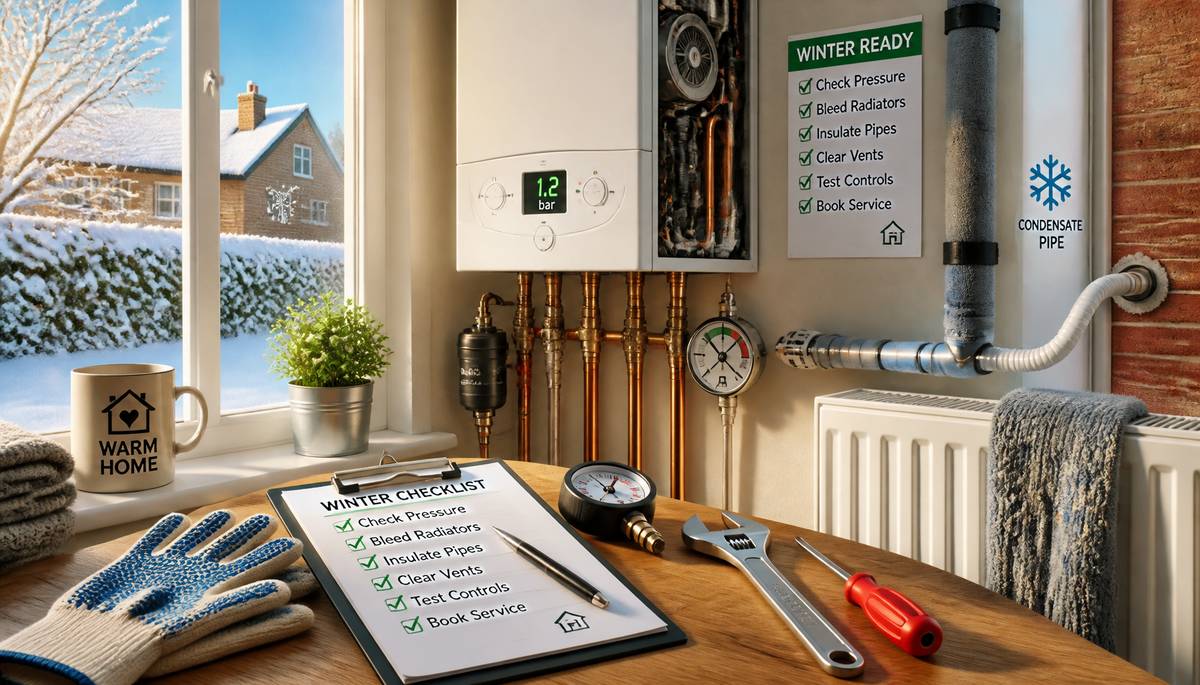 Your boiler may spend autumn impersonating the most dependable appliance in the house, only to stage a small mechanical rebellion on the coldest morning of the year. This is rarely a personal attack, despite the timing. Cold weather simply forces a heating system to work harder, exposing weaknesses that remained invisible when it was only producing hot water or warming the radiators for an hour each evening.
During milder months, a boiler can often cope with worn components, minor pressure loss or restricted circulation. Once temperatures fall, it must operate for longer periods and repeatedly heat water from a colder starting point. Parts that seemed perfectly adequate in October may struggle under January’s heavier workload. It is similar to discovering that a car is wonderfully reliable provided nobody drives it anywhere demanding.
Cold Weather Reveals Hidden Faults
Increased demand can expose problems with pumps, fans, sensors, diverter valves and ignition components. A circulation pump that is beginning to seize may still move enough water during brief heating cycles but fail when asked to run throughout a cold day. Likewise, an ageing fan or temperature sensor may behave intermittently once the boiler becomes hotter and operates for longer.Radiators can also reveal circulation problems. Cold patches may indicate trapped air or accumulated sludge, while some radiators heating more slowly than others can suggest that the system needs balancing. These issues make the boiler work harder to achieve the requested room temperature, increasing strain precisely when reliability matters most.
Unusual noises, repeated resets, fluctuating temperatures and delayed ignition should not be dismissed because the heating eventually comes on. A boiler should not require emotional encouragement, strategic tapping or a household member who “knows the exact trick.” Such behaviour often provides early warning of a developing fault.
When the Condensate Pipe Freezes
Modern condensing boilers produce wastewater that normally drains outside through a condensate pipe. If part of that pipe is exposed to freezing temperatures, the water inside can turn to ice and create a blockage. The boiler then shuts down to protect itself, commonly displaying a fault code or refusing to ignite.A frozen condensate pipe may sometimes be thawed gently using warm water, a hot-water bottle or warm cloths. Never use boiling water, as the sudden temperature change can damage the pipe and create an icy hazard beneath it. If the pipe is inaccessible, the fault remains unclear or freezing keeps recurring, a qualified heating professional should inspect the installation.
Insulating exposed pipework before winter can reduce the risk considerably. Where possible, condensate pipes should also be appropriately sized, kept short and installed with sufficient fall so water drains freely rather than lingering outside and waiting for the weather forecast to become hostile.
Keep an Eye on Boiler Pressure
Cold spells can also coincide with falling boiler pressure. Most sealed heating systems should display a pressure reading within the manufacturer’s recommended range, often somewhere around one to one-and-a-half bar when the system is cold. The correct figure varies, so checking the boiler manual is more useful than trusting somebody online who owns an entirely different model and speaks with tremendous confidence.A small pressure drop over a long period may not indicate a serious problem. However, repeated losses can be caused by leaking radiator valves, pipe joints, pressure-relief valves or internal boiler components. Look around accessible pipework and radiators for dampness, staining or corrosion. Repressurising the system may restore operation, but it should only be done according to the manufacturer’s instructions. Continually topping up a system without investigating the cause merely gives the leak a reliable water supply.
Pressure that rises sharply while the heating is running can indicate an expansion vessel or related component problem. This requires professional attention. Boiler casings should not be removed, and internal gas, electrical or combustion components must be left to a suitably qualified engineer.
Prepare Before the Temperature Drops
Several sensible checks can reduce the likelihood of a midwinter breakdown. Run the central heating briefly before cold weather arrives, even if the house does not yet need much warmth. Confirm that every radiator heats properly, listen for unusual noises and check whether the boiler starts without repeated attempts.Useful preparations include:
- Checking the system pressure while the boiler is cold
- Bleeding radiators that are cold at the top
- Insulating vulnerable condensate pipes
- Keeping external boiler vents and flues unobstructed
- Testing thermostats, timers and smart controls
- Arranging routine servicing before engineers become heavily booked
Avoid Getting Left Out in the Cold
No preparation can guarantee that a boiler will never fail, particularly if it is old or already showing signs of deterioration. Nevertheless, noticing pressure changes, addressing uneven radiators and protecting external pipework can remove several common causes of winter trouble.The important point is that cold weather does not usually create every fault from nothing. More often, it applies enough pressure to reveal a weakness that was already developing. Treating strange noises, recurring fault codes and frequent pressure loss as early warnings gives you the chance to arrange repairs calmly, rather than negotiating with a silent boiler at six in the morning while wearing three jumpers and questioning every decision that led you there.
A little attention before winter can keep the heating dependable when demand reaches its peak. That means fewer emergency call-outs, less disruption and a much smaller chance of your boiler choosing the year’s coldest night to make its chilling final statement.
Article kindly provided by carfordheatingandplumbing.co.uk
Latest Articles
- Why Unoccupied Properties Can Deteriorate Faster Than Occupied Ones
- Could That Beautiful Tree Be Quietly Damaging Your House?
- What Scotland's Relentless Rain Can Reveal About Your Home's Plumbing
- Window Privacy: Why Being Invisible During the Day Doesn't Mean You're Invisible at Night
- Why Plumbing Problems Behave Differently in Older Tenement Buildings
- Is Your Bed Frame Making Your Mattress Work Harder?
- Before You Hire a Handyman, Photograph the Problem Properly
- The Repair That Reveals Three More Repairs: How to Handle Scope Creep Calmly
- The 'While You're Here' List: Small Jobs That Are Worth Grouping Together
- The Previous Owner's Strange Decisions and How a Handyman Unpicks Them
- The Guest Test for Small Home Repairs
- How Long Should a Dishwasher Last, and When Is Repair the Better Choice?
- Why Is My Washing Machine Shaking So Much?
- The Weight Test: What Your Wall Can Really Hold
- Why a Door That Still Locks Can Still Be a Security Problem
- The One-Hour Home Audit: Small Defects That Quietly Become Expensive Repairs
- Can a House Be Too Well Insulated? Understanding the Other Half of Low-Energy Design
- Your Roof Needs to Breathe Too: The Link Between Ventilation, Condensation and Hidden Timber Damage
- Why Your Boiler Behaves Perfectly Until the Weather Turns Cold
- Why Roof Age Is Only Part of the Picture
- Interior Design
- Home Improvement
- Gardening
- Home Organization
- Home Maintenance
- DIY Crafts
- Kitchen and Dining
- Bathroom Design
- Home Security
- Home Automation
- Green Living
- Home Office
- Home Decor
- Garden Design
- Pet Care
- Home Technology
- Landscaping
- Home Energy Efficiency
- Home Cleaning
- Home Safety
- Home Exterior
- Home Insulation
- Home Buying
- Home Selling
- Renting
- Tradespeople
- Garage
- Bedroom
- Painting and Decorating
- Plumbing and Drainage