

Why Vacuuming Alone Eventually Stops Making a Carpet Look Clean
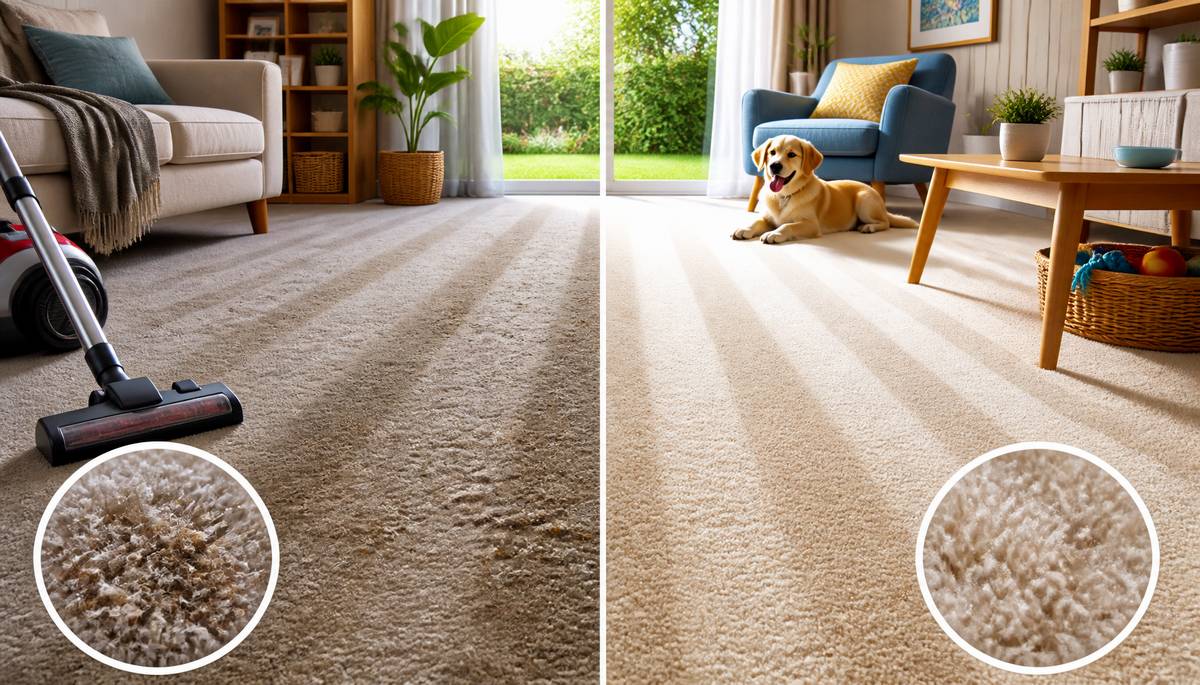 A carpet can reach a peculiar stage in its life where the vacuum cleaner is clearly doing something, yet nobody would confidently describe the result as clean. The crumbs disappear, the mysterious bit of fluff near the sofa finally surrenders, and the neat vacuum lines briefly suggest that everything is under control. Then the light catches the carpet from another angle and reveals a dull, slightly tired surface that seems unimpressed by all that effort.
This happens because vacuuming and deep cleaning perform different jobs. A vacuum cleaner is excellent at collecting loose material from the surface and upper parts of carpet fibres. Dust, hair, grit, crumbs and assorted household debris can all be removed efficiently with regular vacuuming. What it cannot necessarily remove is everything that gradually becomes attached to, absorbed by or worked deeper into those fibres.
Some Dirt Refuses to Be Vacuumed
Everyday life introduces more than dry dust into a carpet. Tiny amounts of oil can be transferred from skin, feet and pets. Cooking can release airborne grease, while drinks, food and cleaning products can leave residues even when a spill appears to have been successfully dealt with.These substances behave differently from ordinary loose dirt. Once oily or sticky residues coat carpet fibres, passing a vacuum cleaner over them may have little effect. Worse, the residue can attract additional dust and dirt, gradually producing areas that look darker or flatter than the surrounding carpet.
This is particularly noticeable along frequently travelled routes. The journey between the sofa and the kitchen may eventually become so clearly marked that it starts resembling a minor road. Entrances, hallways and areas around favourite chairs commonly develop similar patterns.
When Colour Starts Looking Tired
One of the clearest indications that vacuuming has reached its limit is a general loss of brightness. This does not necessarily mean that the carpet itself has permanently faded. Fine dirt and residues surrounding individual fibres can alter the way light reflects from the surface, making colours appear muted.A useful comparison can sometimes be found beneath furniture. Move a table, cabinet or sofa that has remained in one position for years and the protected carpet underneath may look noticeably brighter. Some difference can result from sunlight and wear, but accumulated contamination can also contribute to the contrast.
Regular vacuuming remains important because abrasive particles such as grit can damage fibres when repeatedly walked upon. Removing that material promptly helps preserve the carpet as well as improving its appearance. Deep cleaning should therefore complement vacuuming rather than replace it.
Odours Can Hide Below the Surface
Smell provides another clue. A carpet may look reasonably presentable while retaining odours from pets, food, smoke, dampness or old spills. Vacuuming removes some particles associated with smells, but it cannot reliably extract substances that have penetrated further into the carpet.Repeatedly applying fragranced products may simply create a new aroma best described as "lavender with unresolved issues." If an unpleasant smell repeatedly returns after vacuuming and airing the room, identifying and treating its underlying source is usually more effective than disguising it.
Watch for the Signs Vacuuming Has Done Enough
A carpet does not need to look disastrous before deeper cleaning becomes worthwhile. Often, the change is gradual enough that people simply become accustomed to it. Because the carpet gets fractionally duller over months or years, there is rarely a dramatic moment when everyone in the room points at the floor and demands immediate action.Several signs can indicate that ordinary vacuuming is no longer achieving the desired result. Persistent traffic lanes, recurring marks, unpleasant odours and a generally grey or muted appearance are common examples. Carpet fibres may also feel slightly sticky, stiff or flattened in heavily used areas, particularly where residues have accumulated.
Another useful test is simply to vacuum thoroughly and inspect the carpet afterwards in good natural light. If loose debris has disappeared but the overall appearance remains noticeably uneven or dull, repeatedly vacuuming the same area is unlikely to produce a transformation. At some point, the vacuum cleaner has completed its assignment. Sending it around for lap fourteen will not unlock a secret cleaning mode.
Deeper Cleaning Tackles a Different Problem
Professional and domestic carpet-cleaning methods vary, but their broader purpose is to loosen and remove material that ordinary vacuuming cannot easily extract. Depending on the carpet and cleaning method, this can involve water, specialised cleaning solutions, agitation and extraction.Choosing an appropriate method matters. Carpet fibres, backing materials, dyes and construction techniques differ, and excessive moisture or unsuitable chemicals can cause problems. Manufacturer guidance should therefore be checked before attempting an unfamiliar cleaning process, particularly with valuable, delicate or unusual carpets.
Spills also deserve prompt attention. Allowing liquids and oily substances to remain within fibres gives them more opportunity to spread, attract dirt or produce staining. Blotting and treating spills appropriately when they happen can reduce the amount of corrective cleaning required later.
How Often Is Deep Cleaning Necessary?
There is no single timetable that suits every carpet. A quiet bedroom occupied by one person has very different requirements from a hallway crossed dozens of times each day. Children, pets, outdoor footwear, cooking, smoking and the occasional mysteriously overturned mug can all influence how quickly contamination accumulates.Rather than deep cleaning simply because a particular number of months has passed, it makes sense to consider appearance, smell and usage. High-traffic carpets are likely to need attention sooner, while lightly used areas may remain fresh considerably longer.
There is also little benefit in waiting until a carpet looks severely dirty. By that stage, particles and residues may have been repeatedly worked into the fibres. Periodic deeper cleaning can make routine maintenance easier and help prevent gradual deterioration from becoming the new normal.
A Clean Sweep Without Going in Circles
Vacuuming remains the foundation of good carpet care. Done regularly, it removes loose dirt before much of it can travel deeper, reduces abrasive debris and keeps everyday mess under control. It just cannot solve every problem a carpet eventually develops.The important distinction is between surface maintenance and deeper cleaning. When dirt has bonded to fibres, oils have accumulated, odours persist or familiar walking routes remain visible immediately after vacuuming, more suction is unlikely to be the answer.
Knowing when the vacuum cleaner has finished its part can save considerable wasted effort. Sometimes a carpet needs another pass with the vacuum. Sometimes it needs something more thorough. And sometimes the machine deserves to be returned to the cupboard before someone decides that going over the hallway diagonally might finally crack the case.
Article kindly provided by completecleanmanagement.co.uk
Latest Articles
- Is Your Bed Frame Making Your Mattress Work Harder?
- Before You Hire a Handyman, Photograph the Problem Properly
- The Repair That Reveals Three More Repairs: How to Handle Scope Creep Calmly
- The 'While You're Here' List: Small Jobs That Are Worth Grouping Together
- The Previous Owner's Strange Decisions and How a Handyman Unpicks Them
- The Guest Test for Small Home Repairs
- How Long Should a Dishwasher Last, and When Is Repair the Better Choice?
- Why Is My Washing Machine Shaking So Much?
- The Weight Test: What Your Wall Can Really Hold
- Why a Door That Still Locks Can Still Be a Security Problem
- The One-Hour Home Audit: Small Defects That Quietly Become Expensive Repairs
- Can a House Be Too Well Insulated? Understanding the Other Half of Low-Energy Design
- Your Roof Needs to Breathe Too: The Link Between Ventilation, Condensation and Hidden Timber Damage
- Why Your Boiler Behaves Perfectly Until the Weather Turns Cold
- Why Roof Age Is Only Part of the Picture
- How HOA Boards Can Catch Pavement Problems Before They Get Expensive
- Why Vacuuming Alone Eventually Stops Making a Carpet Look Clean
- Designing a Garden That Still Works After the Sun Goes Down
- Why Your Boiler Sounds Different in Summer Than It Does in Winter
- Case Study: Patio Installation Costs in Newcastle
- Interior Design
- Home Improvement
- Gardening
- Home Organization
- Home Maintenance
- DIY Crafts
- Kitchen and Dining
- Bathroom Design
- Home Security
- Home Automation
- Green Living
- Home Office
- Home Decor
- Garden Design
- Pet Care
- Home Technology
- Landscaping
- Home Energy Efficiency
- Home Cleaning
- Home Safety
- Home Exterior
- Home Insulation
- Home Buying
- Home Selling
- Renting
- Tradespeople
- Garage
- Bedroom
- Painting and Decorating
- Plumbing and Drainage