

Case Study - How Much Does Block Paving Cost in Derby?
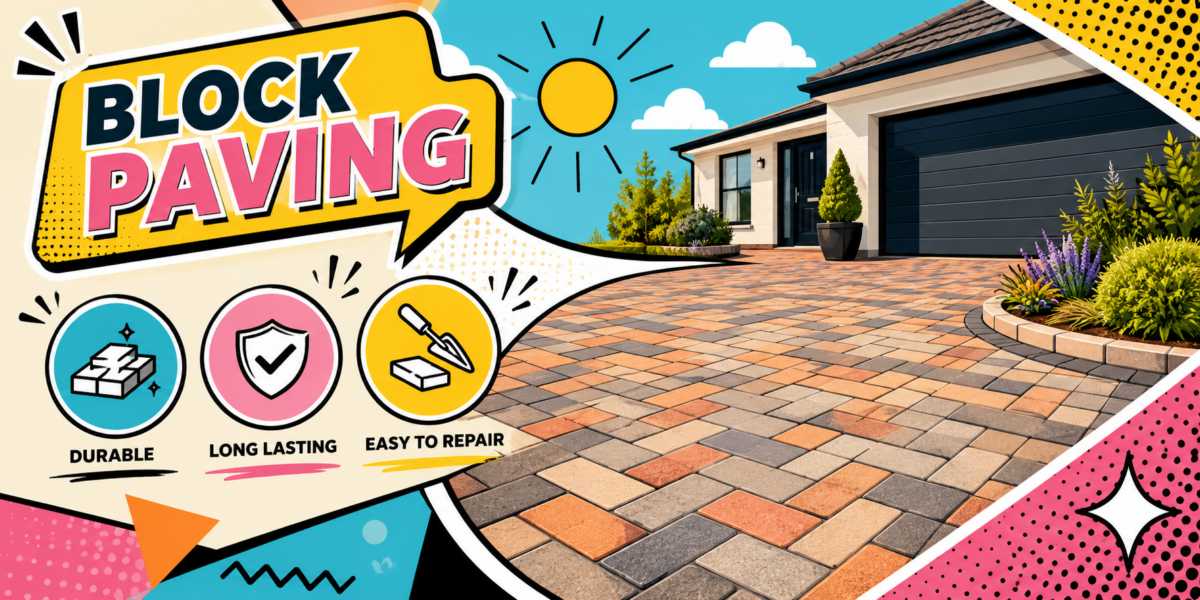 Block paving is still one of the most common driveway choices in Derby, and the reason is straightforward: when it's done properly, it looks good, lasts well, and individual blocks can be lifted and replaced if something needs access underneath - a cracked pipe, a root, whatever - without redoing the whole driveway. The first question in almost every conversation is cost, and the honest answer depends on more than just how big the area is.
What it typically costs
Tradesmart Driveways & Landscaping generally quotes block paving at £80-£150 per square metre installed. For a typical 30-40m² driveway, that puts most jobs between £2,400 and £6,000. The range is wide because groundwork and block choice both move the number considerably.Why it costs more than resin or tarmac
Block paving is labour-intensive. Each block is laid individually on a prepared sub-base of compacted stone and sand, then compacted again once it's down. That labour cost is fairly consistent regardless of block type - it's the blocks themselves that vary. Standard concrete sits at the lower end. Premium clay pavers cost more but hold their colour better over time, since concrete blocks can fade with UV exposure. Natural stone setts - granite or similar - sit at the top end and suit period properties where a more traditional look fits the building.What actually moves the price
The sub-base is often the biggest factor in a quote, and sometimes more important than block selection. Whether the existing driveway needs breaking out, how much preparation the ground below needs, and how deep the sub-base has to go - typically 100-150mm of compacted MOT Type 1 for a driveway that'll see regular car weight - all affect the final cost before a single block is laid. If drainage is poor underneath, that needs sorting too, since water trapped under block paving is one of the main reasons blocks settle unevenly over time.Pattern matters as well. A stretcher bond - straight, offset rows - is the quickest to lay. Herringbone at 45 or 90 degrees takes longer, particularly around edges where blocks need cutting to fit, but it handles vehicle weight better, which is why it's generally recommended for driveways over patios. Borders, contrasting edging, or a circular feature in the centre add labour on top of the base pattern.
On planning: any new impermeable surfacing over 5m² in a front garden generally needs to either use permeable paving or drain to a soakaway rather than the public drain. Permeable block paving systems exist specifically for this, and are worth raising at the quote stage if the driveway exceeds that size.
How long it lasts
A well-laid driveway on a properly prepared sub-base should last twenty to thirty years. Occasional re-sanding of the joints keeps it in good shape - the sand between blocks does wash out over time, especially with pressure washing. Weeds between blocks usually mean the joint sand needs topping up rather than anything more serious.FAQ
How much does block paving cost per square metre in Derby?
Typically £80-£150 installed, depending on the existing surface, groundwork needed, block type, and pattern.Why does block paving cost more than resin or tarmac?
It's more labour-intensive - each block is laid individually on a prepared sub-base. Material costs also vary significantly, from standard concrete to clay or natural stone.Do I need permeable paving for a new driveway?
If the new impermeable surface in a front garden exceeds 5m², planning rules generally require either permeable paving or drainage to a soakaway rather than the public drain.How long does a block paving driveway last?
Twenty to thirty years on a properly prepared sub-base, with occasional re-sanding of joints as routine maintenance.Article kindly provided by tradesmartdrivewaysandlandscaping.co.uk
Latest Articles
- Before You Hire a Handyman, Photograph the Problem Properly
- The Repair That Reveals Three More Repairs: How to Handle Scope Creep Calmly
- The 'While You're Here' List: Small Jobs That Are Worth Grouping Together
- The Previous Owner's Strange Decisions and How a Handyman Unpicks Them
- The Guest Test for Small Home Repairs
- How Long Should a Dishwasher Last, and When Is Repair the Better Choice?
- Why Is My Washing Machine Shaking So Much?
- Why a Door That Still Locks Can Still Be a Security Problem
- The One-Hour Home Audit: Small Defects That Quietly Become Expensive Repairs
- Can a House Be Too Well Insulated? Understanding the Other Half of Low-Energy Design
- Your Roof Needs to Breathe Too: The Link Between Ventilation, Condensation and Hidden Timber Damage
- Why Your Boiler Behaves Perfectly Until the Weather Turns Cold
- Why Roof Age Is Only Part of the Picture
- How HOA Boards Can Catch Pavement Problems Before They Get Expensive
- Why Vacuuming Alone Eventually Stops Making a Carpet Look Clean
- Designing a Garden That Still Works After the Sun Goes Down
- Why Your Boiler Sounds Different in Summer Than It Does in Winter
- Case Study: Patio Installation Costs in Newcastle
- Why Your Garden Could Be the Most Underrated Fitness Space You Own
- The Hidden Costs of Ignoring Tree Stumps After Felling
- Interior Design
- Home Improvement
- Gardening
- Home Organization
- Home Maintenance
- DIY Crafts
- Kitchen and Dining
- Bathroom Design
- Home Security
- Home Automation
- Green Living
- Home Office
- Home Decor
- Garden Design
- Pet Care
- Home Technology
- Landscaping
- Home Energy Efficiency
- Home Cleaning
- Home Safety
- Home Exterior
- Home Insulation
- Home Buying
- Home Selling
- Renting
- Tradespeople
- Garage
- Bedroom
- Painting and Decorating
- Plumbing and Drainage