
Choosing the Right Hot Water System for the Way You Actually Live
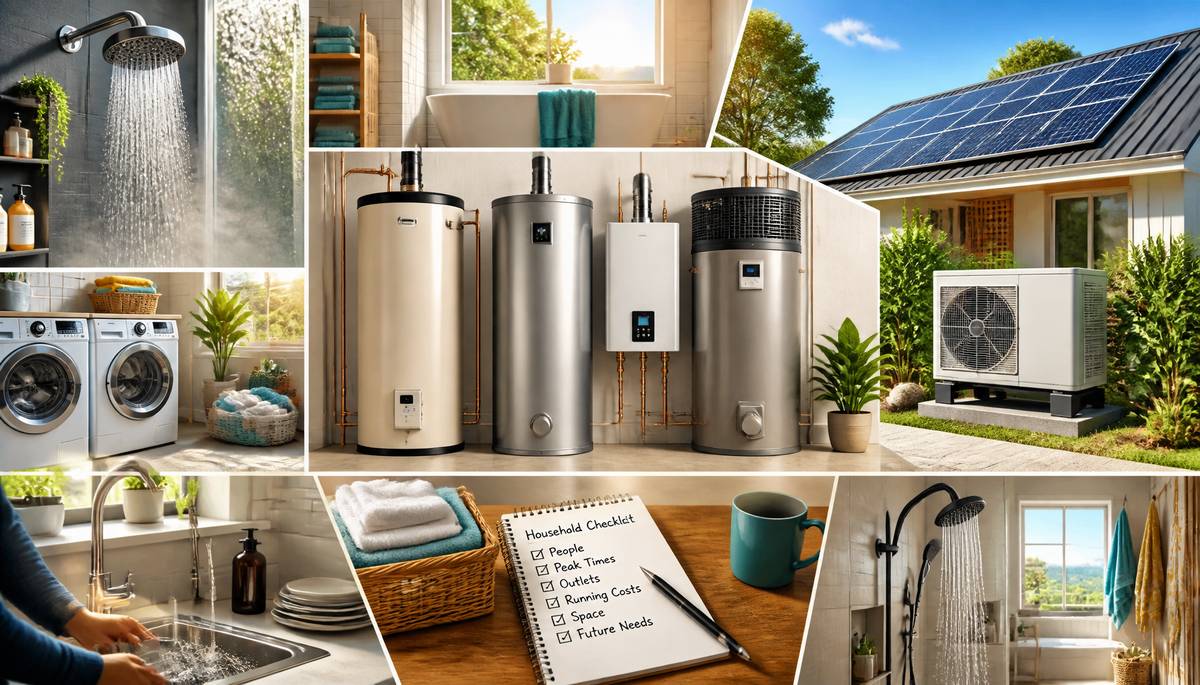 A hot shower can reveal more about your household than a family meeting ever could.
When the water runs cold halfway through rinsing shampoo, suddenly everyone's lifestyle choices are under review. Who showered too long? Who started the dishwasher? Why is someone washing towels at 7:30 in the morning like a chaos agent? Choosing the right hot water system is not just about buying the biggest, newest, shiniest unit available. It is about matching the system to how people actually live in the home.
Start With Your Household Habits
Before comparing systems, look at your daily routine. A single person in a small home has very different needs from a family of five where mornings resemble an airport departure lounge. The number of people matters, but so does timing. Five people showering across the day is one thing. Five people showering between 6:45 and 7:15 am is a plumbing stress test with towels.Think about shower length, laundry habits, dishwashing, baths, guests and whether appliances often run at the same time. A household with teenagers may need more recovery capacity than expected, because teenagers have been known to enter bathrooms and reappear sometime during the next financial quarter.
Storage Systems Suit Predictable Demand
Storage hot water systems heat water in a tank and keep it ready for use. They can be electric, gas, solar-assisted or heat pump based. Their main advantage is reliability during regular demand. If the tank is sized well, hot water is available when needed without much thought.The downside is that once the stored water runs out, you wait for the system to recover. Recovery time depends on the energy source, tank size and system design. A larger tank can help, but oversizing can increase running costs because more water is being heated and stored than the household really uses.
Storage systems often suit homes with steady routines and enough space for a tank. They are also straightforward for many households to understand. You use the hot water, the system reheats it, and everyone silently blames the person who had the longest shower.
Instantaneous Systems Are Good for Space and Efficiency
Instantaneous, or continuous flow, systems heat water only when required. They do not store a full tank of hot water, which can reduce standby energy loss. They are usually compact and can be a good option where space is limited.They work best when correctly sized for the number of outlets likely to be used at once. A small unit may handle one shower comfortably but struggle if someone also turns on the kitchen tap. This is where lifestyle matters more than brochure promises. A system that sounds efficient on paper may be frustrating if it cannot keep up with real household demand.
Running Costs Depend on More Than the Purchase Price
The cheapest system to buy is not always the least expensive to own. Energy prices, climate, maintenance requirements and daily usage all influence long-term costs. A slightly higher upfront investment may pay for itself over several years if it uses energy more efficiently.Heat pump systems, for example, generally use less electricity than conventional electric storage units because they transfer heat from the surrounding air instead of generating all of it directly. Their performance can vary depending on the local climate, but for many households they offer an attractive balance between efficiency and operating costs.
Gas systems can provide fast recovery and lower running costs in areas where gas prices are favourable. Electric systems remain popular because installation is often straightforward, although ongoing electricity costs may be higher depending on local tariffs. Solar-assisted systems can significantly reduce energy bills over time, particularly in sunny regions, but they usually require a larger initial investment and enough roof space to make practical sense.
Rather than focusing on advertising claims about efficiency, estimate how much hot water your household actually consumes in a typical week. A realistic picture often leads to a better financial decision than chasing the latest trend.
Future-Proofing Your Choice
Households rarely stay exactly the same. Children grow older, family members move in or out, work schedules change and home renovations sometimes introduce additional bathrooms or larger appliances. Choosing a system with a little capacity for future needs can be sensible, but there is no advantage in dramatically oversizing everything "just in case." Heating water that nobody uses is rather like paying for front-row concert tickets and then listening from the car park.Maintenance deserves consideration as well. Every hot water system benefits from regular inspections and servicing to help maximise efficiency and lifespan. Replacing worn components before they fail completely can also prevent unexpected cold showers, which tend to create very memorable mornings for all the wrong reasons.
If you are uncertain between two options, compare them using practical questions rather than technical jargon.
- How many people use hot water during peak times?
- Will multiple taps or showers often operate together?
- What are the expected running costs over several years?
- How much installation space is available?
- Could household needs change in the near future?
Heating Things Up the Right Way
Choosing a hot water system becomes much easier once daily habits take centre stage instead of glossy marketing promises. The ideal system is not necessarily the biggest, the newest or the one with the longest feature list. It is the one that quietly delivers enough hot water, keeps operating costs manageable and fits comfortably within both the home and the budget.A little planning before installation can prevent years of frustration afterwards. When the morning routine runs smoothly, nobody notices the hot water system at all. Oddly enough, that is probably the highest compliment it can receive.
Article kindly provided by aquafixplumbingwagga.com
Latest Articles
- Why Plumbing Problems Behave Differently in Older Tenement Buildings
- Is Your Bed Frame Making Your Mattress Work Harder?
- Before You Hire a Handyman, Photograph the Problem Properly
- The Repair That Reveals Three More Repairs: How to Handle Scope Creep Calmly
- The 'While You're Here' List: Small Jobs That Are Worth Grouping Together
- The Previous Owner's Strange Decisions and How a Handyman Unpicks Them
- The Guest Test for Small Home Repairs
- How Long Should a Dishwasher Last, and When Is Repair the Better Choice?
- Why Is My Washing Machine Shaking So Much?
- The Weight Test: What Your Wall Can Really Hold
- Why a Door That Still Locks Can Still Be a Security Problem
- The One-Hour Home Audit: Small Defects That Quietly Become Expensive Repairs
- Can a House Be Too Well Insulated? Understanding the Other Half of Low-Energy Design
- Your Roof Needs to Breathe Too: The Link Between Ventilation, Condensation and Hidden Timber Damage
- Why Your Boiler Behaves Perfectly Until the Weather Turns Cold
- Why Roof Age Is Only Part of the Picture
- How HOA Boards Can Catch Pavement Problems Before They Get Expensive
- Why Vacuuming Alone Eventually Stops Making a Carpet Look Clean
- Designing a Garden That Still Works After the Sun Goes Down
- Why Your Boiler Sounds Different in Summer Than It Does in Winter
- Interior Design
- Home Improvement
- Gardening
- Home Organization
- Home Maintenance
- DIY Crafts
- Kitchen and Dining
- Bathroom Design
- Home Security
- Home Automation
- Green Living
- Home Office
- Home Decor
- Garden Design
- Pet Care
- Home Technology
- Landscaping
- Home Energy Efficiency
- Home Cleaning
- Home Safety
- Home Exterior
- Home Insulation
- Home Buying
- Home Selling
- Renting
- Tradespeople
- Garage
- Bedroom
- Painting and Decorating
- Plumbing and Drainage