

Why Your Windows Could Be Costing You More Than Your Boiler
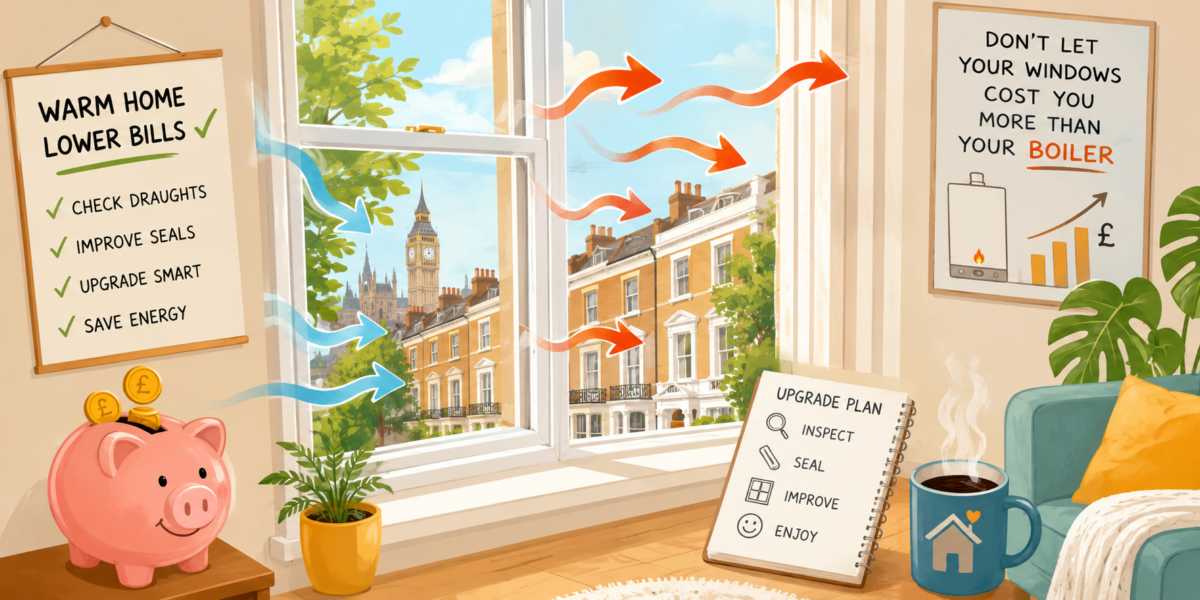 A surprising amount of winter comfort can vanish through a pane of glass before your boiler has even finished clearing its throat. Across London, homeowners often blame heating systems when energy bills climb, but many properties are quietly losing warmth through outdated windows. Victorian terraces, Edwardian semis, and modern flats all have their own weaknesses, and glass is often the polite-looking culprit sitting right in the wall.
Why Windows Deserve More Suspicion
Boilers are loud, expensive, and easy to accuse. Windows, on the other hand, just sit there looking innocent while allowing heat to slip away like a cat through a badly closed door. In older London homes, single glazing, worn timber frames, loose putty, and gaps around sashes can make rooms feel cold even when the heating is working hard.Heat loss through inefficient window installations happens in several ways. Warm air can escape through cracks and draughty frames. Cold surfaces can pull warmth from a room, making people feel chilly even when the thermostat says otherwise. Poor seals can also create uneven temperatures, so one corner of the room feels like a study and another feels like a bus stop in February.
Victorian Homes and the Draught Problem
Victorian properties are loved for their high ceilings, bay windows, decorative details, and ability to make curtains move when no one has opened anything. Many were built before modern insulation standards, and original sash windows can be especially vulnerable to air leakage. Their charm is real, but so is the draught that appears to have its own postcode.Serious assessment should begin with the basics. Check for rattling frames, visible gaps, cracked glazing putty, damaged timber, and cold air movement around the window edges. Condensation between panes, where double glazing already exists, may suggest failed sealed units. A candle or incense stick can reveal air movement, though common sense should be invited along as a responsible adult.
Edwardian Homes and Hidden Weaknesses
Edwardian homes often have larger windows and generous room proportions, which can increase heat loss if glazing and frames are inefficient. These properties may have had partial upgrades over the years, leaving a mixture of old and newer windows with uneven performance.Look for rooms that heat slowly, cool quickly, or feel uncomfortable near the glass. Uneven upgrades can create surprising results, such as one bedroom feeling snug while another behaves like it is auditioning for a weather report.
Leaks around frames, poorly fitted replacements, and ageing seals can all reduce efficiency. The goal is not simply to replace everything at once, but to identify where the worst losses are occurring.
Modern Homes Are Not Automatically Efficient
Newer London flats and houses can still suffer from window-related heat loss. Poor installation, low-quality seals, thermal bridging, and badly adjusted openings may all cause problems. A modern window that has been fitted badly can perform like an expensive hole with hinges.Check whether windows close firmly, whether trickle vents are damaged or permanently stuck open, and whether there are cold patches around reveals. In flats, persistent condensation may also point to ventilation issues rather than glazing alone, so it is worth looking at the whole room environment before choosing upgrades.
How to Prioritise Window Upgrades
Start with the rooms you use most and the windows that show obvious faults. Bedrooms, living rooms, and home offices usually deserve attention before spare rooms that mostly store mystery cables and one suitcase no one admits owning.- Seal obvious draughts before considering larger work.
- Repair damaged frames where the structure is still sound.
- Consider secondary glazing in period homes where full replacement may be restricted.
- Review curtains, shutters, and blinds as supporting measures, not complete solutions.
- Prioritise windows facing prevailing winds or shaded areas that stay cold longest.
A Pane in the Budget
Your boiler may be working hard, but inefficient windows can make it work harder than necessary. London homes, old and new, benefit from careful inspection before major spending decisions are made. By finding draughts, checking seals, reviewing room comfort, and prioritising the worst-performing areas, homeowners can reduce energy waste without rushing into unnecessary upgrades.A warmer home often begins with noticing what has been quietly letting the warmth escape. The window may not look dramatic, but neither does a small leak in a bucket until the floor is wet.
Latest Articles
- Why Unoccupied Properties Can Deteriorate Faster Than Occupied Ones
- Could That Beautiful Tree Be Quietly Damaging Your House?
- What Scotland's Relentless Rain Can Reveal About Your Home's Plumbing
- Window Privacy: Why Being Invisible During the Day Doesn't Mean You're Invisible at Night
- Why Plumbing Problems Behave Differently in Older Tenement Buildings
- Is Your Bed Frame Making Your Mattress Work Harder?
- Before You Hire a Handyman, Photograph the Problem Properly
- The Repair That Reveals Three More Repairs: How to Handle Scope Creep Calmly
- The 'While You're Here' List: Small Jobs That Are Worth Grouping Together
- The Previous Owner's Strange Decisions and How a Handyman Unpicks Them
- The Guest Test for Small Home Repairs
- How Long Should a Dishwasher Last, and When Is Repair the Better Choice?
- Why Is My Washing Machine Shaking So Much?
- The Weight Test: What Your Wall Can Really Hold
- Why a Door That Still Locks Can Still Be a Security Problem
- The One-Hour Home Audit: Small Defects That Quietly Become Expensive Repairs
- Can a House Be Too Well Insulated? Understanding the Other Half of Low-Energy Design
- Your Roof Needs to Breathe Too: The Link Between Ventilation, Condensation and Hidden Timber Damage
- Why Your Boiler Behaves Perfectly Until the Weather Turns Cold
- Why Roof Age Is Only Part of the Picture
- Interior Design
- Home Improvement
- Gardening
- Home Organization
- Home Maintenance
- DIY Crafts
- Kitchen and Dining
- Bathroom Design
- Home Security
- Home Automation
- Green Living
- Home Office
- Home Decor
- Garden Design
- Pet Care
- Home Technology
- Landscaping
- Home Energy Efficiency
- Home Cleaning
- Home Safety
- Home Exterior
- Home Insulation
- Home Buying
- Home Selling
- Renting
- Tradespeople
- Garage
- Bedroom
- Painting and Decorating
- Plumbing and Drainage