

Why Your Garden Could Be the Most Underrated Fitness Space You Own
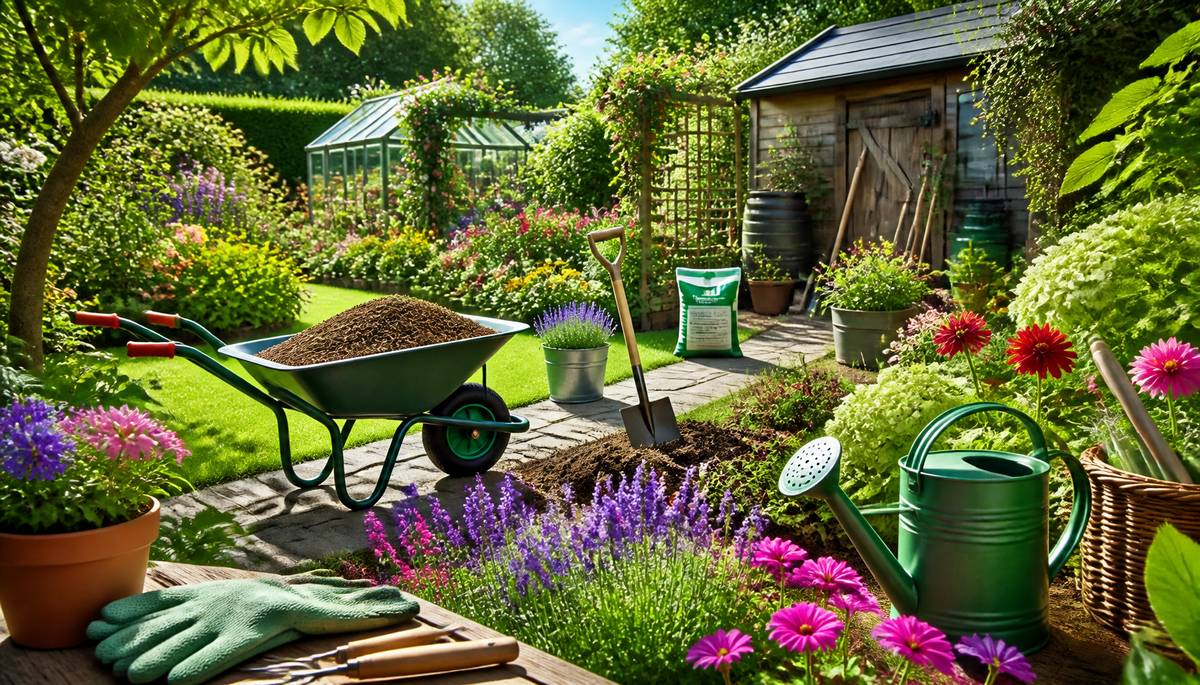 Fresh air has a funny way of distracting people from the fact they are exercising. One minute you're pulling a few weeds, and the next you're wondering why your arms feel like you've been helping someone move house. Many homeowners think of fitness as something that only happens inside a gym or on a running track, yet the garden quietly offers a surprising variety of physical challenges that work the body in natural ways.
Unlike repetitive exercise machines, gardening involves constantly changing movements. You bend, stretch, carry, lift, squat, twist, walk, and reach without performing the same motion for an hour straight. Every season presents different tasks, and every project introduces fresh demands that keep your body engaged while your mind stays focused on creating an outdoor space you can enjoy.
More Than Just Digging Holes
Many gardening jobs recruit multiple muscle groups at once. Digging into compact soil requires strength from your legs, back, shoulders, and arms. Pushing a wheelbarrow challenges balance and coordination while encouraging good posture if done correctly. Even spreading mulch or moving bags of compost becomes a practical resistance workout.Unlike lifting identical weights in perfect symmetry, outdoor work is wonderfully unpredictable. A stubborn tree root has no interest in your training schedule. A wheelbarrow filled with gravel seems to gain several mysterious kilograms halfway across the lawn. Nature has never been particularly interested in making things easy.
Landscaping projects often combine short bursts of heavier effort with lighter recovery tasks. This variation naturally raises and lowers your heart rate, creating an enjoyable mix of strength work and cardiovascular activity.
Building Strength Through Everyday Tasks
Garden maintenance encourages functional strength rather than isolated muscle development. Carrying watering cans, stacking paving stones, moving pots, or trimming hedges all improve the kind of strength that transfers directly into everyday life.These activities help develop:
- Leg strength through squatting and lifting.
- Shoulder stability while pruning or reaching overhead.
- Core muscles that support bending and carrying.
- Grip strength from using tools and handling materials.
- Balance while working on uneven ground.
Flexibility Hides in Plain Sight
One of the overlooked benefits of gardening is how frequently it encourages movement through different ranges of motion.Reaching into flower beds stretches the shoulders. Kneeling to plant seedlings encourages hip mobility. Standing back up repeatedly works flexibility alongside strength. Pruning shrubs requires careful reaching from different angles, while sweeping patios keeps the upper body moving through broad, controlled motions.
These varied positions can help maintain mobility that becomes increasingly valuable with age. The goal is not to force dramatic stretches but to keep joints moving comfortably throughout their normal range.
Paying attention to posture makes an enormous difference. Instead of bending entirely from the waist for prolonged periods, try bending the knees when possible and alternate between standing, kneeling, and sitting on a gardening stool. Your lower back will almost certainly approve of the arrangement.
Cardio Without Feeling Like Cardio
Many outdoor jobs gently elevate the heart rate without creating the mental barrier that often accompanies structured exercise.Raking leaves, mowing the lawn with a push mower, collecting branches, sweeping paths, and walking repeatedly between different parts of the garden all contribute to cardiovascular fitness. These steady activities encourage endurance while allowing you to work at your own pace.
Perhaps the greatest advantage is that attention naturally shifts toward completing the task instead of counting minutes or watching calories. Before long, you've spent an active morning outdoors and your garden has quietly become tidier at the same time.
There is also something deeply satisfying about stepping back to admire freshly planted borders or neatly trimmed hedges. Unlike many workouts, the results remain visible long after you've caught your breath.
Work Smarter Instead of Harder
Even the healthiest activity can become uncomfortable if good technique is ignored. Garden tasks often involve repetitive movements, awkward positions, and lifting objects that become surprisingly heavy after a rain shower. Taking a few sensible precautions helps reduce the chance of unnecessary aches while allowing you to enjoy the work for longer.Simple habits can make a noticeable difference:
- Warm up with a short walk and a few gentle stretches before tackling demanding jobs.
- Lift with your legs rather than rounding your back whenever moving bags, pots, or paving materials.
- Swap sides regularly when carrying watering cans or tools to avoid overloading one shoulder.
- Take regular breaks to hydrate, particularly during warm weather.
- Use long-handled tools where appropriate to reduce excessive bending.
- Break larger projects into manageable sessions instead of trying to complete everything in one afternoon.
Gardening Exercises the Mind Too
Physical health is only part of the picture. Spending time outdoors often encourages concentration, patience, and a welcome break from screens and constant notifications.Planning planting schemes, solving landscaping challenges, and watching seasonal changes unfold naturally engage the mind. Many people find that repetitive jobs such as weeding or trimming hedges create an opportunity to think clearly without the usual interruptions of modern life.
Unlike many indoor tasks, gardening also provides immediate visual feedback. Each completed job leaves the space looking cleaner, healthier, or more colourful. That sense of progress can be surprisingly motivating and often encourages people to return outside again rather than viewing maintenance as another item on an endless to-do list.
Fitness That Changes With the Seasons
One of the greatest strengths of gardening is that it rarely becomes repetitive across the year.Spring often brings planting, preparing beds, and spreading compost. Summer encourages mowing, watering, pruning, and hedge trimming. Autumn introduces leaf clearing and preparing plants for cooler weather, while winter becomes the perfect time for heavier landscaping projects, fence repairs, and planning improvements for the months ahead.
This seasonal variety naturally changes the type of physical activity your body performs. Some months focus more on endurance, while others involve greater lifting or digging. The result is a balanced pattern of movement that develops multiple aspects of fitness without requiring a complicated training programme.
Growing Strong One Garden at a Time
Looking after a garden offers far more than attractive borders and neatly cut lawns. Every spade lifted, shrub pruned, and path swept contributes to better strength, flexibility, balance, and cardiovascular health. While it may never replace every form of exercise, it can become an enjoyable part of a healthy lifestyle that feels productive instead of repetitive.There is something satisfying about finishing the day with cleaner flower beds, tired muscles, and the pleasant feeling that both you and your outdoor space are in better shape than when the morning began. Your garden may never hand out medals or play energetic music, but it has an impressive ability to keep you moving while quietly helping you grow a little stronger with every season.
Article kindly provided by peternguyenfitness.com
Latest Articles
- Why Unoccupied Properties Can Deteriorate Faster Than Occupied Ones
- Could That Beautiful Tree Be Quietly Damaging Your House?
- What Scotland's Relentless Rain Can Reveal About Your Home's Plumbing
- Window Privacy: Why Being Invisible During the Day Doesn't Mean You're Invisible at Night
- Why Plumbing Problems Behave Differently in Older Tenement Buildings
- Is Your Bed Frame Making Your Mattress Work Harder?
- Before You Hire a Handyman, Photograph the Problem Properly
- The Repair That Reveals Three More Repairs: How to Handle Scope Creep Calmly
- The 'While You're Here' List: Small Jobs That Are Worth Grouping Together
- The Previous Owner's Strange Decisions and How a Handyman Unpicks Them
- The Guest Test for Small Home Repairs
- How Long Should a Dishwasher Last, and When Is Repair the Better Choice?
- Why Is My Washing Machine Shaking So Much?
- The Weight Test: What Your Wall Can Really Hold
- Why a Door That Still Locks Can Still Be a Security Problem
- The One-Hour Home Audit: Small Defects That Quietly Become Expensive Repairs
- Can a House Be Too Well Insulated? Understanding the Other Half of Low-Energy Design
- Your Roof Needs to Breathe Too: The Link Between Ventilation, Condensation and Hidden Timber Damage
- Why Your Boiler Behaves Perfectly Until the Weather Turns Cold
- Why Roof Age Is Only Part of the Picture
- Interior Design
- Home Improvement
- Gardening
- Home Organization
- Home Maintenance
- DIY Crafts
- Kitchen and Dining
- Bathroom Design
- Home Security
- Home Automation
- Green Living
- Home Office
- Home Decor
- Garden Design
- Pet Care
- Home Technology
- Landscaping
- Home Energy Efficiency
- Home Cleaning
- Home Safety
- Home Exterior
- Home Insulation
- Home Buying
- Home Selling
- Renting
- Tradespeople
- Garage
- Bedroom
- Painting and Decorating
- Plumbing and Drainage