

Why Beautiful Homes Sometimes Feel Uncomfortable to Live In
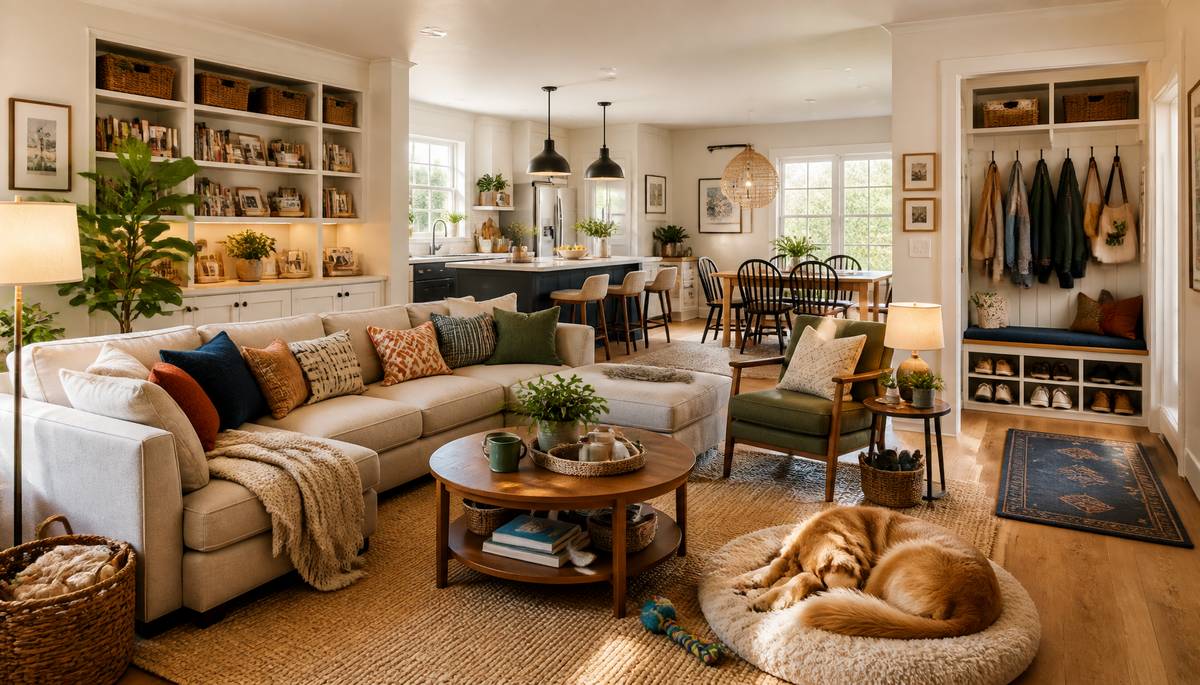 A chair can look like modern art and still feel like a punishment invented by someone who hates knees.
Beautiful homes are easy to admire in photographs. The light lands perfectly, the cushions sit at mathematical angles, and not one charging cable dares to show its face. But living in a home is different from looking at one. Real life involves shoes, snacks, pets, tired people, laundry, mugs, elbows, school bags, remote controls, and someone asking where the scissors are even though they were definitely in that drawer yesterday.
A home can be visually stunning and still quietly annoying. The problem is rarely beauty itself. The problem is beauty being allowed to overrule comfort, storage, movement, lighting, and routine.
When Good Looks Win Too Hard
Some interiors are designed as if nobody will ever sit down, cook dinner, watch television, spill tea, or enter the room carrying groceries. The sofa is elegant but shallow. The dining chairs are sleek but unforgiving. The coffee table is sculptural but positioned exactly where shins go to suffer.This is where homeowners often get caught. A showroom layout is not the same as a lived-in layout. A chair only needs to survive ten minutes in a showroom, but it needs to survive years of meals, conversations, laptop work, birthday cake, and Uncle Kevin leaning back too far after Christmas dinner.
Comfort should not be treated as the boring cousin of style. The best interiors make beauty useful. Seating needs proper depth and support. Tables need to be reachable. Rugs need to sit where people actually walk. Rooms should invite people in, not make them feel they have entered a silent museum where breathing too loudly might void the warranty.
Storage Is Not Optional
Minimalist rooms look calm because everything unnecessary has been removed. Unfortunately, most people own necessary things. Coats, shoes, paperwork, cleaning products, hobby equipment, toys, pet supplies, spare cables, medicines, bags, and seasonal items all need somewhere to go.When storage is not planned properly, clutter wins. It does not matter how tasteful the paint colour is if every surface becomes a temporary landing strip for daily life. Good storage is not just about having cupboards. It is about placing storage where habits already happen.
An entrance needs somewhere for shoes and coats. A living room needs places for remotes, blankets, books, and chargers. Bedrooms need storage that matches the amount of clothing people actually own, not the amount they wish they owned while feeling morally superior in January.
Lighting Changes Everything
Lighting is one of the easiest ways to make an attractive home feel surprisingly uncomfortable. A room filled with bright white ceiling lights may photograph well, but it can feel more like a waiting room than a place to unwind. On the other hand, relying on a single decorative lamp can leave people squinting at books, recipes, or the instructions for assembling furniture that confidently promised it would take just twenty minutes.Successful lighting layers different sources together. Ceiling lights provide general illumination, table lamps add warmth, floor lamps soften darker corners, and task lighting makes practical activities easier. Dimmer switches also allow one room to serve several purposes, from energetic family breakfasts to peaceful evenings with a film or a favourite novel.
Natural light deserves equal attention. Heavy furniture blocking windows or oversized curtains permanently drawn across glass can make even generous rooms feel smaller and less welcoming. Allowing daylight to travel through the home creates an atmosphere that expensive decorations alone cannot replicate.
Easy Movement Makes a Home Feel Better
Circulation is rarely the first thing people notice when they admire an interior, yet it has an enormous effect on everyday comfort. Good circulation simply means moving around the home without constantly squeezing past furniture, bumping into corners, or performing an awkward sideways shuffle worthy of an amateur crab.Walkways should remain clear, furniture should have sensible spacing, and doors should open freely without colliding with tables or cabinets. Small improvements in layout often have a bigger impact than replacing perfectly good furniture with something newer.
Think about the daily journeys people make. From the kitchen to the dining table. From the bedroom to the wardrobe. From the front door carrying shopping bags. Designing around these natural movements reduces frustration that slowly builds over months and years.
Design Around People, Not Pictures
Every household develops routines. Children leave school bags in predictable places. Adults charge phones beside favourite chairs. Pets establish unofficial sleeping spots that somehow become legally protected territory overnight. Rather than fighting these habits, successful interiors work alongside them.This may mean adding a bench near the entrance, incorporating hidden charging stations, creating flexible seating for guests, or choosing durable materials that cope with everyday use. These decisions may not dominate social media feeds, but they improve life every single day.
Homes should support the people living in them rather than asking those people to constantly protect the furniture from normal existence. A beautiful dining table should welcome family meals, not inspire quiet panic every time someone reaches for the tomato sauce.
Home Comforts Win Every Time
A memorable interior is rarely defined by expensive finishes alone. It succeeds because it feels easy to live in. Comfortable seating encourages longer conversations. Thoughtful storage keeps daily clutter under control. Balanced lighting changes the mood throughout the day, while sensible layouts make every room feel effortless to use.When style and practicality work together, a house becomes more than an attractive collection of rooms. It becomes a place where people naturally relax, gather, work, celebrate, and recharge without constantly adapting to the design itself. That is the kind of beauty that never goes out of fashion, and unlike the chair that looked magnificent but felt like sitting on a decorative brick, it keeps rewarding its owners long after the photographs have been taken.
Article kindly provided by aquariusinteriors.co.uk
Latest Articles
- Why Plumbing Problems Behave Differently in Older Tenement Buildings
- Is Your Bed Frame Making Your Mattress Work Harder?
- Before You Hire a Handyman, Photograph the Problem Properly
- The Repair That Reveals Three More Repairs: How to Handle Scope Creep Calmly
- The 'While You're Here' List: Small Jobs That Are Worth Grouping Together
- The Previous Owner's Strange Decisions and How a Handyman Unpicks Them
- The Guest Test for Small Home Repairs
- How Long Should a Dishwasher Last, and When Is Repair the Better Choice?
- Why Is My Washing Machine Shaking So Much?
- The Weight Test: What Your Wall Can Really Hold
- Why a Door That Still Locks Can Still Be a Security Problem
- The One-Hour Home Audit: Small Defects That Quietly Become Expensive Repairs
- Can a House Be Too Well Insulated? Understanding the Other Half of Low-Energy Design
- Your Roof Needs to Breathe Too: The Link Between Ventilation, Condensation and Hidden Timber Damage
- Why Your Boiler Behaves Perfectly Until the Weather Turns Cold
- Why Roof Age Is Only Part of the Picture
- How HOA Boards Can Catch Pavement Problems Before They Get Expensive
- Why Vacuuming Alone Eventually Stops Making a Carpet Look Clean
- Designing a Garden That Still Works After the Sun Goes Down
- Why Your Boiler Sounds Different in Summer Than It Does in Winter
- Interior Design
- Home Improvement
- Gardening
- Home Organization
- Home Maintenance
- DIY Crafts
- Kitchen and Dining
- Bathroom Design
- Home Security
- Home Automation
- Green Living
- Home Office
- Home Decor
- Garden Design
- Pet Care
- Home Technology
- Landscaping
- Home Energy Efficiency
- Home Cleaning
- Home Safety
- Home Exterior
- Home Insulation
- Home Buying
- Home Selling
- Renting
- Tradespeople
- Garage
- Bedroom
- Painting and Decorating
- Plumbing and Drainage