

Why the Most Memorable Rooms Usually Have One Thing That Feels Unexpected
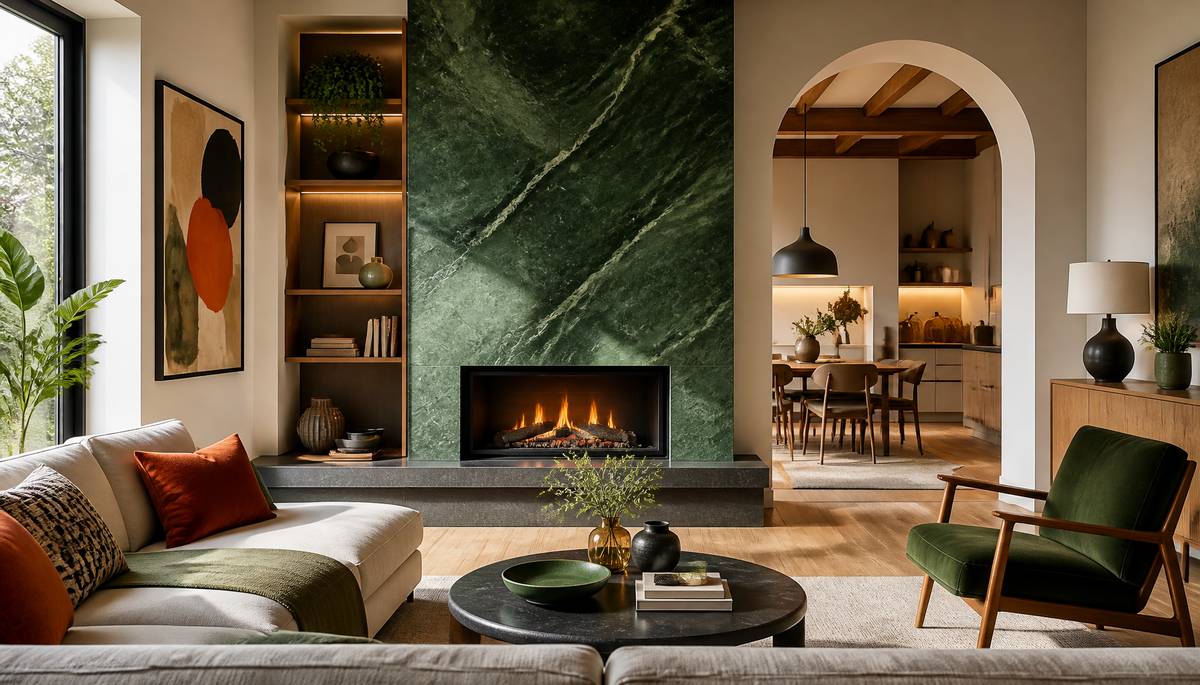 A room can be beautifully decorated and still vanish from memory faster than a biscuit near a builder's tea mug.
The spaces that linger tend to have one element that refuses to behave entirely as expected. It might be a vivid fireplace in an otherwise quiet sitting room, a sculptural staircase in a minimalist hallway, a ceiling painted a shade nobody saw coming, or a single antique cabinet sitting confidently among sleek modern furniture. The surprise does not need to shout. In fact, the best ones often speak in a calm voice while wearing excellent shoes.
Why Surprise Matters in Interior Design
Rooms become memorable when the eye has somewhere meaningful to land. Without a focal point, even an expensive interior can feel oddly flat, like a sentence with no verb. Everything may be tasteful, balanced, and technically correct, yet nothing asks to be remembered.An unexpected feature gives the room a small story. It creates a moment of curiosity. Why is that wall textured differently? Why does the kitchen island look like a piece of furniture? Why is there a dramatic archway where a standard doorway could have done the job with all the enthusiasm of a tax form?
That little pause is powerful. It makes people look twice, and looking twice is often where character begins.
Focal Points That Earn Attention
A focal point should feel intentional, not accidental. There is a fine line between "bold design choice" and "the delivery driver left a bronze giraffe in the lounge." The goal is to choose one feature that supports the room's mood while adding enough contrast to make it distinctive.Strong focal points can include:
- A fireplace with unusual stone, tile, or plasterwork
- A statement light fitting over a dining table
- A dramatic headboard in a restrained bedroom
- A curved wall, arch, or niche in a simple layout
- A large artwork that sets the emotional tone
Contrasting Materials Create Energy
Material contrast is one of the most reliable ways to introduce surprise without overwhelming a design. Smooth plaster beside rough brick, warm timber against cool concrete, brushed metal next to soft upholstery: these pairings give a room depth and tension.This is where serious design thinking matters. Contrast should feel connected to the purpose of the space. A family kitchen might use durable stone with warm wood to balance practicality and comfort. A reception area might combine polished surfaces with tactile seating to feel professional without becoming chilly. The unexpected element should add life, not confusion.
Architectural Details That Refuse to Blend In
Sometimes the most memorable feature is built into the structure itself rather than added later. A graceful arch, an oversized pivot door, an exposed beam, or a carefully positioned skylight can completely change how a room is experienced. These details become part of the architecture instead of simply decorating it.Because these features are permanent, they deserve careful planning. They should improve movement through the space, frame important views, or enhance natural light rather than exist purely for spectacle. When an architectural detail performs a practical role while also catching the eye, it earns its place every single day.
Even something as simple as an unusually deep window reveal can encourage someone to pause, sit, and enjoy the view. That is considerably more useful than installing a feature that leaves visitors asking whether it came with assembly instructions.
Colour Can Surprise Without Dominating
A bold colour does not have to cover every wall to make an impact. Sometimes the greatest effect comes from applying it in one carefully selected location. A richly coloured front door opening into a neutral hallway, a navy ceiling above an otherwise light dining room, or a splash of emerald inside shelving can introduce personality while preserving balance.Limiting strong colours allows them to remain special. When everything competes for attention, nothing truly succeeds. A restrained palette with one confident interruption often feels more sophisticated than a room filled with every fashionable shade available.
Colour also affects how people perceive proportions. Darker tones can make architectural features appear grounded, while lighter finishes can help open smaller areas. Used thoughtfully, an unexpected colour becomes part of the room's structure rather than merely its decoration.
Designing for Lasting Character
Trends appear and disappear with remarkable speed. One year everyone wants fluted panels everywhere; before long they can begin to feel as dated as yesterday's mobile phone ringtone. Memorable interiors usually avoid chasing every passing fashion. Instead, they rely on thoughtful composition, quality materials, and one distinctive feature that reflects the personality of the home or business.That unexpected element should have a reason for existing. Perhaps it celebrates the history of the building, highlights exceptional craftsmanship, introduces a favourite material, or simply creates a welcoming atmosphere. When the feature connects with the overall design, it feels timeless rather than attention-seeking.
A memorable room rarely depends on extravagant spending. Often, success comes from making one confident decision and allowing everything else to support it. Balance provides comfort, while surprise creates identity. Together they produce interiors that remain enjoyable long after the novelty of new furniture has faded.
Room for Thought
The interiors people remember most are seldom the busiest or the most expensive. They are the ones where a single unexpected detail quietly changes the entire experience of the space. Whether it is an architectural flourish, an unusual material, a carefully placed work of art, or a daring use of colour, that moment of surprise gives the room its own unmistakable voice. The rest of the design can then do what it does best: support the star without trying to steal the spotlight.Article kindly provided by homerenovationserviceslondon.co.uk
Latest Articles
- Is Your Bed Frame Making Your Mattress Work Harder?
- Before You Hire a Handyman, Photograph the Problem Properly
- The Repair That Reveals Three More Repairs: How to Handle Scope Creep Calmly
- The 'While You're Here' List: Small Jobs That Are Worth Grouping Together
- The Previous Owner's Strange Decisions and How a Handyman Unpicks Them
- The Guest Test for Small Home Repairs
- How Long Should a Dishwasher Last, and When Is Repair the Better Choice?
- Why Is My Washing Machine Shaking So Much?
- The Weight Test: What Your Wall Can Really Hold
- Why a Door That Still Locks Can Still Be a Security Problem
- The One-Hour Home Audit: Small Defects That Quietly Become Expensive Repairs
- Can a House Be Too Well Insulated? Understanding the Other Half of Low-Energy Design
- Your Roof Needs to Breathe Too: The Link Between Ventilation, Condensation and Hidden Timber Damage
- Why Your Boiler Behaves Perfectly Until the Weather Turns Cold
- Why Roof Age Is Only Part of the Picture
- How HOA Boards Can Catch Pavement Problems Before They Get Expensive
- Why Vacuuming Alone Eventually Stops Making a Carpet Look Clean
- Designing a Garden That Still Works After the Sun Goes Down
- Why Your Boiler Sounds Different in Summer Than It Does in Winter
- Case Study: Patio Installation Costs in Newcastle
- Interior Design
- Home Improvement
- Gardening
- Home Organization
- Home Maintenance
- DIY Crafts
- Kitchen and Dining
- Bathroom Design
- Home Security
- Home Automation
- Green Living
- Home Office
- Home Decor
- Garden Design
- Pet Care
- Home Technology
- Landscaping
- Home Energy Efficiency
- Home Cleaning
- Home Safety
- Home Exterior
- Home Insulation
- Home Buying
- Home Selling
- Renting
- Tradespeople
- Garage
- Bedroom
- Painting and Decorating
- Plumbing and Drainage