

Why Some Homes Always Feel Brighter Without Adding More Windows
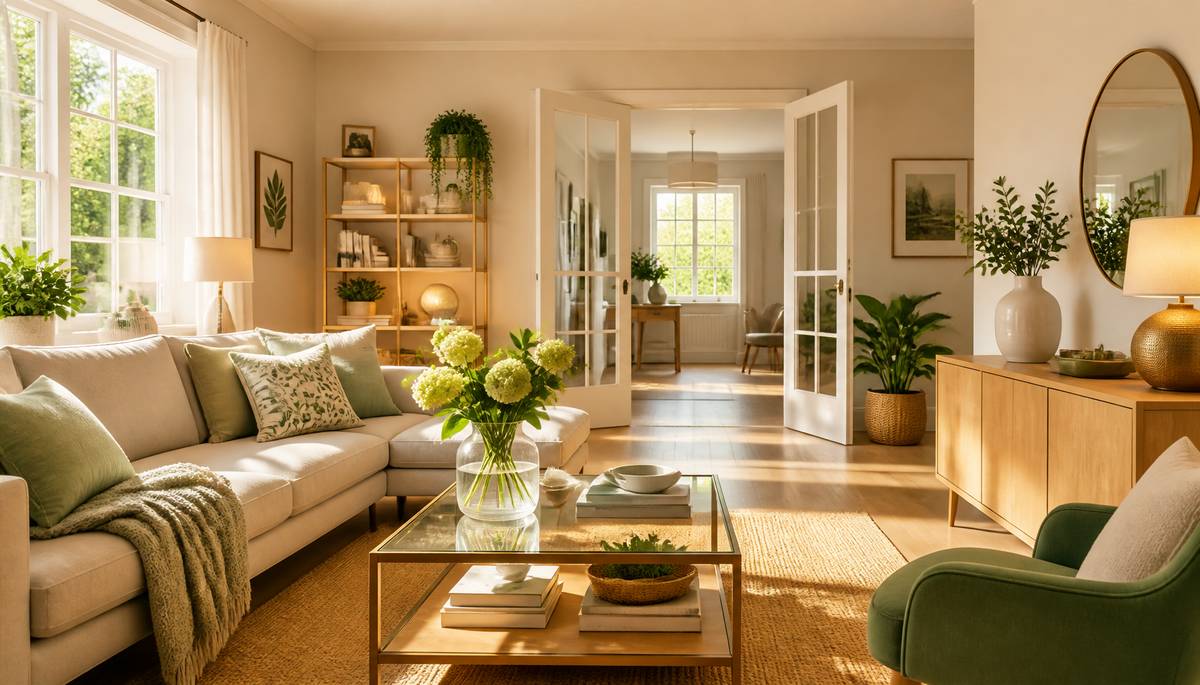 Some rooms behave as if they have personally fallen out with daylight.
You can have a perfectly decent window, a sunny afternoon, and still find yourself standing in a living room that feels like it was designed by a cautious mushroom. The good news is that brightness is not only about how much natural light enters a home. It is also about what happens to that light once it gets inside.
A brighter home often comes down to layout, colour, reflection, contrast, and the quiet removal of things that block light without looking guilty. You do not always need builders, scaffolding, or a dramatic hole in the wall. Sometimes, the biggest improvement comes from helping existing daylight travel further.
Let Light Move Through the Room
Natural light is surprisingly easy to bully. A bulky sofa, a tall cabinet, heavy curtains, or a badly placed bookcase can stop daylight from spreading across a room. Once blocked, it tends to give up and sit near the window looking disappointed.Start by looking at the path from each window into the room. Furniture should frame that path rather than obstruct it. Low-backed sofas, open shelving, slimmer sideboards, and glass-topped tables can all help light move more freely. Even shifting a large armchair away from a window can make a room feel less cramped and more awake.
This does not mean every room needs to look empty. A home should still feel lived in, not like someone is trying to sell a very expensive echo. The aim is balance. Keep the pieces you need, but avoid creating a furniture barricade between the window and the rest of the space.
Use Colour Without Turning Everything White
White walls are often treated as the automatic answer to dark rooms. They can work well, but only when the room has enough light for them to reflect. In a gloomy space, plain white can sometimes look flat, cold, or faintly like a waiting room where the magazines are all from 2017.Soft warm neutrals, pale stone shades, gentle creams, muted blush tones, light greys with warmth, and soft greens can make a room feel brighter without making it feel sterile. Ceilings should usually stay light, because they help bounce light back into the room. Skirting boards, doors, and trims can also help when painted in fresh, clean tones.
The finish matters too. Matt paint hides imperfections but absorbs more light. A soft sheen or eggshell finish on woodwork can add a subtle lift without making the walls shine like a gameshow floor.
Make Reflective Surfaces Work Harder
Mirrors are the obvious choice, but they need to be placed thoughtfully. A mirror opposite or adjacent to a window can bounce daylight deeper into the room. A mirror reflecting a dark hallway, however, simply doubles the gloom. Congratulations, you now have two gloomy hallways.Other reflective surfaces can help too. Consider light-toned flooring, glazed tiles, satin-finish furniture, metallic lamp bases, glass cabinet doors, and polished worktops. The goal is not to create a room where sunglasses are required indoors. It is to add small points of reflection that keep light moving.
Even artwork can contribute. Pale backgrounds, glass frames, and brighter subject matter can lift a wall more effectively than one large dark print that appears to be brooding quietly above the sofa.
Think Carefully About Internal Doors
Internal doors influence how daylight travels far more than many people realise. Leaving doors open between naturally bright rooms allows light to reach spaces that rarely see direct sunshine. If privacy is not an issue, this simple habit can make an immediate difference.For homes that need separation between rooms, glazed internal doors offer an excellent compromise. Frosted or partially glazed designs maintain privacy while still allowing daylight to filter through. This can be particularly effective in hallways, landings, and entrances that often depend entirely on artificial lighting during the day.
Even replacing a particularly dark or solid door with a lighter-coloured alternative can help reduce the feeling that one room is cut off from the rest of the house.
Layer Artificial Lighting Like Natural Light
A bright home should not depend entirely on the sun behaving itself. Thoughtful lighting creates the impression of natural brightness even after sunset or during dull winter afternoons.Instead of relying on a single ceiling fitting, combine several light sources around the room. Floor lamps, table lamps, wall lights, and discreet cabinet lighting all contribute to a softer, more even glow.
A practical approach includes:
- Using warm white bulbs that feel comfortable rather than harsh.
- Positioning lamps in darker corners instead of clustering them together.
- Adding dimmers where possible to adjust brightness throughout the day.
- Highlighting shelving, artwork, or alcoves to create depth.
- Replacing ageing bulbs before wondering why everything suddenly resembles late afternoon during a thunderstorm.
Choose Window Dressings That Welcome Daylight
Heavy curtains have their place, particularly during winter evenings, but they can quietly steal precious daylight even when fully open. Thick fabric stacked against the sides of a window still covers part of the glass, reducing the amount of light entering the room.Slimmer curtain poles, lighter fabrics, roller blinds, or well-fitted Roman blinds often expose more of the window during the day. Sheer curtains can soften direct sunlight without blocking it entirely, allowing rooms to remain bright while reducing glare.
Keeping windows clean also deserves an honourable mention. It is not the most glamorous improvement, but surprisingly dirty glass can noticeably reduce natural light. Fortunately, windows rarely complain when given a good wash.
Bright Ideas Shine Through
Creating a brighter home is rarely about one dramatic change. More often, it comes from a collection of thoughtful decisions that work together. Rearranging furniture, selecting lighter finishes, improving lighting, introducing reflective surfaces, and allowing daylight to travel naturally can transform how a room feels without altering its structure.Perhaps the greatest advantage is that many of these improvements are affordable and can be tackled gradually. One small adjustment encourages another, and before long the home feels fresher, more welcoming, and noticeably more spacious. When light is given the freedom to wander instead of being stopped at every opportunity, even familiar rooms can reveal a side that has been hiding in plain sight all along.
Article kindly provided by allwellpropertyservices.co.uk
Latest Articles
- Why Plumbing Problems Behave Differently in Older Tenement Buildings
- Is Your Bed Frame Making Your Mattress Work Harder?
- Before You Hire a Handyman, Photograph the Problem Properly
- The Repair That Reveals Three More Repairs: How to Handle Scope Creep Calmly
- The 'While You're Here' List: Small Jobs That Are Worth Grouping Together
- The Previous Owner's Strange Decisions and How a Handyman Unpicks Them
- The Guest Test for Small Home Repairs
- How Long Should a Dishwasher Last, and When Is Repair the Better Choice?
- Why Is My Washing Machine Shaking So Much?
- The Weight Test: What Your Wall Can Really Hold
- Why a Door That Still Locks Can Still Be a Security Problem
- The One-Hour Home Audit: Small Defects That Quietly Become Expensive Repairs
- Can a House Be Too Well Insulated? Understanding the Other Half of Low-Energy Design
- Your Roof Needs to Breathe Too: The Link Between Ventilation, Condensation and Hidden Timber Damage
- Why Your Boiler Behaves Perfectly Until the Weather Turns Cold
- Why Roof Age Is Only Part of the Picture
- How HOA Boards Can Catch Pavement Problems Before They Get Expensive
- Why Vacuuming Alone Eventually Stops Making a Carpet Look Clean
- Designing a Garden That Still Works After the Sun Goes Down
- Why Your Boiler Sounds Different in Summer Than It Does in Winter
- Interior Design
- Home Improvement
- Gardening
- Home Organization
- Home Maintenance
- DIY Crafts
- Kitchen and Dining
- Bathroom Design
- Home Security
- Home Automation
- Green Living
- Home Office
- Home Decor
- Garden Design
- Pet Care
- Home Technology
- Landscaping
- Home Energy Efficiency
- Home Cleaning
- Home Safety
- Home Exterior
- Home Insulation
- Home Buying
- Home Selling
- Renting
- Tradespeople
- Garage
- Bedroom
- Painting and Decorating
- Plumbing and Drainage